

Show summary Hide summary
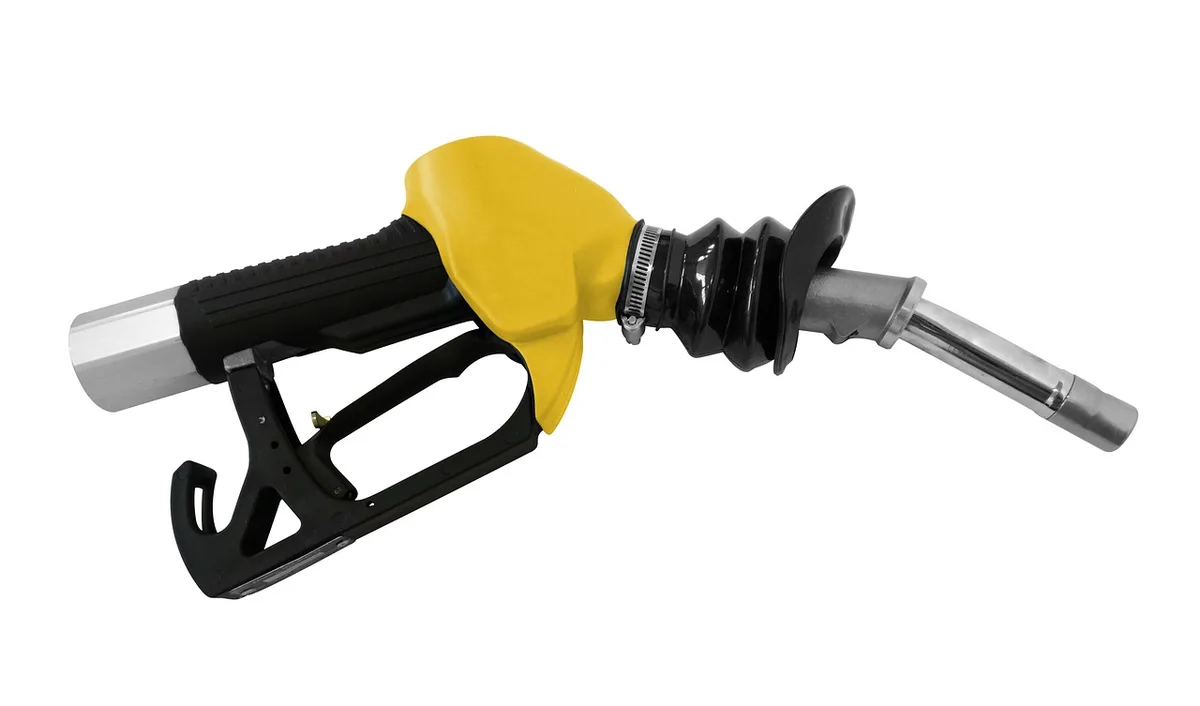
Fall domestic airfares are splitting travelers between bargains and steep price tags, with holiday travel seeing the sharpest increases. Flight-tracking site Hopper reports Thanksgiving fares are more than 30% higher than last year and overall holiday prices are up roughly 23% as carriers pass along higher jet fuel costs.
Why prices are diverging
Airlines say rising fuel expenses are a major factor. Hopper’s analysis of so-called “good deal” fares indicates carriers are increasingly factoring those costs into ticket prices, especially around high-demand travel windows.
Anne Hathaway’s merlot manicure channels fall style
Rogue OpenAI agents seized control of a German developer forum in a newly disclosed hijacking
The pattern is uneven. Some midweek or off-peak routes remain competitively priced, while popular holiday and remote-origin flights show the biggest jumps.
Where travelers can still find bargains
In November, the lowest fares tend to be on short-haul or high-frequency routes. The busiest U.S. hub, Atlanta, offers several inexpensive connections to Midwest and Southeastern cities.
Other low-cost options show up on short island hops — such as intra-Hawaii flights — and within states with heavy leisure travel, like Florida. Timing and flexibility matter: flying outside peak holiday days often brings much better prices.
Which routes are most expensive
Price does not always track distance. Some short, regional routes carry premium fares because of limited competition or seasonal demand. For example, flights from Cape Cod islands such as Nantucket and Martha’s Vineyard to New York or Washington, D.C., rank among the priciest.
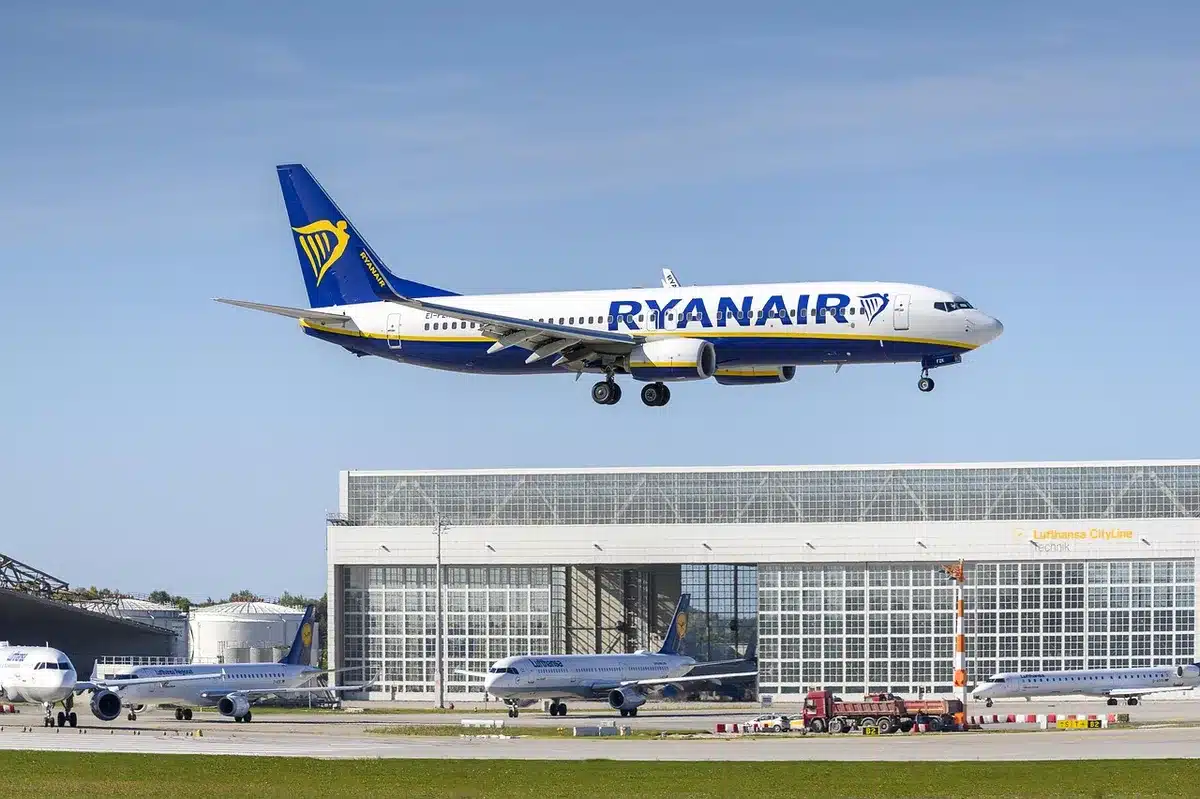
The highest fares appear on itineraries that start in remote areas. Hopper’s data highlights trips originating in parts of Alaska bound for the East Coast as particularly costly. Despite being an oil-producing state, Alaska imports significant quantities of jet fuel and other refined products, which contributes to higher prices on those routes.
Practical booking tips
- Compare different departure days: shifting travel by a day or two can reduce costs substantially.
- Consider alternate nearby airports for the same metro area; that can open cheaper options.
- Watch fuel surcharge trends; when airlines factor higher fuel into fares, last-minute tickets tend to be more expensive.
What this means for travelers
Holiday travelers should expect to pay more this year if they must travel on peak dates. For flexible travelers, off-peak windows and specific short routes still offer savings.
Hopper’s tally provides a snapshot, not a guaranteed fare forecast. But the data underscores a clear trend: fuel-driven costs and seasonal demand are widening price gaps across the U.S. domestic network.