Show summary Hide summary
Independent auto shops across the U.S. say advancing vehicle technology is driving up their operating costs — expenses mechanics increasingly pass on to customers. Owners and industry experts warn that new computers, subscription software and expensive calibration tools are reshaping routine repairs and raising bills at the counter.
Smaller shops feeling the squeeze
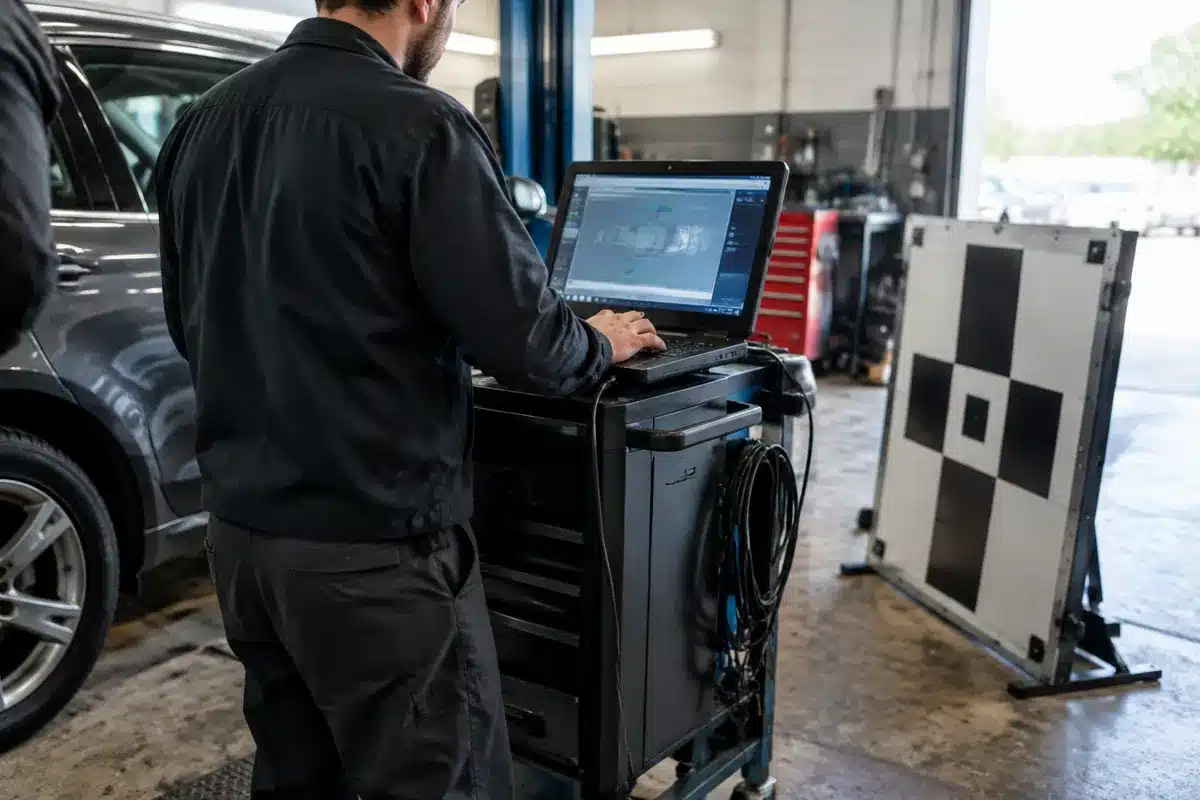
At Emil’s All-Tire in Brooklyn, owner Ralph Czeisler says staying current with carmakers' diagnostic systems has become a recurring, costly task. “Every year, I update all my computers,” he said, noting he maintains separate machines for domestic, Asian and European brands. “It’s very costly.”
Practical steps to change what Claude remembers
How the College Football Playoff reached 24 teams and reshaped the bracket

Greg Brannon, director of automotive engineering at AAA, described a similar trend nationwide: many modern repairs require a laptop and access to manufacturer software. In some cases, shops must use a device dedicated to a single brand and buy time-limited access to technical data and service functions.
How tech drives up repair bills
Broad economic data shows repair prices climbing faster than general inflation. The St. Louis Federal Reserve reports that overall vehicle repair costs rose about 60% between January 2019 and August 2026, compared with roughly a 32% increase in overall consumer prices over the same span. The data do not isolate causes, but research points to vehicle technology as a contributor.
A 2023 AAA study found that recalibrating advanced driver-assistance systems — commonly called ADAS — can increase the cost of a collision repair by roughly 37.6%. What used to be a straightforward part replacement can now require precise electronic work.
Take a cracked windshield: beyond swapping glass, technicians often must recalibrate the camera and sensors mounted behind it, which support features such as lane keep assist and automatic emergency braking.
High-priced equipment and recurring fees
Shops point to steep equipment prices. An invoice provided by Emil’s All-Tire shows a single calibration unit priced at about $28,000, with the accompanying computer another $12,000. A full setup can approach $90,000, according to the shop. Specialized target boards used for certain cameras and brands add further cost — from several hundred to thousands of dollars for premium vehicles.

Ariella Czeisler, who works at the family shop, framed the stakes plainly: if a camera or sensor is not properly calibrated, safety systems can misbehave. “The car can brake unexpectedly and cause an incident,” she said. The potential liability helps explain why shops invest in expensive calibration tools.
The “right to repair” and access to data
As cars have absorbed more software and sensors, supporters of a broader right to repair argue independent businesses and consumers should have fair access to the parts, tools and technical information needed for repairs. Lawmakers at state and federal levels have introduced measures reflecting that idea with mixed results.
Since 2014, industry trade groups representing automakers and independent repairers reached agreements intended to make service information and parts more accessible. Brannon said that, in general, the necessary information is available to both dealer and independent shops, though he acknowledged exceptions and said many complaints focus on the cost and complexity of obtaining data.
Practical friction at the counter
For many independents, the core issue is not only access but cost and administrative hassle. Czeisler described everyday examples where software access is billed separately. During a routine oil change, he said, technicians may need to connect to a manufacturer’s system just to reset the maintenance indicator.
He gave one concrete example: on a luxury vehicle with a typical oil-change price of about $400, purchasing the software access to reset the indicator can add roughly $75. “You can’t just go and reset it,” he said. The shop must pay for downloads and data to perform the reset — expenses that ultimately affect the final price the customer pays.