Show summary Hide summary
I spent tens of thousands of dollars on a single day and learned a blunt lesson: a wedding can be flawlessly staged yet still fail to feel joyful. The celebration often becomes a show for guests, with the couple asked to perform rather than savor the moment.
A chaotic beginning
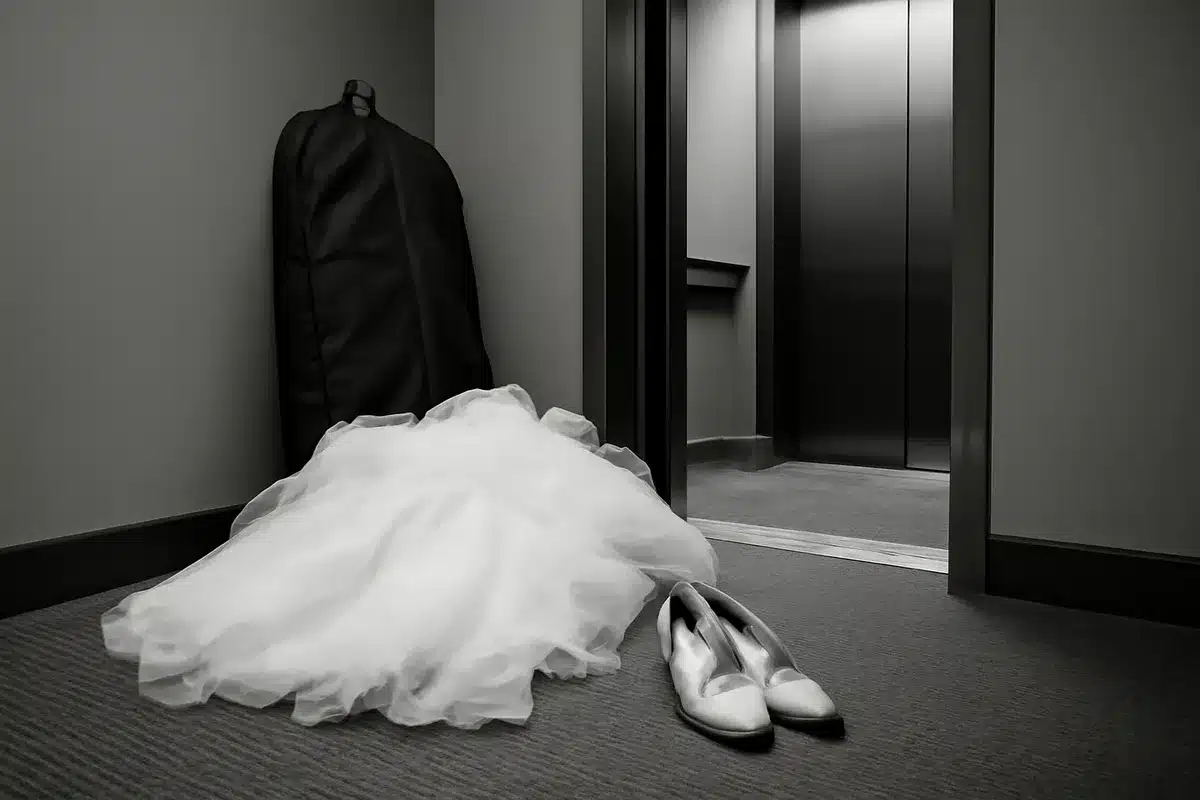
On the morning of the wedding, my friend Rease fussed with the layers of my lace gown in our penthouse suite while I tried to keep my composure. We packed the dress into the elevator and paused on several floors, doors opening to reveal curious tourists who smiled and waved congratulatory greetings.
Apple’s iTunes remains, but it’s now in a different form
Week 2 fantasy QBs: Who to start and who to bench
Expecting a black SUV, we instead climbed into a silver minivan — a Toyota Sienna driven by a man named Richard. He apologized when my door swung open as he pulled into traffic. Later I noticed a Post-it stuck to his dashboard listing past errors, including one that read, “didn’t close door.”
We made it to the venue, breathless and rattled. But those first frantic minutes set the tone for a day that would keep demanding my attention instead of my enjoyment.
The mechanics of ceremony
At the Picnic House, vendors orbited me like clockwork. The planner stationed me in the center of the room; musicians checked microphones, the baker displayed cake toppers and the florist handed over my bouquet. My veil was pinned in place. I tried to obey every instruction so the show would proceed without a hitch.
Photographers shouted directions for the “first look.” I was told to put my hand on Jesse’s shoulder and wait for him to turn. It’s a posed moment many have seen online: tearful recognition, romantic stillness. For me it felt mechanical — heavy makeup, hot, impatient.
Performance over pleasure
There is an unwritten curriculum around weddings: invest heavily, hire professionals, follow rituals, and present yourself flawlessly. Guests expect a spectacle. The couple’s role, I discovered, is largely to smile, pose and host.
The DJ cued classics and nostalgia — my mother and her sisters kicked off their modest heels and danced as if let loose from constraints. Later, we found ourselves awkwardly navigating the dance floor to a mash-up of eras. During a set that included “Sexy Back,” a small clasp that had been keeping my dress secured popped free with a clink.
At another time I might have panicked. Instead I laughed. By then the priority had shifted: keep the night moving for everyone else.
Payoffs and regrets
By the after-party my feet were screaming. The numbing spray that got me through cocktail hour had begun to fade. My dress, tailored to perfection, left no room to breathe. Greeting friends in an IPA-scented bar felt more like duty than delight. I asked if we could leave early. The answer was yes — and we did.

On the honeymoon, a thought kept returning: the cash we spent on one day could have funded the trip many times over. Weddings serve many purposes, and often one of them is conformity — doing what you’re “supposed” to do. I wish someone had walked me through alternatives and trade-offs before we booked vendors and signed contracts.
Small, human endings
Despite the stress and the little disasters, the day still reflected something true about our relationship. When I faltered, Jesse steadied me. When I wanted to go home, he took my hand.
Back at the hotel he helped wash the dirt off my feet from a desperate, shoeless attempt to get air. After a full day of striving to look like a bride, I finally relaxed into being a wife. It arrived quietly, not as a dramatic crescendo but as a small, steady shift.