Show summary Hide summary
New analysis of plant fossils trapped in Myanmar amber suggests Southeast Asia’s tropical forests trace back to a tiny piece of crust that split from northwestern Australia about 150 million years ago. The research argues that this fragment — the West Burma Block — carried a diverse set of plants across the Tethys Ocean and effectively seeded the region’s modern rainforests.
A drifting microplate that carried a rainforest
When the West Burma Block broke away, Australia remained joined to Antarctica and India as part of the ancient supercontinent Gondwana. Separated from Laurasia by the Tethys Ocean, the microplate moved northward, spending millions of years in hot, humid equatorial conditions that allowed plants to survive and diversify in isolation.
Alexa Home Map provides a visual dashboard to manage smart home devices
Evaluating Fernando Mendoza and Carson Beck after their debut starts
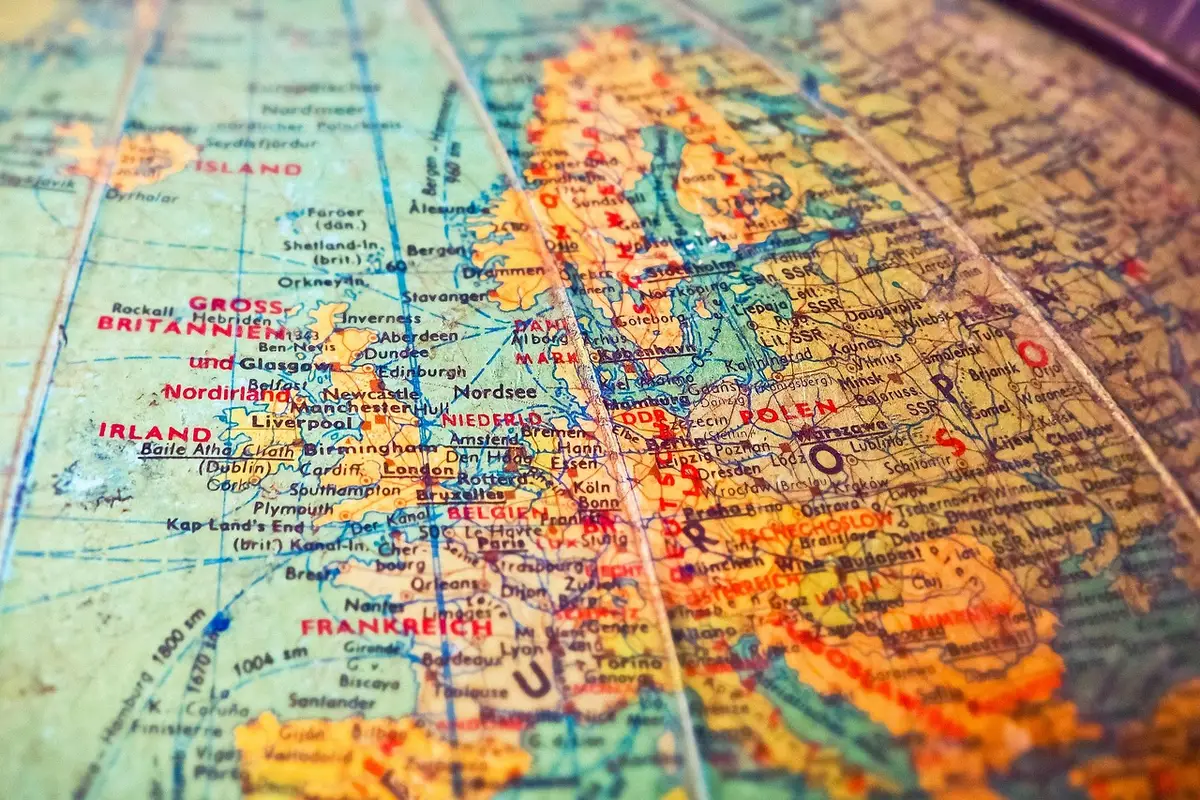
According to the study, the block drifted for around 100 million years before beginning to collide with Southeast Asia roughly 50 million years ago. That long transit turned the fragment into a mobile refuge where ancient lineages could persist and later expand into the mainland.
What the amber reveals
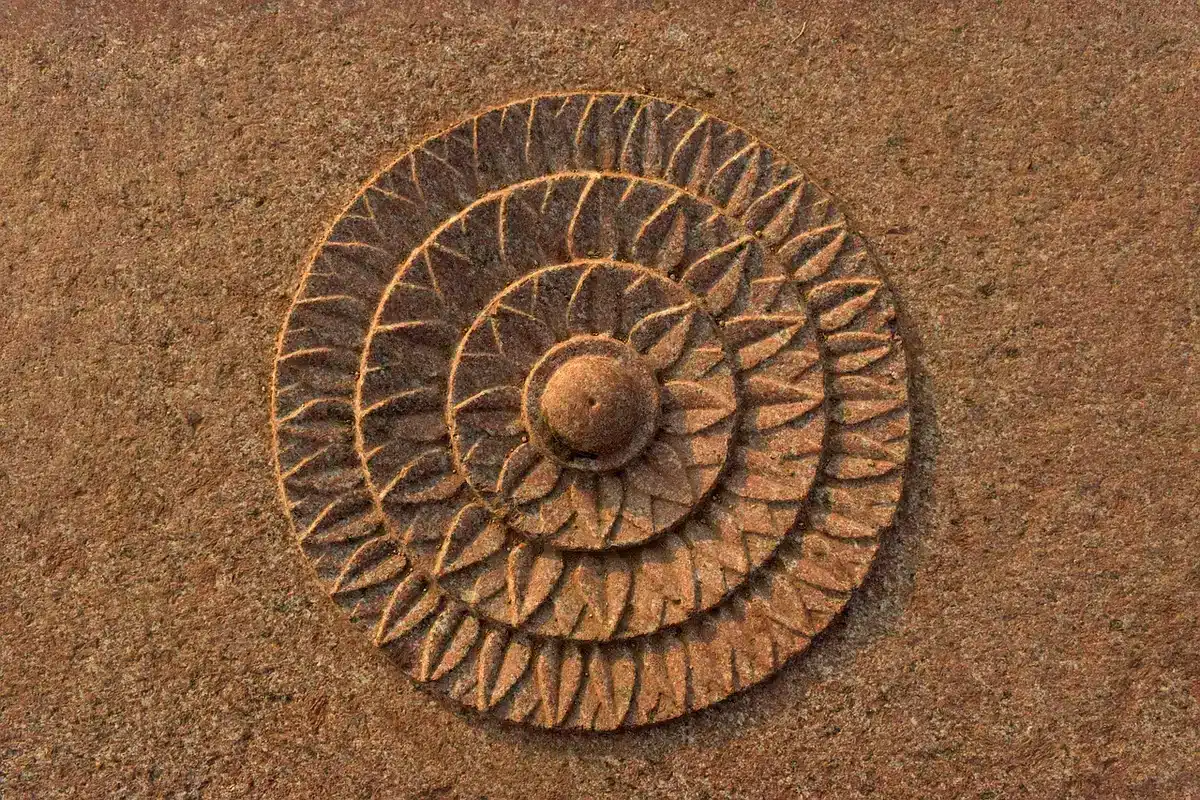
Researchers examined more than 3,000 plant specimens preserved in Myanmar amber and dated to about 100 million years ago. The material includes flowers, leaves, fruits and seeds, representing at least 392 types of flowering plants, along with conifers, ferns, mosses, cycads and liverworts.
Many of the amber pieces came from mines on the northern edge of the West Burma Block and have been studied over the past decade. The fossils offer three-dimensional, well-preserved evidence that a rich, Gondwana-derived flora existed on the microplate long before its final accretion to Southeast Asia.
Collisions that reshaped continents and ecosystems
The Indian subcontinent was also moving north at the time, advancing at an estimated rate of about 10 centimeters (4 inches) per year. Around 80 million years ago, the Indian Plate struck the West Burma Block and altered its orientation. Continued pressure from India eventually drove both plates into Asia.
As the Indian Plate subducted beneath Eurasia and helped build the Himalayas, the West Burma Block came to rest west of present-day Myanmar. The block’s arrival and subsequent tectonic interactions carved a deep valley between mountain ranges roughly 35 million years ago, setting the stage for the region’s later environmental development.
What the study does — and does not — show
The paper, published Oct. 27 in Nature Ecology & Evolution, challenges earlier ideas that Southeast Asia’s tropical flora formed only after the end-Cretaceous extinction about 66 million years ago or that the fragment originated nearby. Instead, the fossil evidence points to a southern, Gondwanan source for much of the region’s plant diversity.
The amber record, however, reflects a bias toward small organisms. As study co-author Byron Lamont noted, “The animals present in the amber are small insects, such as ants and mosquitoes. Typical Australian vertebrates, such as marsupials, emus and nectar-feeding birds, arrived from South America in Australia over 100 million years later [after the WBB split off], and of course they would not have got caught in the resin even if they had been around.”
Broader significance
By tracing a direct physical link between Gondwana and modern Southeast Asian forests, the research reframes the deep-time origins of one of the world’s most biodiverse regions. As the authors argue, much of the tropical rainforest flora of the area appears to be inherited from southern landmasses rather than having evolved locally after the age of dinosaurs.