
Show summary Hide summary
A team of archaeologists says chemical traces in human hair and thousands of plant seeds found in a burial mound in southern Siberia show people were using cannabis for its psychoactive effects about 2,800 years ago. The discovery, described in Science, offers the earliest direct evidence that marijuana played a role in complex Scythian funerary rites.
What researchers found at Tunnug
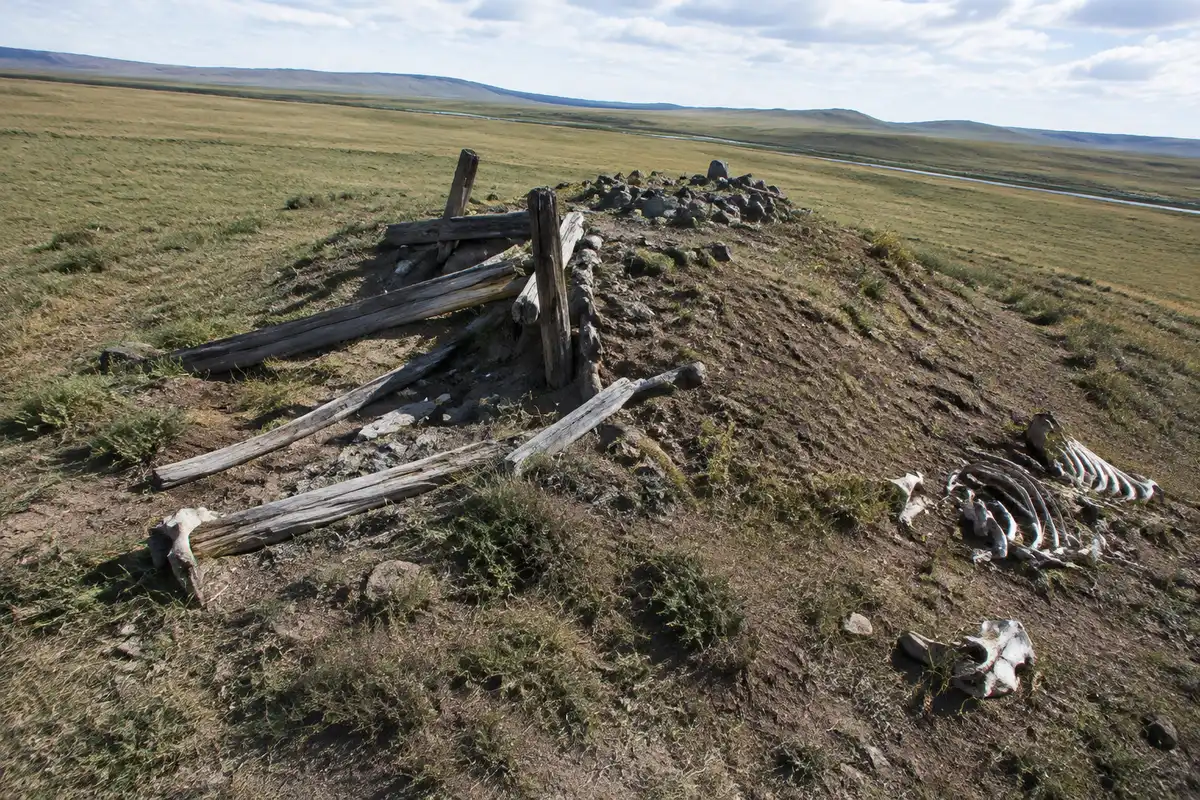
Excavations at the Tunnug site in the Uyuk valley uncovered a monumental “royal mound” with multiple wooden burial constructions. On top of these structures lay horse skeletons arranged in what researchers identify as a spectral cavalcade, a Scythian tradition that involved large-scale animal—and likely human—sacrifices.
Reddit rolls out For You feed to deliver personalized recommendations
After Fernando Mendoza’s debut, doubts emerge over the Raiders’ plan
Inside the log coffins and adjacent deposits, archaeologists recovered more than 1,000 intact cannabis seeds and roughly 500 fragments. Radiocarbon dating placed the material between about 800 and 760 B.C., making the assemblage roughly 2,800 years old.
Chemical traces point to intoxication
Alongside the seeds, teams retrieved human hair samples. Laboratory analysis detected molecular signals consistent with cannabinol and THC, the psychoactive compounds associated with cannabis. The tests, however, could not quantify how much of the drug was consumed or whether the substances were inhaled, ingested or applied in another form.

The authors conclude the co-occurrence of seeds and cannabinoid residues within the same burial context supports the interpretation that cannabis was used for its intoxicating properties during funerary events.
How this fits into the wider record
Cannabis has long been linked to Central and East Asia. The plant was cultivated millennia ago for fibers and oilseeds, and classical sources such as Herodotus describe Scythians inhaling fumes from burning hemp seeds. Archaeological traces of ancient cannabis use have also been found at sites in China dating to around 500 B.C.
This new evidence from Tunnug pushes the securely dated archaeological record of psychoactive cannabis use back by about three centuries, the study’s authors write. They suggest the plant may have had a functional role in rituals that involved controlling or calming people prepared for sacrifice.
Author comments and next steps
Gino Caspari, the study’s lead author and an archaeologist at the Max Planck Institute of Geoanthropology, said the molecular and botanical evidence coming from the same grave supports a ritual use of cannabis. He and his colleagues note the tomb’s elaborate sacrifices and political status make such a purpose plausible.
Researchers plan further analyses of the plant remains. Sequencing the samples could clarify the plant’s relationship to domesticated varieties and shed light on the history of cannabis cultivation and spread across Eurasia.
Publication details
The findings appear in a paper published on Nov. 5, 2026, in the journal Science, by Caspari and colleagues. The study provides direct archaeological and biochemical data that broaden understanding of how psychoactive plants figured in ancient ceremonial life.