
Show summary Hide summary
A previously hidden Etruscan tomb of exceptional size and wealth has been uncovered at Vulci, a major ancient center north of Rome. Excavators say the burial, dating to the seventh century B.C., still held a broad array of grave goods despite evidence of repeated ancient looting.
The discovery
Archaeologists with the Return to Vulci project announced this summer that they located a large underground burial within a tumulus first mapped in 1889. The finding follows a translated statement from the Italian Superintendency of Archaeology, Fine Arts and Landscape for the Province of Viterbo and Southern Etruria (SABAP-VT-EM).
Ultra-thin women smoking cigarettes are making a comeback as a fashion trend
Windows Memory Diagnostic explained: what the test does and how to read results
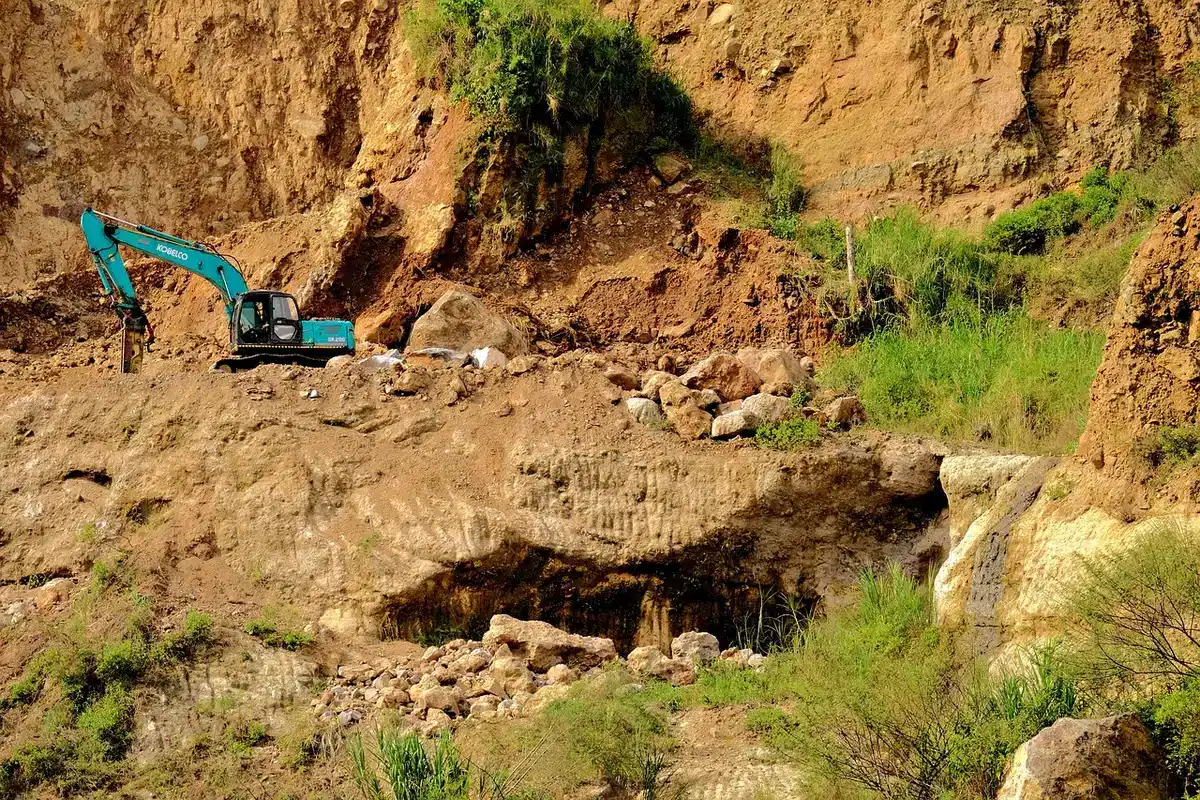
French archaeologist Stéphane Gsell had identified the circular mound on the cemetery in the late 19th century, but he stopped short of fully excavating the site. Modern researchers returned to his “Gsell tumulus” and used fresh fieldwork to reach the chamber he had suspected existed beneath the earth.
What the tomb contains
Excavators named the structure the Tomb of the Stone Chamber. Inside they exposed the walls of three burial rooms and recovered numerous artifacts preserved underneath collapsed roofs.
Recovered items include weapons, parts of a chariot, gold and bronze plates, and high-quality ceramics. In one of the side rooms, teams found more unusual pieces: a bronze tripod thought to have been produced on the island of Rhodes and a nearly complete banquet service with vessels still in their original arrangement.
Archaeologists also reported personal objects such as jewelry, clothing fragments and a rare pair of women’s shoes. Christian Mazet, a British Museum archaeologist and co-director of the project, told Etruscan Times that the combination of chariot parts, gold objects and fine pottery leaves “no doubt that this is a tomb of the very highest rank.” He added, “This is the burial. We are absolutely certain of it.”
Why the find matters
The cemetery at Vulci is already famous for its rich Etruscan burials, many unearthed in the 19th century. Still, intact or near-intact chamber deposits are rare. Preserved assemblages like this one offer direct evidence about elite funerary practices, trade connections and material culture during the Etruscan high point.
Objects such as the Rhodes-made tripod point to long-distance connections across the central Mediterranean. The banquet set and its placement may help researchers reconstruct rituals associated with elite feasting and commemoration.
Scale, context and conservation
Gsell had estimated the tumulus diameter at roughly 102 feet (31 meters), calling it a “new Cuccumella” in reference to one of Vulci’s largest known mounds. The earlier Cuccumella tumulus measured about 230 feet (70 meters) across. Project specialists now suspect the newly investigated mound may rival or exceed Cuccumella in scale, though their calculations are preliminary.
Given the site’s significance, authorities have re-covered the tomb and its mound to protect them. SABAP-VT-EM said research will resume in 2027, when further excavation and analysis are planned under controlled conservation conditions.
Historical perspective
The Etruscans, who dominated parts of central Italy for centuries, entered a period of decline by the fourth century B.C. as Roman power expanded. Because their language is only partially understood, much of what scholars reconstruct about Etruscan society depends on material remains from cemeteries like Vulci.
Finds such as the Tomb of the Stone Chamber therefore play a crucial role in filling gaps about elite identity, international contacts and ritual life in a civilization that left comparatively few written records.