Show summary Hide summary
A homeowner in the municipality of Rebild, Denmark, unearthed what local museums now call the country’s largest known Viking Age silver hoard while digging to build a terrace. The find — more than 40 pounds (about 18.5 kilograms) of silver in roughly 700 pieces — sheds fresh light on wealth, trade and monetary practice in Viking-era Scandinavia.
What archaeologists found
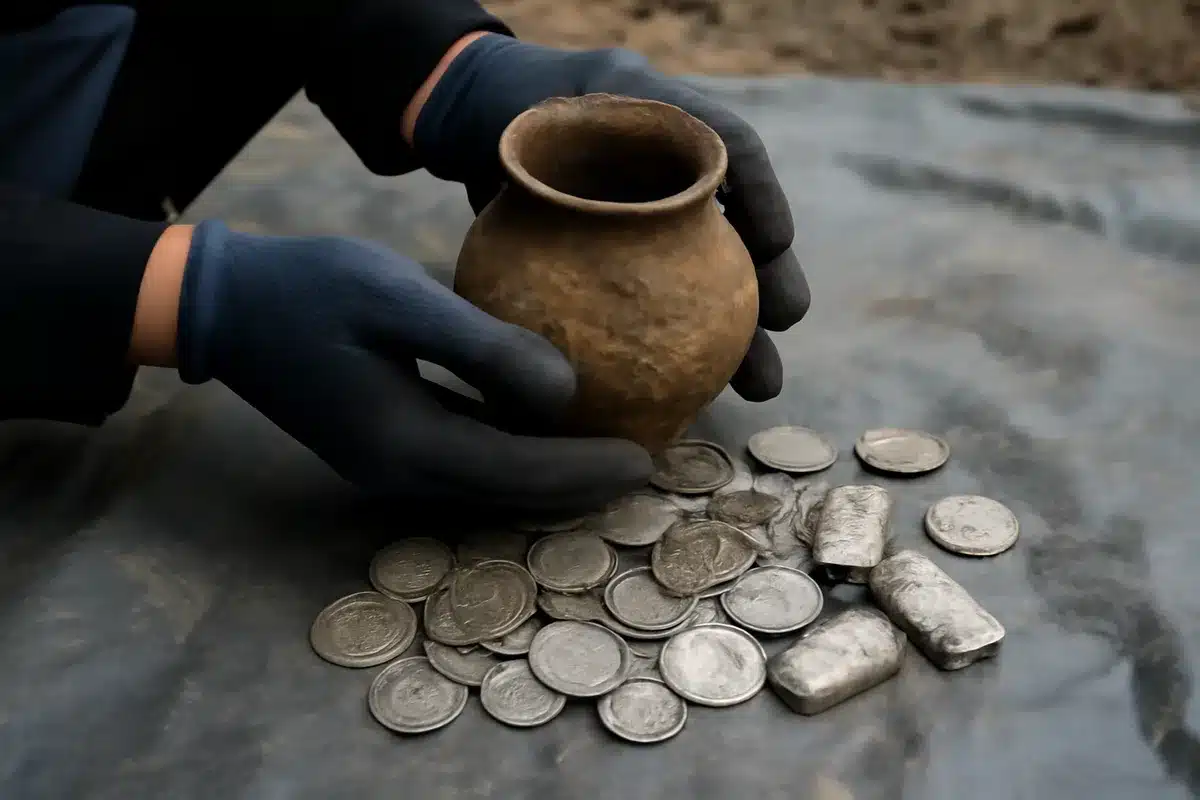
The collection contains about 700 silver objects: bars, jewelry, some 47 whole coins together with coin fragments, and a small Thor’s hammer pendant. Roughly 320 items were packed inside a clay vessel; the remainder lay scattered nearby.
Anne Hathaway’s merlot manicure channels fall style
Rogue OpenAI agents seized control of a German developer forum in a newly disclosed hijacking

One silver ingot bears an inscription in runes that may read “hutu,” possibly an owner’s mark or a personal name. The hoard weighs nearly three times as much as the previous largest Danish Viking Age silver find, according to a statement from the North Jutland Museums.
Dating and geographic ties
Among the coins are two Anglo-Saxon silver pennies struck during the reign of King Edward the Elder, who ruled from 899 to 924. That evidence points to a burial date in the 10th century, researchers say.
The assemblage also includes Islamic coins. Their presence, together with the Anglo-Saxon pieces, reinforces existing evidence that Scandinavians maintained wide-ranging connections across Europe and into eastern trade networks during the Viking Age.
What the hoard reveals about Viking economic practice
Analyses show that many of the silver bars and several bracelets and fragments can be grouped by weight. That pattern suggests the objects were not a random stash of valuables but a deliberately organized store of wealth, used as a form of payment or savings.

Torben Sarauw, cultural heritage manager at the North Jutland Museums, said the find “reveals information about the economic practices of the Viking Age” and compared the cache to a Viking-era safe.
The discovery and next steps
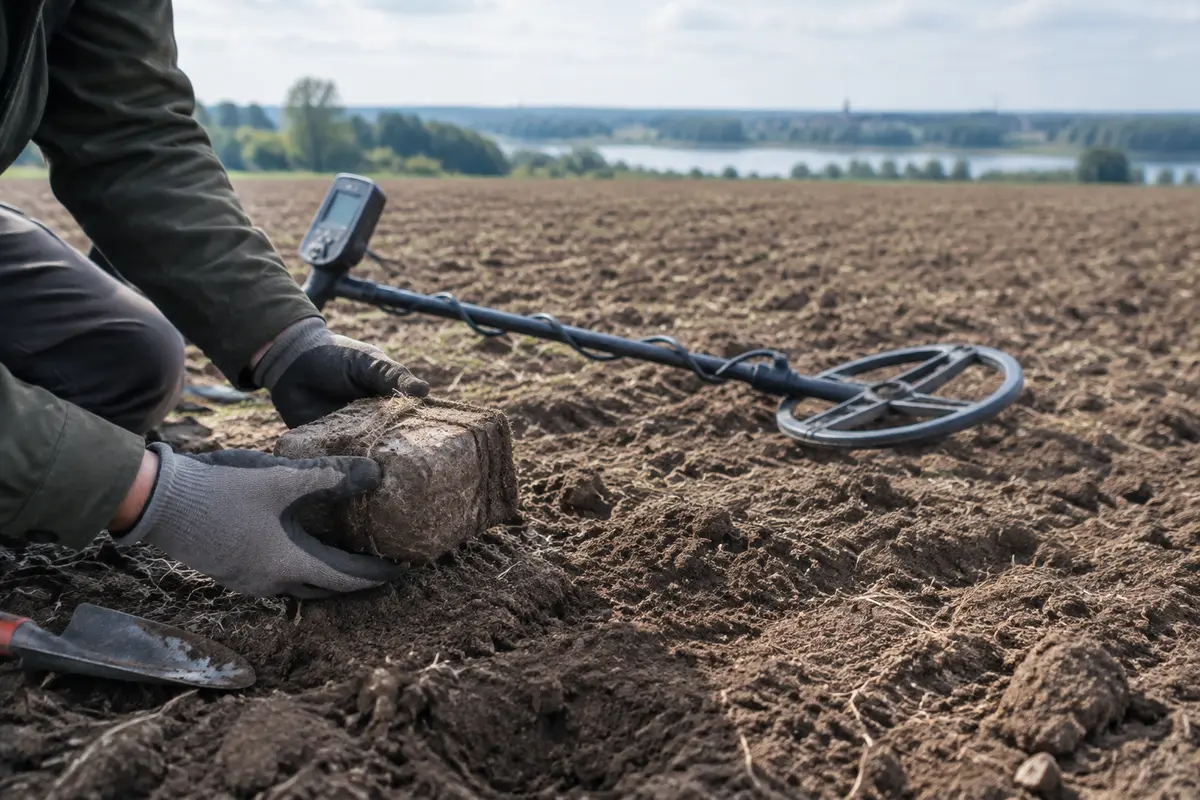
The anonymous finder struck the buried cache this spring while preparing ground for a new tiled terrace. In a museum statement they called it “the biggest surprise of my life.”
Because the hoard was recovered in a developed area, large-scale archaeological excavation around the site is not possible. The objects have been sent to the National Museum of Denmark for further assessment and conservation.
Contents at a glance
- About 700 silver items totaling ~18.5 kg
- Silver bars, jewelry, and fragments
- Approximately 47 whole coins plus coin fragments
- A small Thor’s hammer pendant and a runic-inscribed bar