Show summary Hide summary
I spent two months trying to exact a look popularized on The Secret Lives of Mormon Wives — the long hair, plumped lips and sun-kissed skin — to see how it would change my life in Brooklyn. The results were immediate: more attention, more compliments, and a nagging question about the price of maintaining the makeover.
Why I did it
I’m a beauty editor who binge-watched the show long before its latest season. I’ve always related to reality TV characters, but Utah’s aesthetic — think long, often-extended blonde hair, sculpted faces and a constant glow — sits far from my usual style. I’m a lesbian living in Brooklyn with a short, red bob and a preference for bare nails.
Apple’s iTunes remains, but it’s now in a different form
Week 2 fantasy QBs: Who to start and who to bench
The contrast made the experiment appealing. After about six weeks to get appointments lined up, I committed to living with the transformation for two months.
What I tried
Hair extensions
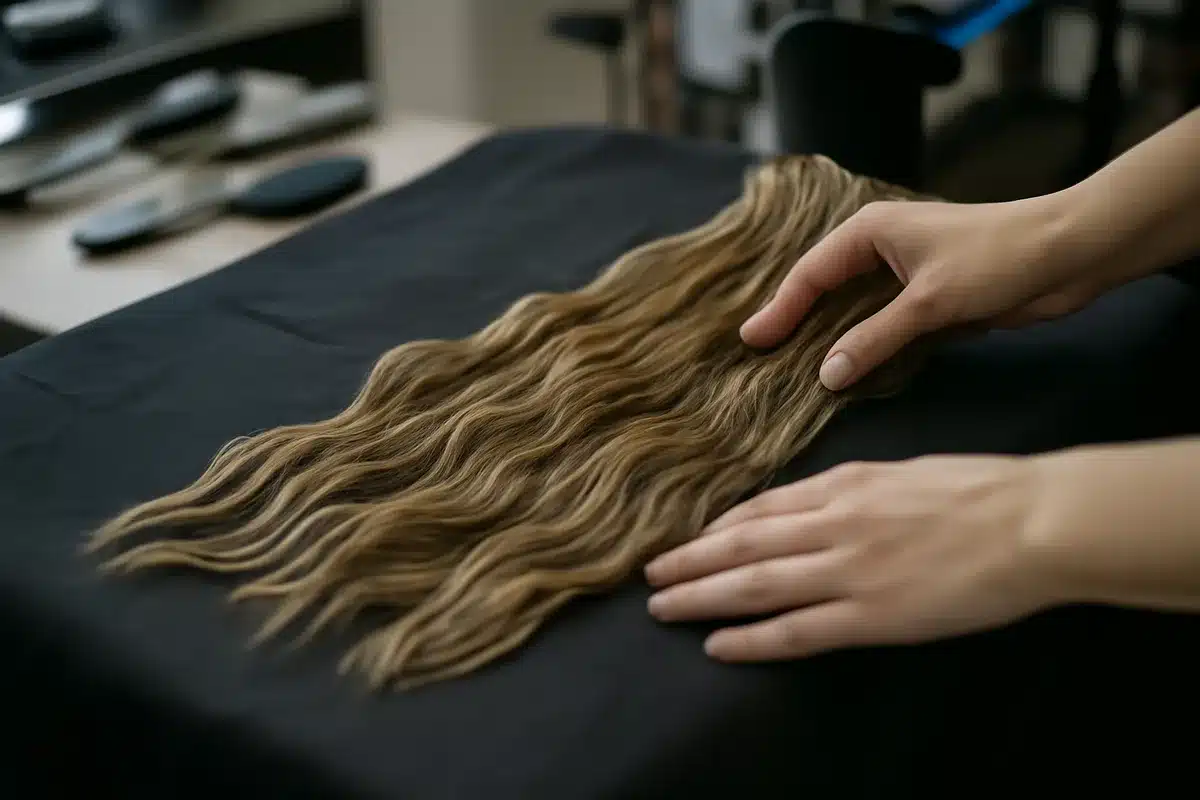
The most dramatic change was length. I went from a fine bob to hair that fell just above my bra line by having K-tip extensions installed. They’re a common option for thin hair because they blend well and can remain in place for several months. Tape-ins are another route many of the Mormon Wives favor — generally cheaper but better suited to thicker natural hair. The price difference can be noticeable, with tape-ins often costing less than K-tips.
Lip filler
The single treatment that drew the most compliments was a syringe of RHA filler in my lips. On the show, cast members openly visit med spas; the practice is widespread in the aesthetic culture the series explores. The filler gave immediate volume and changed how people noticed me.
Botox
I returned to neuromodulators as part of the look. I chose Daxxify, which I’ve used since it entered the market in 2023 and which I find lasts longer and seems to act faster than other options I’ve tried. For me, neuromodulators also help with TMJ-related tension and headaches, so the treatment was both cosmetic and functional.
“Utah curls”
The signature wave everyone in Utah seems to wear is a uniform, clamped curl with straight ends. I followed a tutorial closely, using a smaller iron because my hair is finer and shorter than the examples. It read as a controlled, wearable wave — but not my favorite way to style my hair long-term.
Spray tan
To mimic the show’s glow, I alternated professional spray tans with at-home self-tanning. I’ve prioritized sun protection for skin-health reasons, and a faux tan lets me keep that boundary while still getting the warmed-up look the cast often sports.
What I didn’t try
Blonde hair
I’ve had highlights before, but a full pivot to Utah-blonde wasn’t appealing. Some of the cast have already moved away from that specific standard, so it didn’t feel mandatory to go platinum.
Breast augmentation
Although many women on the show have had implants or lifts, elective surgery and its recovery time weren’t practical for me during this experiment.
Lash extensions
Because I take heated fitness classes and prefer removing my makeup each night, lash extensions weren’t a fit for my daily life. I stuck with mascara and a curler.
What I noticed
Men paid more attention; women, less so
The makeover shifted how strangers interacted with me. I received more attention from men — texts from people I knew before I came out, a few approaches at bars — but that didn’t translate into prospective dates with the women I’d actually want to meet. During Pride Month I still didn’t meet new queer prospects. The change suggested that certain beauty markers can make someone read as more traditionally straight-passing.
Getting ready didn’t take longer
I expected my morning routine to balloon. Instead, I often spent less time in front of the mirror: extensions gave lasting style, the filler defined my lips, and the tan provided an instant base. The exception was creating those precise “Utah curls,” which felt more time-consuming than other looks I tried.
How it felt
More confident — and more preoccupied
The treatments did what they promised: I felt beautiful and more visible. Yet alongside the boost came anxiety about maintenance and expense. I found myself checking my lips for lumps, scrutinizing photos for new lines, and worrying about the recurring cost of upkeep. That tension undercut some of the joy.
As a beauty editor, being attentive to appearance is part of my work, but this experience magnified insecurities I’d had and sometimes made me ashamed of my earlier look — an outcome I hadn’t intended.
The outcome
Compliments continued even after the experiment ended, which made me realize the attention was partly about how I carried myself, not only the aesthetic. Still, extensions damaged my hair: removal left strands fragile and some hair loss followed. I ultimately chose hair health over length and cut my hair into a short bixie.
People now stop me to ask where I got my hair done and tell me it suits me better. The experiment taught me that certain styles can change how others perceive you, but they also require trade-offs in money, time and personal comfort.
Why trust Cosmopolitan?
Beth Gillette is the beauty editor at Cosmopolitan. She has eight years of experience reporting on and editing stories about hair, makeup, nails and fragrance for digital and print audiences.