Show summary Hide summary
Max Goldbart returns to edit this week’s dispatch with a story that marries culture and state power: a Venice-screened documentary, **NAZA**, has provoked an unprecedented official backlash in Israel and placed its filmmakers under direct political pressure. The controversy raises questions about free expression, film funding and the role of art in an election year.
NAZA sparks government ire
The documentary NAZA, shown at the Venice Film Festival, investigates a program its makers say led to severe destruction of residential areas in Gaza. Directed by Yuval Abraham and Rachel Szor — the team behind No Other Land — the film takes its title from a Hebrew acronym used to denote collateral damage.

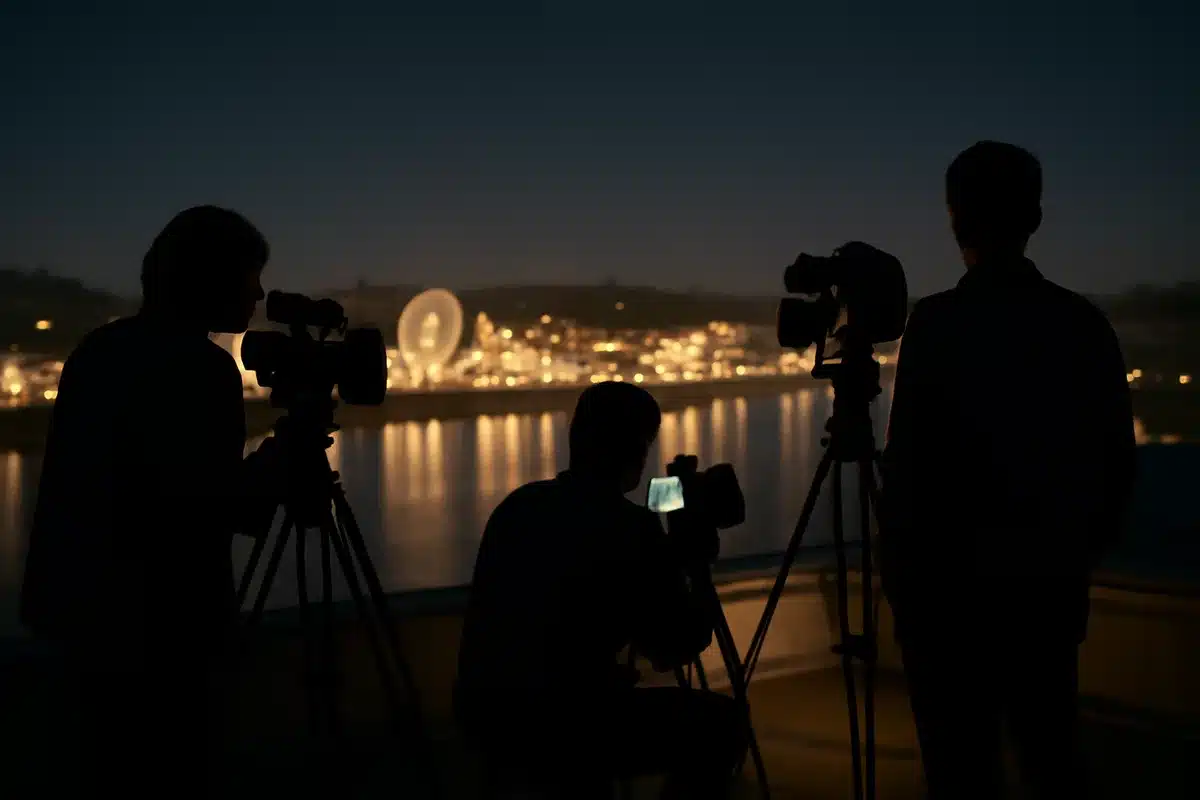
According to the filmmakers, much of the footage was shot at night on rooftops in Tel Aviv to reduce the risk of surveillance and to protect interviewees. Abraham appears on camera in the film, as he did in the earlier Oscar-winning project.
Apple’s iTunes remains, but it’s now in a different form
Week 2 fantasy QBs: Who to start and who to bench
Prime Minister Benjamin Netanyahu publicly condemned the film, calling it “global antisemitic incitement,” and has suggested severe measures could follow. Israeli authorities are reportedly considering revoking Abraham’s citizenship. Meanwhile, the Israeli Film Council announced it would remove festivals from the metric used to determine film-fund budgets, specifically criticizing Venice for programming NAZA.
With national elections approaching, critics warn the dispute could intensify. The episode underscores how cultural works can become flashpoints in broader political battles.
France picks its Oscar entry
France has chosen **Minotaur**, an anti-war drama directed by Andrey Zyagintsev with French producers, as its submission for Best International Feature Film. The decision came amid a high-profile debate that pitted Zyagintsev’s critically acclaimed Russia-themed drama against the large-scale historical epic De Gaulle: Résistance.
This marks the second consecutive year France has selected a film not primarily in French, a choice that prompted discussion in industry circles about strategy and voter appeal. Observers suggested the auteur-driven, festival-lauded nature of Minotaur made it the safer bet for awards voters.
Spain’s submission this year is Cannes favorite La Bola Negra, now acquired by Netflix. The musical drama is widely regarded as a frontrunner in the category. Spain’s shortlist also included the Cannes film The Beloved, which has stirred talk about potential acting recognition for Javier Bardem.
From TIFF: Aimee Lou Wood on creative risks
Aimee Lou Wood stopped in Toronto to discuss Małgorzata Szumowska’s The Idiot(s), in which she portrays Anna Dostoevskaya. The actor also reflected on her breakout role in The White Lotus, entertaining the possibility that her deceased character might return in some psychological form.
“We were saying maybe [in] Saxson’s (Patrick Schwarzenegger) conscience,” Wood said, musing on how a character might reappear. Her remarks formed part of a wide-ranging interview recorded at TIFF Studio.
New Diana tapes, timely release
Distributor Cineflix Rights plans to take the documentary Diana Unheard to MIPCOM Cannes, a move that coincides with renewed public attention on the royal family. The film features previously unreleased audio from 1991 — secret recordings of Princess Diana speaking with friend James Colthurst.
Producers say the film seeks to avoid portraying Diana solely as vulnerable. The tapes include candid comments about then-Prince Charles, Camilla, and Prince Andrew. The release also arrives as Earl Spencer prepares a memoir containing a disputed claim that Charles told him, “We’ll forget her soon enough,” after Diana’s death. Buckingham Palace issued a measured rebuttal: “His Majesty is mindful that the pain of fraternal grief can cloud reason, affect judgment and colour memory in ways others do not recognise, even many years after such a loss.”
With Prince Harry and Meghan back in the UK and broader royal scrutiny mounting, the documentary’s launch looks set to amplify debate ahead of Cannes.
By the numbers
4.64 billion — Hours of anime streamed on Netflix in H1 2026, a growth rate reportedly nine times higher than that of other genres.
The essentials
- Casting: Sam Worthington, Liam Hemsworth and Cara Delevingne are set to star in Paul Schrader’s erotic thriller Non Compos Mentis.
- TV revivals: Australia’s Stan is rebooting McLeod’s Daughters and adapting Angourie Rice’s take on Pride & Prejudice for television.
- Executive moves: Eric Schrier, Disney’s international direct-to-consumer chief, will leave for a producer deal.
- Awards: Matthew Rhys, the Welsh star, celebrated a historic Emmy moment for international performers.
- Festivals: Dubai International Film Festival is being revived after a decade-long hiatus; uncertainty persists around the Red Sea Film Festival planned for December.
- Investigations: A film about Jair Bolsonaro in Brazil faces scrutiny over alleged illegal funding.
- Broadcasting: Channel 4 has declined to reopen a top-pay review amid sweeping job cuts.
- Doctor Who: The BBC has launched a tender to find the next producer of the long-running series.
- AI concerns: Playwright Jack Thorne said some writers are using artificial intelligence to “cheat.”
- Theatre: The West End revival of Sunday in the Park with George was delayed after high-profile cast departures.
- Streamers: Paramount and SkyShowtime could face closure following a board review.
- Streaming charts: Mercedes Ron’s Drawn Together topped Prime Video viewing charts.
- Deals: Disney and Kakao struck a 10-project pact in Korea aimed at developing new K-pop properties.
- Box office: Resident Evil opened to an estimated $80 million worldwide.
- Trailers: A preview surfaced for Happily Ever After starring K-pop breakout Shuhua.
This edition of International Insider was written by Max Goldbart and edited by Jesse Whittock; Andreas Wiseman contributed.