
Show summary Hide summary
Publishers aiming to reach readers through Google Discover and Google News must combine strong journalism with practical technical work. Success in these feeds depends as much on clear reporting and useful visuals as on tidy metadata and page performance.
Prioritize rigorous, reader-focused reporting
Long-term visibility starts with **credible, useful journalism**. Content that answers a clear reader question, explains why an event matters, or gathers verified facts will earn trust and encourage repeat visits.
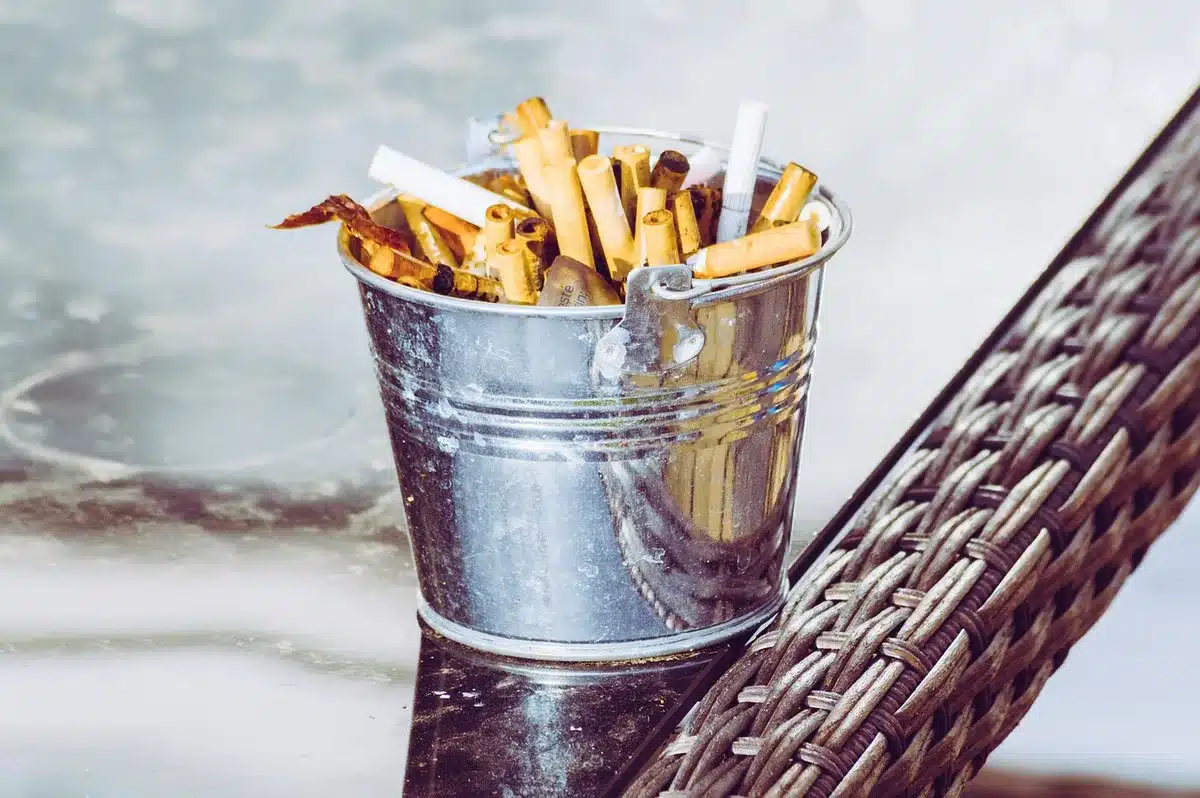
Ultra-thin women smoking cigarettes are making a comeback as a fashion trend
Windows Memory Diagnostic explained: what the test does and how to read results
Write headlines that reflect the article’s core claim without hyperbole. The first paragraphs should state the main point plainly and quickly. Busy readers and feed algorithms both favor clarity.
Design images and metadata for mobile feeds
Visuals play a disproportionate role in Discover and News. A single strong image can determine whether a story gets noticed while scrolling.

Use a high-resolution landscape image that crops well for small screens. Pair it with concise, informative alt text and a clear meta description. Structured data can help search systems understand the article, but the visible combination of headline, image, and lede is what convinces a user to tap.
- Ensure images are large enough for modern displays and use descriptive filenames.
- Keep titles accurate and under an eye-friendly length; avoid stuffing keywords.
- Include basic article schema so systems can identify author, date, and headline.
- Confirm pages are mobile-friendly and load quickly on cellular connections.
Align editorial rhythm with audience intent
Not every story needs to be instant. Develop a mix of timely reporting, explainers, and recurring formats that fit your readers’ needs. This balance keeps a publication present in feeds without diluting quality.
Plan beats where depth adds value: explainers that break down complex topics, local reporting with concrete implications, or data-driven pieces that surface overlooked trends. Repeatable formats — such as a daily roundup or a clear Q&A — help users recognize and return to your brand.
Improve discoverability with small technical wins
Technical fixes are often low-effort, high-impact. Auditing basic SEO signals and page health regularly prevents avoidable losses in visibility.

Run focused checks on canonical tags, image size headers, and any redirects that could fragment authority. Monitor core page metrics like load time and mobile layout shifts; even modest improvements reduce friction for readers arriving from feeds.
Use headlines, summaries and formats that respect context
Feed environments are contextual: a headline that works on a homepage may read differently in a compact mobile card. Tailor the wording so that it stands alone and accurately represents the story without needing additional context.
Where appropriate, add a brief summary or deck line to clarify the angle for readers who see only the headline and image. This reduces misclicks and builds trust.
Test, measure, and adapt
Publishers should treat Discover and News as experimental channels. Track which formats, topics, and images perform best, then iterate. Tests should be simple, A/B style when possible, and evaluated over time rather than on a single data point.
Metrics matter, but they should inform editorial judgment rather than replace it. Combine quantitative signals with newsroom insight to refine coverage and presentation.
Attention in feeds rewards a disciplined mix of craft and technical care: accurate reporting, compelling visuals, feed-friendly headlines, and reliable page performance. That combination helps stories surface to readers who rely on Google Discover and Google News to scan what matters each day.