Show summary Hide summary
At IFA 2026 a new rugged smartphone concept drew attention by turning its rear camera into a standalone action camera. The design blends the durability expected from field-ready phones with a removable module that can be used independently for hands-free shooting and extreme sports.
One device, two roles
The core idea is straightforward: a smartphone built to withstand drops, water and dust that also houses a camera module you can pull out and operate separately. In the demonstration at the trade show the camera detached from the phone body and continued recording while wirelessly connected, allowing users to position the lens in locations the phone alone could not reach.
Rugged phone’s camera detaches to double as an action cam
Burger King turns to local franchisees to jump-start its U.S. comeback
This approach aims to combine the convenience of a phone’s always-available imaging system with the purpose-built ergonomics of an action camera. Rather than carrying two devices, users would pack a single handset and a removable module that clips into mounts, helmet adapters or chest harnesses.
How the removable camera works
During the IFA preview, the module appeared to include its own battery, physical controls and local storage so it could function autonomously. When docked, the phone acted as a viewfinder and editor, but once separated the camera continued to record and stream footage back to the handset over a wireless link.
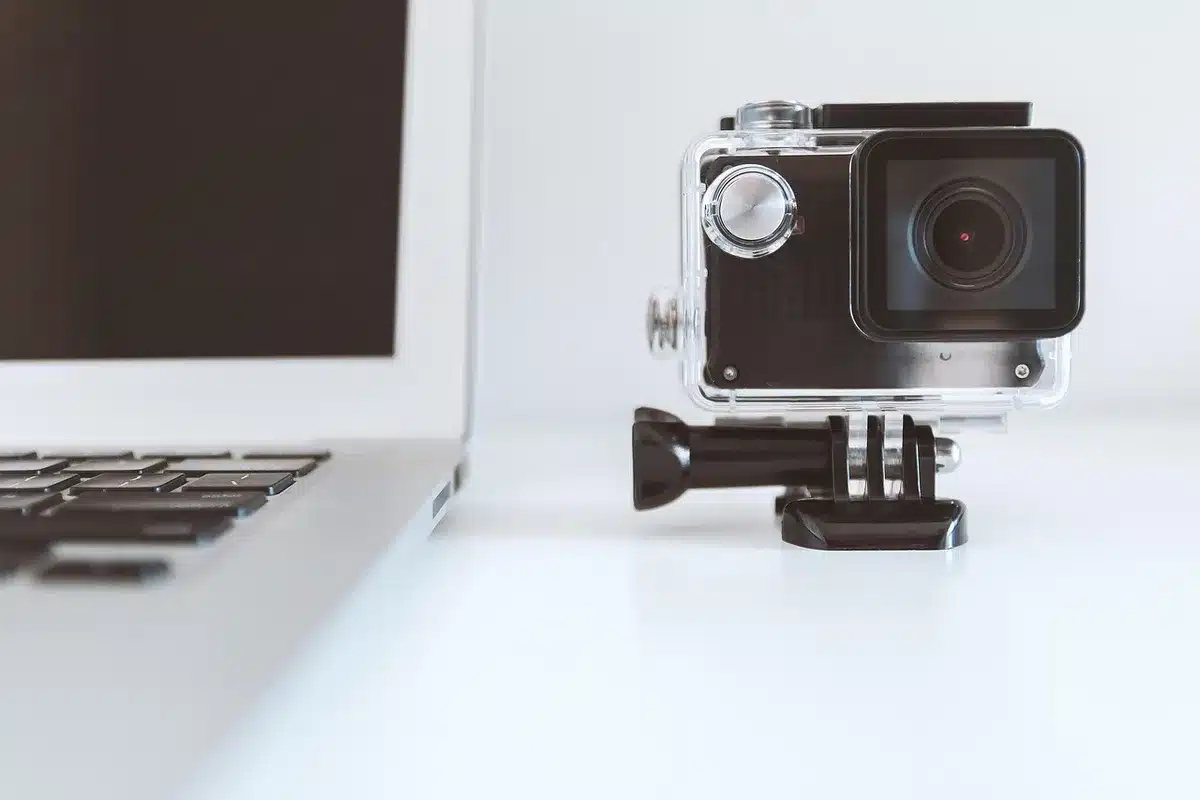
The concept suggests several practical benefits. Photographers and adventure users could start recording on the phone then move the lens to capture action from different angles without interrupting the shoot. Teams in the field might use the module as a remote point-of-view camera while keeping the phone for communication and on-device review.
Designed for tough environments
The device shown emphasized ruggedness. Its chassis, physical ports and buttons were arranged with protective flaps and reinforced edges. The design language pointed to a focus on longevity and reliability in wet, dusty or impact-prone settings.

That durability extends to the camera module itself. For use on bikes, helmets or boats, the detachable unit needs to resist shocks and moisture while maintaining a secure electrical and mechanical connection to the phone when docked. The demonstration highlighted those mechanics rather than precise laboratory ratings.
Accessories and mounting options
Accessories are a natural part of this product strategy. At the show the camera was paired with a small magnetic mount and a low-profile clip. The ecosystem is likely to expand to include standard action-camera mounts, adhesive pads and harnesses so users can adapt the module to different sports and work scenarios.
- Magnetic and clamp mounts for quick placement
- Helmet and chest adapters for POV shots
- Protective housings intended for harsh conditions
Where this fits in the market
Manufacturers have tested modular phone accessories before, with mixed commercial success. This detachable-camera approach differs by focusing the modularity specifically on imaging and on proven use cases where a small, positionable lens adds measurable value.
Consumers who already carry action cameras may welcome a combined solution that reduces device count and simplifies media transfer. Professional and industrial users could also find the pairing useful for inspections, documentation and situation monitoring where a separate, portable lens expands the phone’s utility.
Missing details and next steps
Several important questions remain unanswered. The demo did not include full technical specifications for imaging quality, battery life, or wireless range. Pricing, retailer availability and whether the module will work with other models were also not disclosed at the show.
For buyers weighing this type of device, the key factors will be durability certifications, image stabilization, autonomy of the camera module, and how seamless the handoff between phone and module feels in real use. These elements will determine whether the form factor fills a practical niche or remains a novelty.
Takeaway
The detachable camera concept shown at IFA 2026 revisits a familiar idea with a tighter focus on durability and action use. If manufacturers can deliver robust hardware, reliable wireless connections and an attractive accessory ecosystem, the design could appeal to adventurers and pros who need flexible imaging without carrying separate systems. Further announcements will be needed to judge whether the concept moves from intriguing demo to everyday tool.