Show summary Hide summary
Manchester United will keep Michael Carrick in charge for Saturday’s Premier League trip to Chelsea, a pause in what many expected to be an imminent sacking. Multiple reports say the club’s hierarchy have given him time to try to arrest United’s slump — a choice shaped by fan sentiment, scheduling and deeper problems at the club.
Public opinion
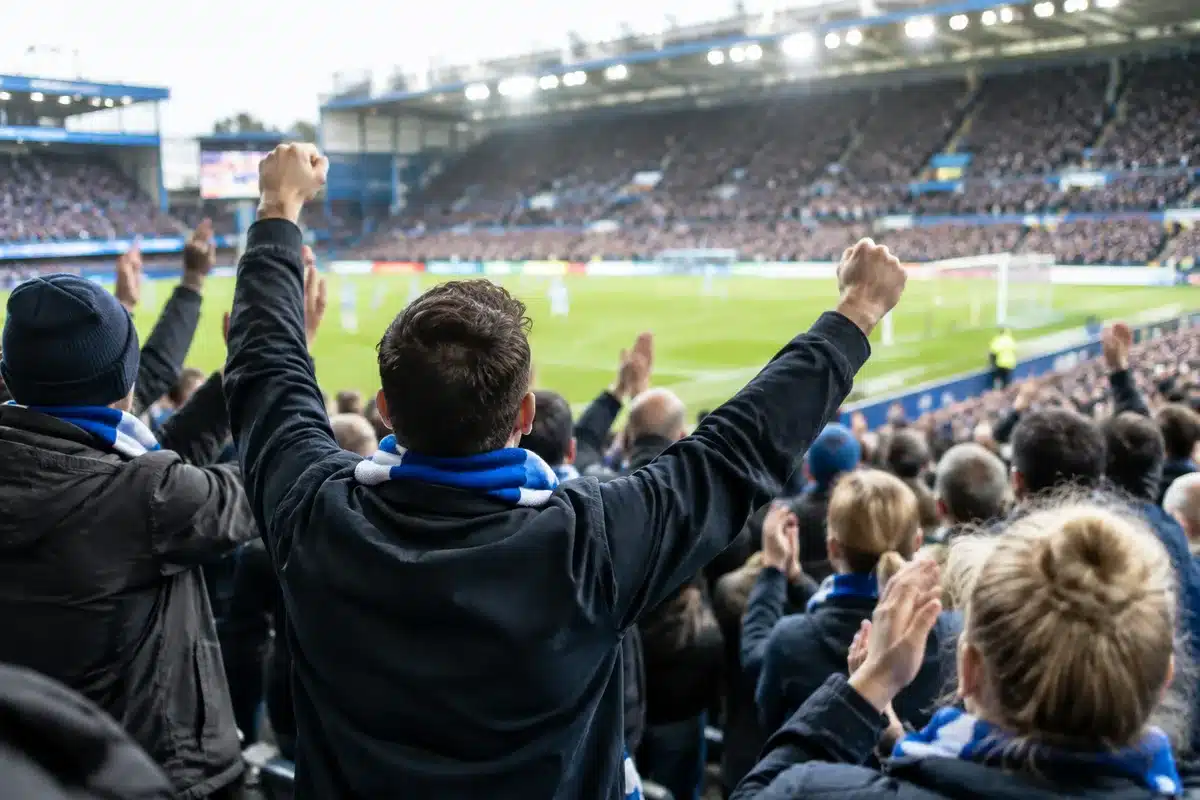
The reaction from the stands after United’s heavy defeat to Bournemouth underlined why the board hesitated. As Carrick made an emotional lap of Old Trafford, supporters loudly cheered the former midfielder while directing booes and hostile chants at executives and players. Some fans explicitly targeted co-owner Sir Jim Ratcliffe, the Glazer family and technical director Jason Wilcox, with the crowd chanting “Sell United and f— off home.”
Light-up digital shelf labels help Walmart shoppers and employees locate items
Former YMU Global exec opens London agency representing creators, including Topjaw’s Jesse Burgess
ESPN reported that the visible public backing for Carrick “did not go unnoticed” inside the club. In a period described by many as toxic, having a manager who still enjoys popular support reduces immediate pressure on the board. Inside the dressing room, however, sentiment is mixed. While Bruno Fernandes has questioned Carrick’s suitability, others have expressed support. Senne Lammens publicly backed him before the Bournemouth defeat and centre back Harry Maguire said: “We’re fully behind Michael. As individuals, we’re not playing well enough.”
Delay tactics
According to The Guardian, Wilcox is a leading voice in the decision to retain Carrick temporarily and is also thought to be advocating for Eddie Howe as a long-term replacement. It remains unclear whether Carrick’s continued role is intended merely as a stopgap while negotiations for a new manager are finalised.

Howe is widely reported to carry a compensation cost of about £3 million ($4 million) following his summer exit from Newcastle United. That fee, and the wider terms of any deal, appear likely to require more time to sort out.
Practical timing has played a part. United are not playing in the Carabao Cup this midweek, which gives the board a five-day window before a congested run of fixtures. Three days after the Chelsea trip they host Roma in the Champions League, then face Aston Villa in the Premier League at the weekend. The club could also use the November international break as a more convenient interval to make a change without immediate match disruption.
Past mistakes
Carrick himself admitted limits to his control. Asked why the club keeps falling into the same problems, he replied: “If I really had the answers, I wouldn’t have let it happen,” later adding: “If I could do something about it and there was something that I could really control, then I would’ve tried to do everything I can to not be in this position.”
The article’s reporting places much of United’s current malaise beyond any single coach. Critics point to the 2005 leveraged buyout under the Glazers as a turning point that saddled the club with heavy debt. The figures cited in reporting include more than $1.5 billion in overall debt and nearly $500 million in outstanding transfer fees. Ratcliffe has said the club was close to running out of cash flow before he undertook significant spending cuts across departments.
Sporting errors have compounded the financial strain. Even the productive summer 2025 window — which brought in Senne Lammens, Bryan Mbeumo, Matheus Cunha and Benjamin Šeško — cannot fully offset the consequences of earlier recruitment and structural decisions. Tactical questions about Carrick’s team are legitimate, but they are amplified by roster limitations. The club failed to sign a left back in the summer, leaving Diogo Dalot to operate on an unfamiliar flank; Dalot remains on a contract through 2028, with an option for an extra year.
Short-term loyalty to Carrick may buy the board breathing space, but the reporting stresses that meaningful recovery would require comprehensive change at the top. Replacing a manager is easier than overhauling ownership, budgeting and recruitment — and those deeper changes are the ones that, the evidence suggests, will matter most to United’s future.