
Show summary Hide summary
Goldman Sachs CEO David Solomon told CNBC that demand for financing artificial-intelligence infrastructure remains strong even as investors re-evaluate risks around the sector’s rapid build-out. He said the bank has been “very active” in recent AI capital-markets transactions and expects that pace to continue.
Steady appetite for AI infrastructure financing
Speaking to CNBC’s Leslie Picker, Solomon said “There’s still very strong demand for investments in the AI infrastructure build and the technology around the growth of AI.” His comments suggest Goldman sees persistent investor interest in funding the servers, networking and software that power large AI systems.
Alexa Home Map provides a visual dashboard to manage smart home devices
Evaluating Fernando Mendoza and Carson Beck after their debut starts
Solomon framed those investments as part of a long-term shift. “But I still deeply believe in the long-term trajectory of the power of AI in our economy to drive productivity,” he said, stressing his conviction despite recent market volatility.
Political uncertainty and market turbulence
AI-related shares — from chipmakers to cloud service firms — have fallen in recent weeks as investors reassess whether the vast sums flowing into AI will deliver attractive returns. The selloff began ahead of the U.S. midterm elections and intensified after Democrats scored sweeping victories on Tuesday, a development that some market participants view as adding political risk to the industry’s expansion.
Anthropic IPO will be a key test
The shifting sentiment arrives as Anthropic prepares for a potential public listing that could serve as one of the clearest signals of public-market appetite for AI firms. Goldman is among the banks advising on that IPO.
When asked about the offering, Solomon declined to provide details, saying “We’ll see, obviously, if this IPO moves forward, how it all plays out.” He added that, overall, “the market environment is still pretty constructive.”
Data centers, national strategy and responsible construction
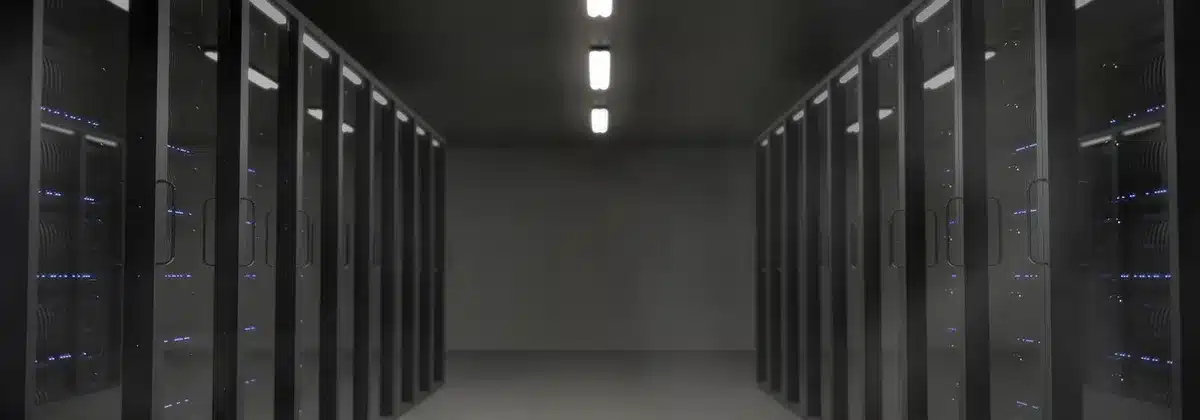
Solomon pushed back on political resistance to building new data centers, arguing the physical infrastructure is essential to the U.S. economy. He emphasized that capacity must be deployed domestically rather than shift overseas as demand for compute grows.

“We certainly don’t want this infrastructure going to places outside the U.S., which is what will naturally happen because the demand for compute is there,” he said, while also noting that such facilities can be developed responsibly.
What this means for readers
For investors and businesses watching the AI race, Solomon’s remarks highlight two competing themes: continued financing demand for AI infrastructure and growing sensitivity to political and market risks. How the Anthropic IPO and data-center debates play out may shape where capital flows next.