Show summary Hide summary
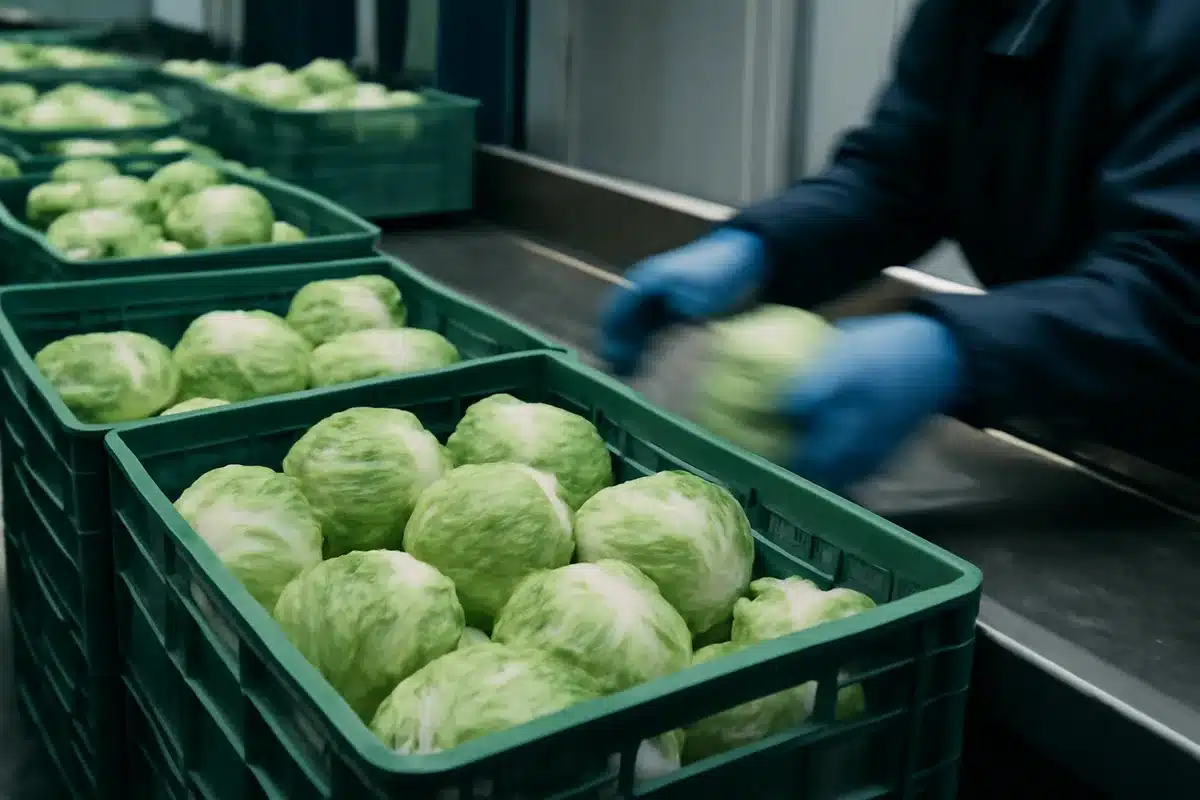
A widespread cyclospora outbreak that has sickened thousands across the United States has put a spotlight on Taylor Farms, a major supplier of prepackaged salads and fresh-cut vegetables. With the FDA linking the parasite to iceberg lettuce processed at a Taylor Farms facility in central Mexico, the episode highlights how a few large companies can shape food availability — and food-safety risk — nationwide.
Where Taylor Farms fits in the supply chain
Taylor Farms is one of the world’s largest producers of fresh-cut vegetables and salad kits, supplying many of the country’s biggest retailers and restaurant chains. Its products appear in stores such as Walmart, Kroger, Whole Foods and Target, and the company counts McDonald’s, Taco Bell and Chipotle among its restaurant customers. Taylor Farms has said roughly 40% of salad kits sold in grocery stores come from the firm.
Ultra-thin women smoking cigarettes are making a comeback as a fashion trend
Windows Memory Diagnostic explained: what the test does and how to read results
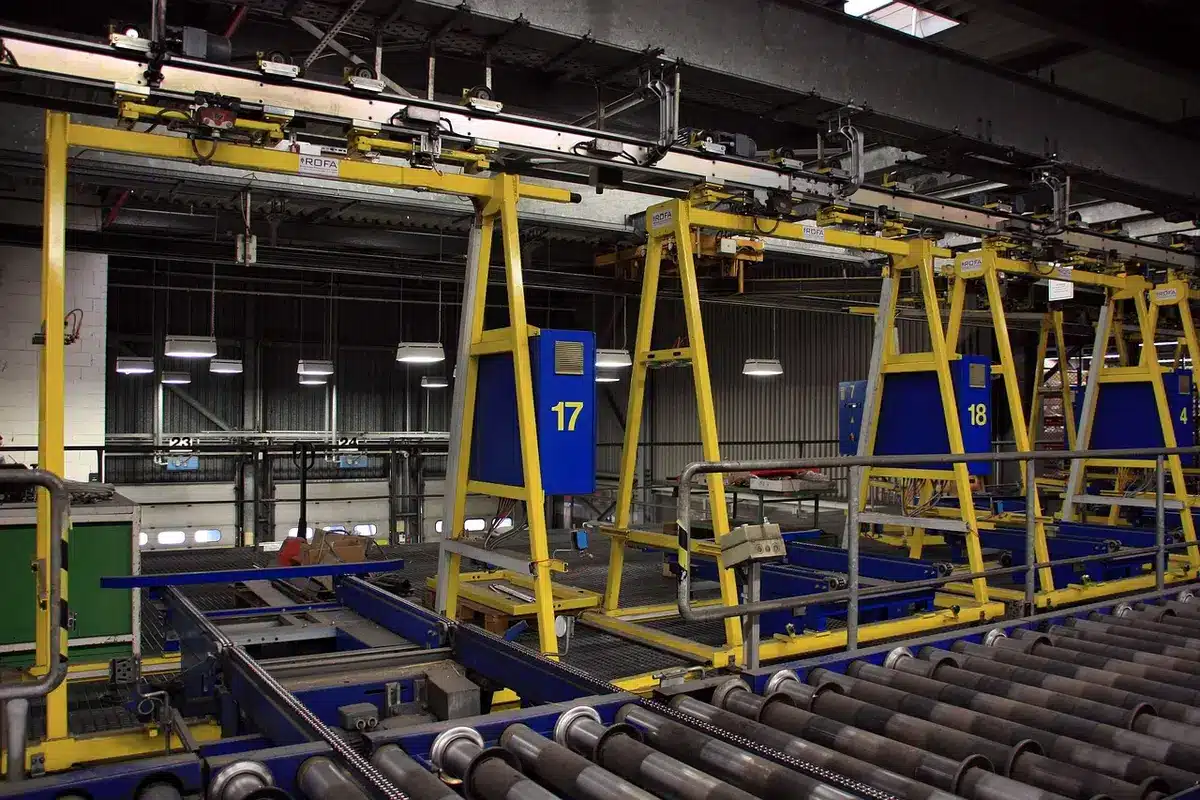
Founded in 1995, the company sources produce from hundreds of family farms while performing much of the processing and distribution itself — washing, chopping, packaging, labeling, shipping and refrigeration. That integrated model has helped make Taylor Farms indispensable to national chains that need a steady, standardized supply.
“They can promise institutions that have multiple locations all over the country that they can supply what they need on a regular basis,” said Stephen Zagor, a restaurant consultant and adjunct associate professor at Columbia Business School. “For a restaurant chain, it’s easier for them to deal with a major multinational company than it is to deal with local farmers.”
What happened and how the company responded
The FDA has linked the current outbreak of cyclospora to iceberg lettuce processed at Taylor Farms’ central Mexico facility, and the agency reported that some of that lettuce was served at Taco Bell restaurants. In response, Taylor Farms voluntarily suspended sourcing and production of iceberg lettuce from that region and commissioned independent experts to review food-safety practices at the site.
Retail and restaurant actions have reflected the scale of the problem: Walmart recalled bagged salads, and Taco Bell pulled certain lettuce items at some locations. The FDA has not reported a positive product sample for cyclospora, noting that the parasite’s incubation period and lettuce’s short shelf life make it difficult to test the exact contaminated batch.
Taylor Farms declined an on-camera interview but issued statements defending its practices. A spokesperson for Taylor Fresh Foods, the company’s corporate name, told CNBC: “We are confident in our food and food safety systems and will continue to be transparent as more information becomes available.”
Scale, consolidation and past outbreaks
The company reported about $7.3 billion in sales last year, according to PitchBook. Taylor Farms has expanded through numerous acquisitions and investments, including purchases of Earthbound Farm in 2019 and agricultural robotics firm Farmwise in 2025.
Growth has delivered predictable supply, standardized products and potential labor savings. But consolidation can also concentrate risk. “The consolidation has camouflaged sources,” Zagor said. “It’s all put in one big pot. And if that pot has now gone bad, that affects the entire downstream logistic food chain.” He described the prospect of a widely distributed foodborne illness tied to a single supplier as a “culinary national nightmare.”
Taylor Farms has previously been associated with outbreaks. Food safety attorney Bill Marler has documented incidents linked to the company, including a 2009 salmonella outbreak tied to shredded lettuce and a 2024 E. coli outbreak involving slivered onions served at McDonald’s. Marler Clark has filed five complaints so far related to the current cyclospora outbreak in Ohio, Michigan and Kentucky, naming multiple Taco Bell franchise operators, the chain itself and several Taylor entities.
Regulatory review and political questions
As Taylor Farms has acquired other businesses, questions have surfaced about regulatory oversight. CNBC asked the Justice Department and the Federal Trade Commission whether they reviewed or challenged the company’s deals. The DOJ did not respond and the FTC said it could not offer additional detail without knowing the transaction values, which determine whether an agency review was required. CNBC found no public record of FTC challenges to Taylor Farms’ acquisitions.
Reports have also noted the company’s political activity. Taylor Fresh Foods made a $1 million donation to the super PAC MAGA Inc. last year, around the time the Trump administration delayed a rule on food tracing requirements, and the company has spent millions on lobbying against regulation. Critics say such influence can weaken enforcement.
“If what you want is light enforcement of anything that’s going to be expensive and cost you money, it’s very nice to have political power,” said Marion Nestle, professor emerita of nutrition, food studies and public health at New York University. “You can go to Congress and say, we don’t want to do that.”
Taylor Fresh Foods rejected any suggestion that political contributions secured special regulatory treatment. A company spokesperson said: “Taylor Farms categorically rejects any suggestion that the company has attempted or received favorable regulatory treatment as a result of political contributions or any other improper influence.”
Spending on safety and remaining uncertainties
Taylor Farms has said it spends more than $200 million annually on food safety and described safety as its largest area of investment. The company has also engaged external experts to review practices at the implicated facility.
But the outbreak underscores persistent gaps: when a small number of large suppliers serve many retailers and chains, a problem at one facility can ripple widely. Regulators and industry observers say that makes robust oversight and traceability essential — even as questions about enforcement powers and industry influence remain unresolved.