Show summary Hide summary
I always assumed adulthood would bring two certainties: a romantic partner and an unwavering female best friend. I have the partner—but the absence of a single, lifelong BFF has felt, at times, like a personal shortcoming.
The rom‑com script versus real life
As a teenager I absorbed an unmistakable narrative from movies and TV: women grow up to have a soulmate and a ride‑or‑die friend. I pictured myself working at a glossy magazine, sharing a sprawling city flat with a tight circle of girlfriends, and stumbling into a meet‑cute that ends in a movie‑style proposal.
Apple’s iTunes remains, but it’s now in a different form
Week 2 fantasy QBs: Who to start and who to bench

Reality diverged. My time in fashion more closely resembled The Devil Wears Prada than a lighthearted rom‑com. I eventually met my husband the modern way—through dating apps and coffee walks—and though our courtship included a bizarre locked‑in‑a‑public‑toilet episode before our first date, he later popped the question on a beach. We got married and support each other through adulthood’s challenges. So I ticked the romantic box. But the other fantasy, the singular female confidante, never solidified.
Wedding planning brought the absence into focus
When we began planning the wedding, the gap felt sharper. I imagined a hen party speckled with private jokes and teary speeches, an Instagram tribute to decades of shared history, or someone who, after a couple of Aperol Spritzes, would call me “a sister” in front of everyone. Instead I found myself worrying that lacking a best friend meant failing at a cultural rite of passage for women. I feared being labeled “not a girl’s girl.”
Why expectations become burdens
Dr Claire Stubbs, a chartered psychologist and author, says many women quietly shoulder shame about their friendships. “We’ve been sold a very specific image of what adult friendship should look like,” she explains, pointing to TV ensembles and heavily curated social feeds as part of the problem. The implied message is that emotional health and social success automatically lead to a tightly knit group of friends.
Stubbs adds that adult life complicates that picture: careers, children, caring duties, moves, shifting relationships and money pressures mean friendships often ebb and flow. Rather than seeing this as a normal consequence of competing demands, many interpret it as personal failure.
Social media raises the bar
For a new generation, Instagram and other platforms now perform the same cultural work as on‑screen friendship once did. Photo dumps from girls’ trips, brunch stacks, and captions calling friends “soulmates” present one narrow version of connection. While it’s positive that female friendship is gaining recognition, these public displays can also become another yardstick—especially for those whose relationships look messier or more intermittent.
Friendship as chapters, not a single story
My friendships have been real and sustaining, but rarely constant. Some friends have carried me through breakups; others show up for a season and then drift. Moving countries around age 30—a time when many people bond over shared milestones like promotions, marriages, and having children—meant several ties didn’t deepen in the way I had expected.
There’s a personal side to this, too. I’m introverted and value intimacy while still needing space. That combination can make the steady availability I imagined difficult to achieve, both for me and for others.
Reframing what counts as belonging
“What I see in my clinical work is that many women aren’t necessarily grieving the absence of friendship; they’re grieving the absence of the friendship story they thought they were supposed to have,” says Stubbs. When the expectation of a single, perfect BFF is relaxed, she argues, people can better appreciate the connections that are actually present—siblings, neighbours, community groups, or friends who appear in different seasons.
Lowri Walsh, a psychotherapist specialising in women’s wellbeing, suggests shifting the question from “Why don’t my relationships look like they’re supposed to?” to “What do healthy, realistic, and meaningful relationships look like for me at this stage of my life?” Letting go of an idealised template can be disappointing at first, but it can also free relationships to be “imperfect, human, and authentic,” she says.
What I’ve learned
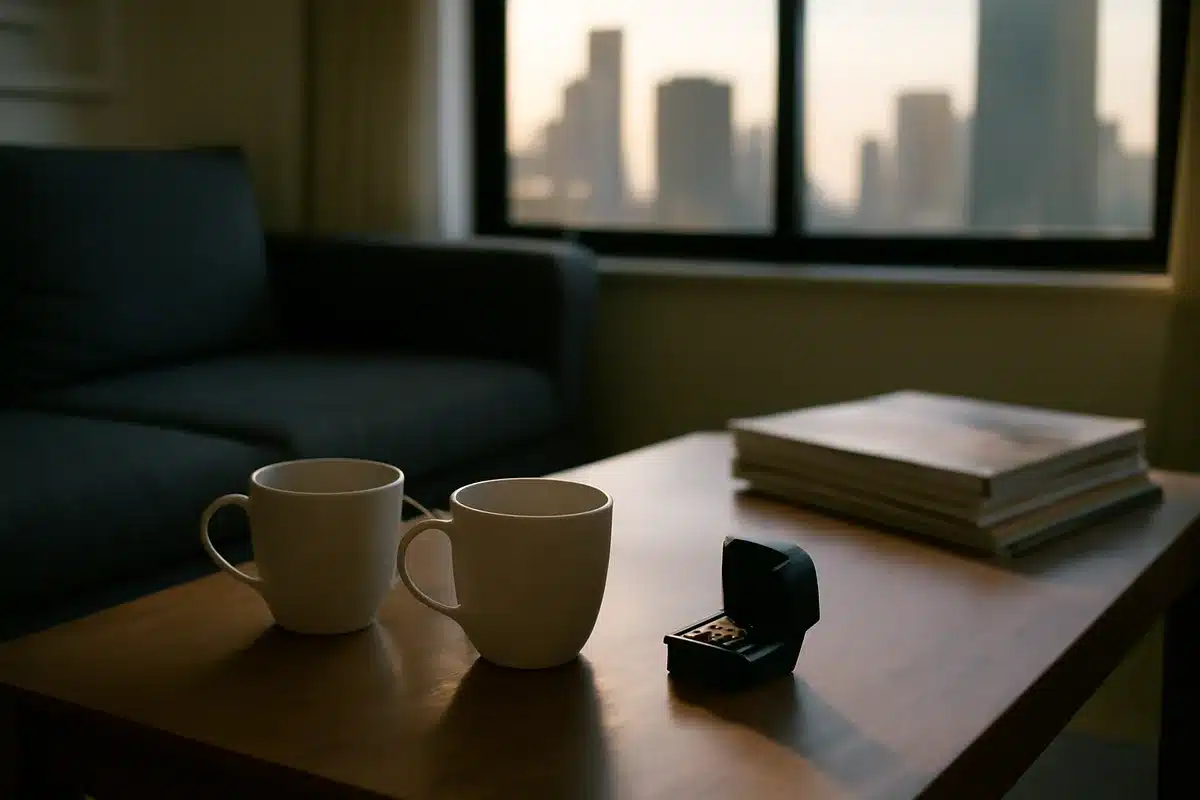
My search for a single defining platonic bond nearly blinded me to the variety of supportive, meaningful female relationships I already had. Not every friendship needs to be all‑consuming to be valuable. Some friends are constant, some pass through for a chapter, and others are there in small but crucial ways—through a shared joke, a helpful message, or an unexpected phone call.
Recognising that connection can take many forms has changed how I measure belonging. It hasn’t erased the longing for the teenaged ideal, but it has made room for a more realistic, and kinder, view of what female friendship can be.