
Show summary Hide summary
Bugatti CEO Mate Rimac says the market for supercars is fragmenting: mass-market vehicles are moving toward affordable electric models, while the wealthiest buyers are drawn back to traditional, handcrafted machines. He describes the split as a new “Swiss watch phase,” where precision mechanics and bespoke details trump gadgetry for top collectors.
Two markets emerge: mass EVs and bespoke combustion
Rimac, the 38-year-old entrepreneur who assumed control of Bugatti in 2021, argues the car industry is separating into distinct tiers. On one side are lower-priced electric vehicles — many from Chinese manufacturers — that will dominate everyday driving. On the other is a narrow, affluent segment that still prizes loud internal-combustion engines and emotional driving experiences.
Ultra-thin women smoking cigarettes are making a comeback as a fashion trend
Windows Memory Diagnostic explained: what the test does and how to read results
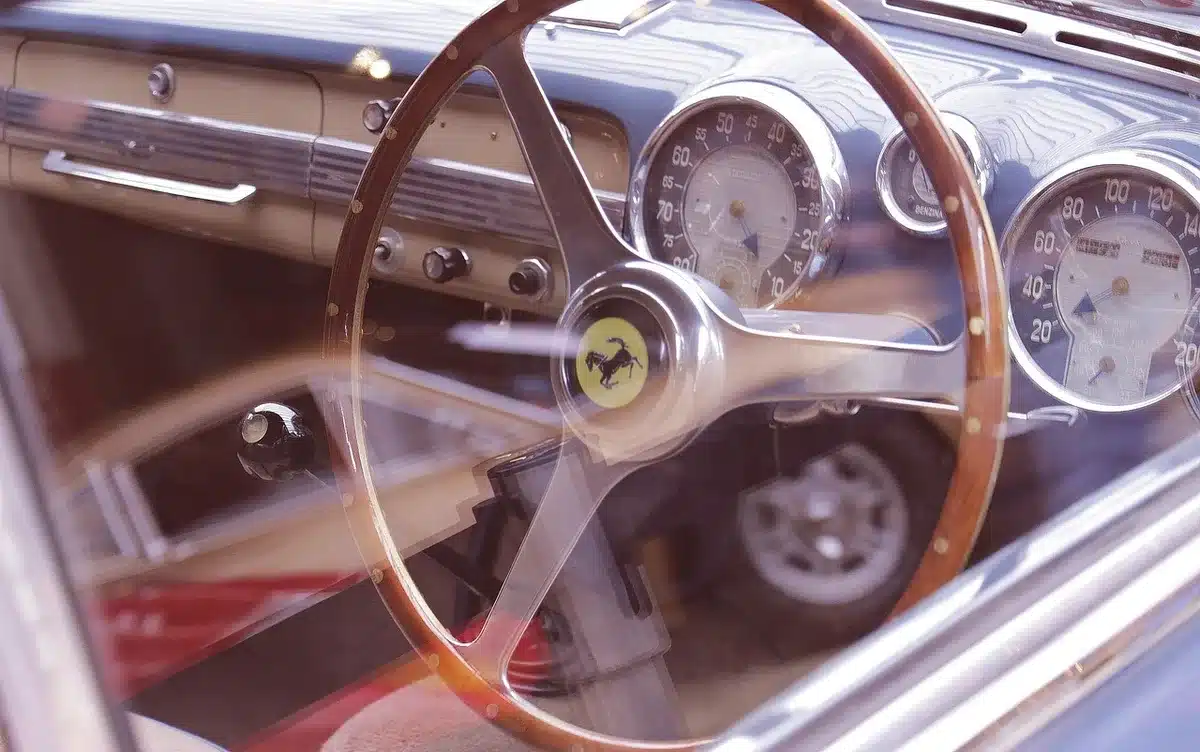
He put the contrast in stark terms: “For normal cars, normal people, the vast majority will be electric,” Rimac said. He compared the situation to the watch market, where smartwatches and digital devices occupy most volume but Swiss mechanical pieces capture the lion’s share of profit: “Only like 5% of watches are made in Switzerland, but that’s where 90% of profits are made. An Apple Watch or any kind of smart watch can do so many more things. But no one will pay $200,000 for it.”
Bugatti’s counterintuitive product strategy
When Rimac’s firm gained control of Bugatti from Porsche and Volkswagen, many expected an all-electric Bugatti to follow. Instead, the company developed the hybrid Tourbillon, which pairs one of the largest naturally aspirated engines ever fitted to a production car with electric drive.
The Tourbillon uses an 8.3-liter V16 that produces about 1,000 horsepower, augmented by electric motors to reach roughly 1,800 hp in total. Rimac noted the odd contrast on his Croatian assembly line: “It’s kind of ironic that I’m now making the world’s biggest combustion engine.”
Exclusivity, customization and high margins
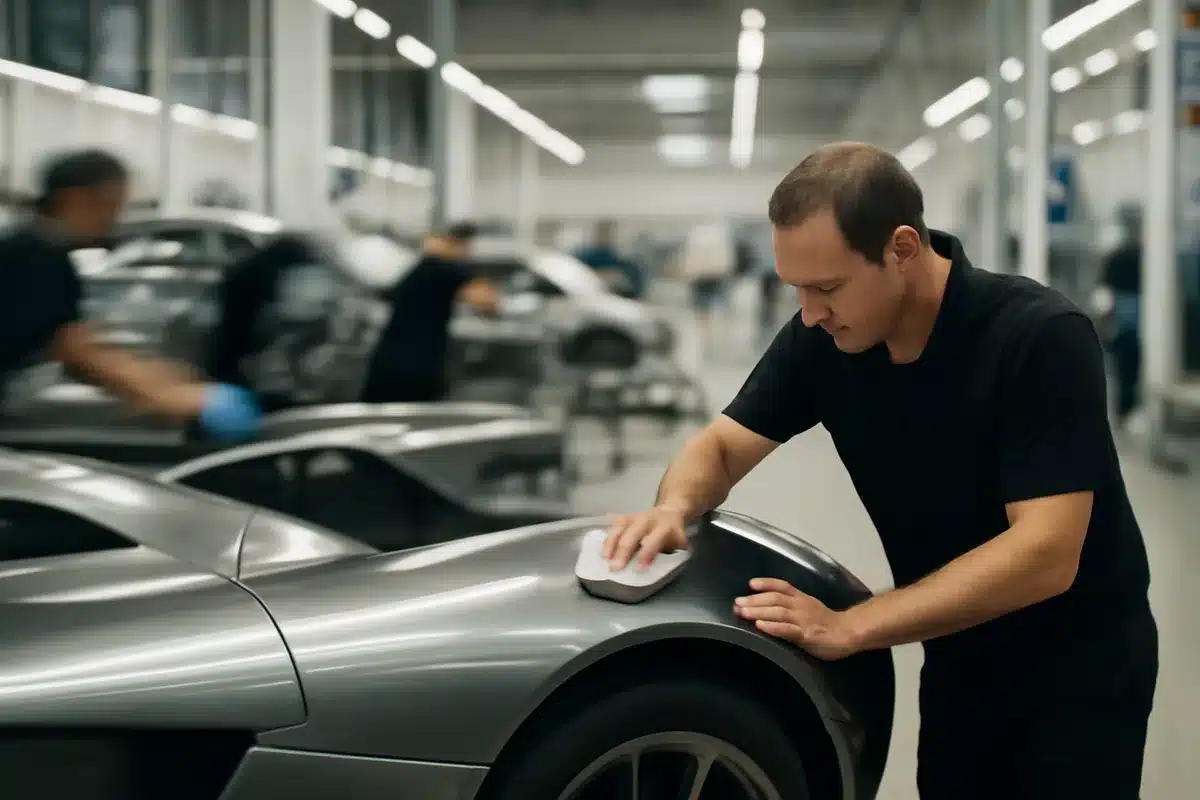
Bugatti will build only 250 Tourbillons, all reportedly sold at a starting price near $4.5 million. Rimac said buyers typically spend an additional $600,000 to $700,000 on bespoke options such as special paint finishes, leathers and unique stitching.
That appetite for personalization has become a major revenue engine for supercar makers. Brands including Bugatti, Ferrari and Lamborghini now routinely offer one-off commissions that can reach into the tens of millions. At Monterey Car Week, Bugatti displayed a new one-off called Destrier, a reworking of its track-focused Bolide with a lower stance and sculptural bodywork.
“For these clients, they want something that’s really theirs, that’s connected with them,” Rimac said. “It tells their story, their personality, their preferences, not just like a car. It’s a story behind it.”
Growth, profitability and ownership moves
Rimac says his priorities for Bugatti are to lift production, improve quality and increase profits, while keeping the brand exclusive. He added production will never rise above “the low three-digit numbers.”
The company reported roughly €200 million (about US$233 million) in EBITDA last year, and Rimac expects profit growth to continue. In April, Porsche agreed to sell its 45% stake in Bugatti Rimac to a consortium led by HOF Capital. While some coverage put a valuation at just over $1.1 billion, Rimac said the company’s value is “substantially higher” than $2 billion.
“What I want to do is make the world’s best cars, the most exciting cars in the world, and have the world’s most profitable car company on a percentage basis,” he said.
Why human craftsmanship still matters
Beyond powertrains and prices, Rimac frames Bugatti’s appeal around the human element. He argues that raw performance is becoming less distinctive as affordable cars deliver impressive speed and technology.
“You can get a car that’s faster than any performance car from 10 years ago for like $50,000 from China,” he said. Instead, Bugatti will emphasize what Rimac calls the “celebration of human skills“: the ingenuity, beauty and craftsmanship that turn a car into a complex work of art capable of extreme speeds while meeting safety and durability demands.