Show summary Hide summary
Scott Kirby has spent a decade reshaping United Airlines after an abrupt exit from American Airlines, positioning United as a stronger global competitor while publicly probing even bigger deals. He says he’s not seeking revenge for being pushed out a decade ago — he wants to win through expansion, new technology and, if possible, larger partnerships.
From quick hire to CEO during crisis
Kirby’s move to United was almost instantaneous: United disclosed his hire as president on Aug. 29, 2016, moments after American revealed his departure. The 59-year-old executive rose to CEO in May 2020 as the industry grappled with the Covid downturn.
Ultra-thin women smoking cigarettes are making a comeback as a fashion trend
Windows Memory Diagnostic explained: what the test does and how to read results
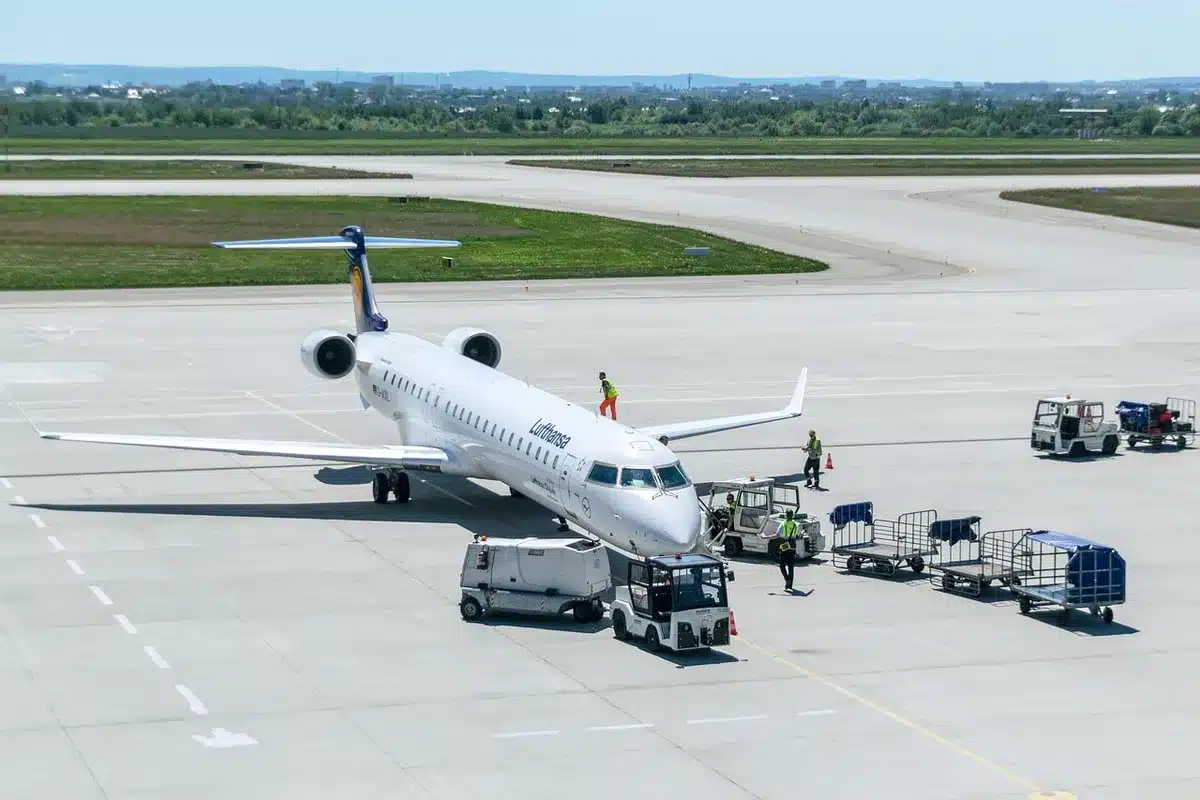
At American, Kirby reached a ceiling he described as the limits of being “No. 2.” That dynamic helped shape his approach at United: more aggressive route pruning early on, and a focus on profitable operations rather than prestige routes. He famously reviewed money-losing flights with a highlighter to decide what to cut and what to keep.
Building presence in New York and overseas
Kirby has set his sights on expanding United's footprint in New York and abroad. United plans to return to John F. Kennedy International Airport through a partnership with JetBlue and is exploring ways to grow there, including buying slots from airlines not flying profitable services.
The carrier already promotes its extensive international network as a loyalty driver and a magnet for high-value customers. United routinely unveils new long-haul destinations with considerable publicity; company executives say fresh routes help sign up travel-rewards cardholders and sustain global demand.
Talks of mergers, met with skepticism
Over the past year Kirby has floated the idea of combining United with other major U.S. carriers. People familiar with internal discussions told The Wall Street Journal that he approached Delta about a potential merger but was rebuffed; Delta declined to comment. American publicly rejected a merger proposal this spring.
Antitrust analysts and some market watchers view such tie-ups as unlikely, and United’s CEO acknowledges any deal would need a willing counterparty. He has also ruled out buying smaller rivals such as JetBlue, saying that is not his plan.
Hubs, route strategy and big infrastructure plays
United has debated major changes in its network over the years. Kirby at one point considered closing bases at Los Angeles International and Washington Dulles, but ultimately kept both. LAX remains a strategic U.S. gateway even though no single carrier dominates it.
Kirby has also pursued major infrastructure wins: he flew from his son’s soccer camp in Brazil to the U.S. capital to join a White House announcement unveiling a proposed $22.5 billion revamp of Dulles International Airport — a sign of how important certain hubs remain to United’s plans.
Technology, punctuality and the long view
Beyond routes and real estate, Kirby says artificial intelligence will help improve the travel experience and reliability. He wants delay notices written plainly for customers and expects AI tools to assist both staff and passengers.
Still, United lagged behind some rivals on punctuality in the first half of the year, placing behind Delta and Alaska Airlines in Department of Transportation on-time metrics. Kirby frames such setbacks as part of the job to manage — not excuses. “I firmly believe in no excuses,” he told reporters, adding that his goal is to avoid further furloughs and to steady the workforce for the long term.
Competitive posture and corporate culture
Kirby is outspoken and strategic. He rejects the notion that his motivation is personal revenge for his firing a decade ago. “Everyone thinks I do, but no, I don’t,” he said, adding simply: “I compete aggressively.”
He also pushed a cultural message to employees: leadership should remove reasons for staff to worry about their jobs. Asked what keeps him awake at night, Kirby replied, “nothing,” saying his role is to build resilience into the company so workers can sleep soundly and focus on serving travelers.