Show summary Hide summary
British Airways is ripping out dozens of economy seats to create what it calls the “world’s largest” business-class cabin on its Airbus A380s — a striking signal that carriers are increasingly banking on wealthy flyers. The changes are part of a broad refresh of BA’s fleet and London Heathrow ground services, including upgrades to its lounges.
What will change on the A380
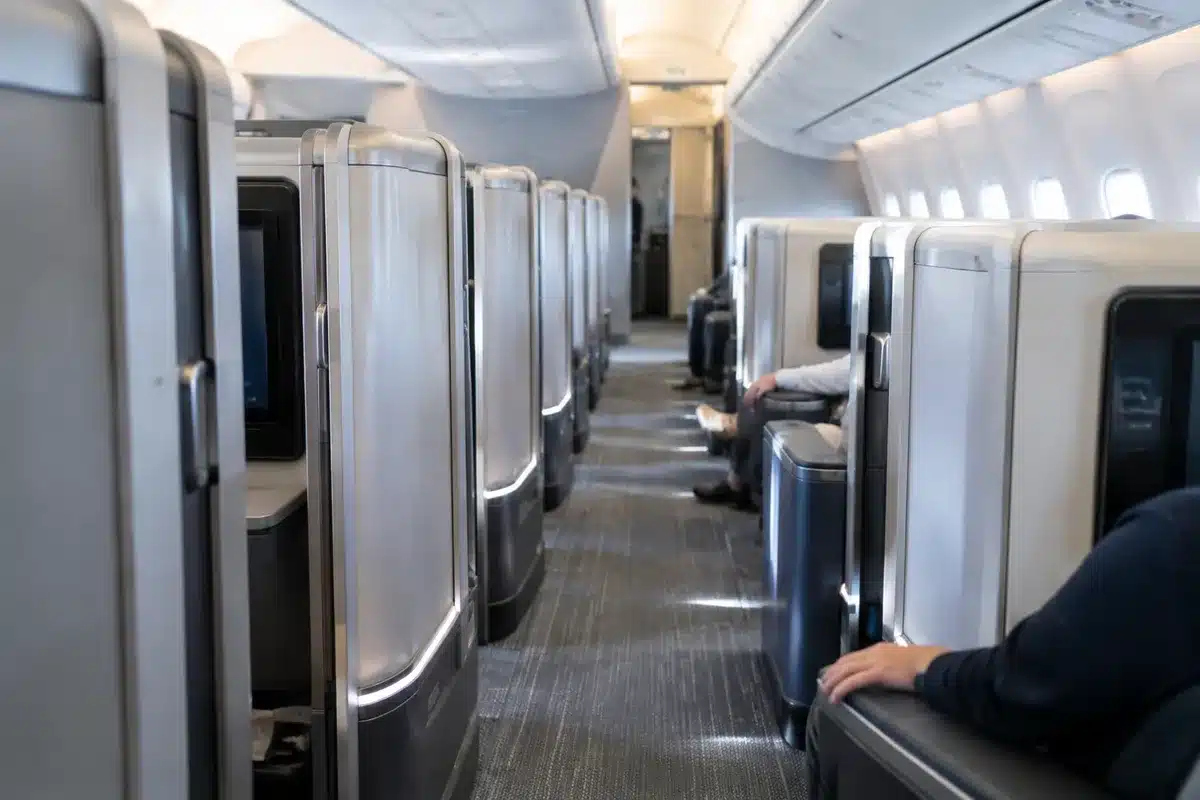
On BA’s 12 A380s the airline plans to transform the upper deck into an all-business space with 106 suites featuring sliding doors, up from the current 97 business-class seats. First class will be reduced to 12 suites from 14, while premium economy expands to 84 seats from 55. Standard economy will shrink sharply, falling to 215 seats from 303.
Ultra-thin women smoking cigarettes are making a comeback as a fashion trend
Windows Memory Diagnostic explained: what the test does and how to read results

British Airways says the new business cabins will occupy the entire upper deck of the superjumbo, a notable reconfiguration that shifts space away from mass-market seating toward higher-margin products.
Industry momentum behind premium cabins
Airlines worldwide have been redesigning cabins and spending heavily to add more upscale seats, aiming to meet demand for greater privacy and comfort on long-haul routes. The trend is visible across carriers: BA’s joint-venture partner, American Airlines, recently introduced a 70-seat business-class layout on its largest Boeing aircraft, and other operators are following suit.
Qantas CEO Vanessa Hudson told CNBC that a segment of customers is willing to pay for premium space on long flights. “There is absolutely a customer who wants this and is prepared to pay a premium for it,” she said.
What it costs travelers — and airlines
Premium seating commands significant fees. Even extra legroom can add more than $200 per transatlantic leg, and passengers who upgrade to premium economy after booking have faced surcharges above $1,000. Fully flat business and first-class cabins commonly list for several thousand dollars; on longer routes top seats can run into the high thousands, and sometimes exceed $10,000.
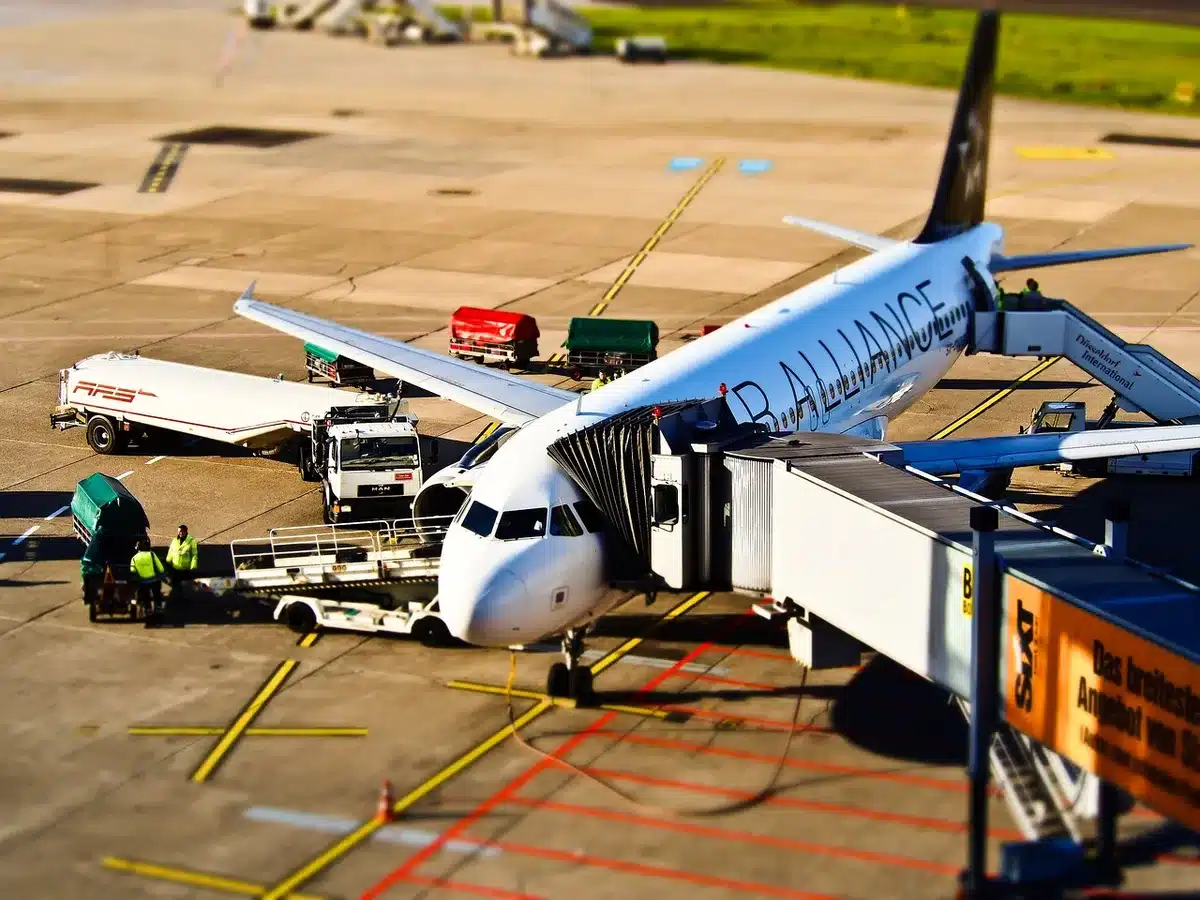
For carriers, delivering these elaborate seats has become more complex. Some new configurations have delayed aircraft deliveries while airlines wait for parts or government certification for novel seat designs.
Why the bet on the A380 matters
BA’s move is also a statement of faith in the A380, a type that many airlines retired in recent years in favor of smaller, fuel-efficient jets. Airbus delivered the final A380 to the plane’s biggest operator, Emirates, in late 2021, yet BA is choosing to reinvest in the model by converting capacity into premium products.
The reconfiguration underscores a strategic choice: prioritize fewer seats that bring higher revenue per passenger rather than maximizing total capacity. For travelers and industry observers, the changes illustrate how airlines are reshaping the long-haul experience to appeal to high-spending customers.