Show summary Hide summary
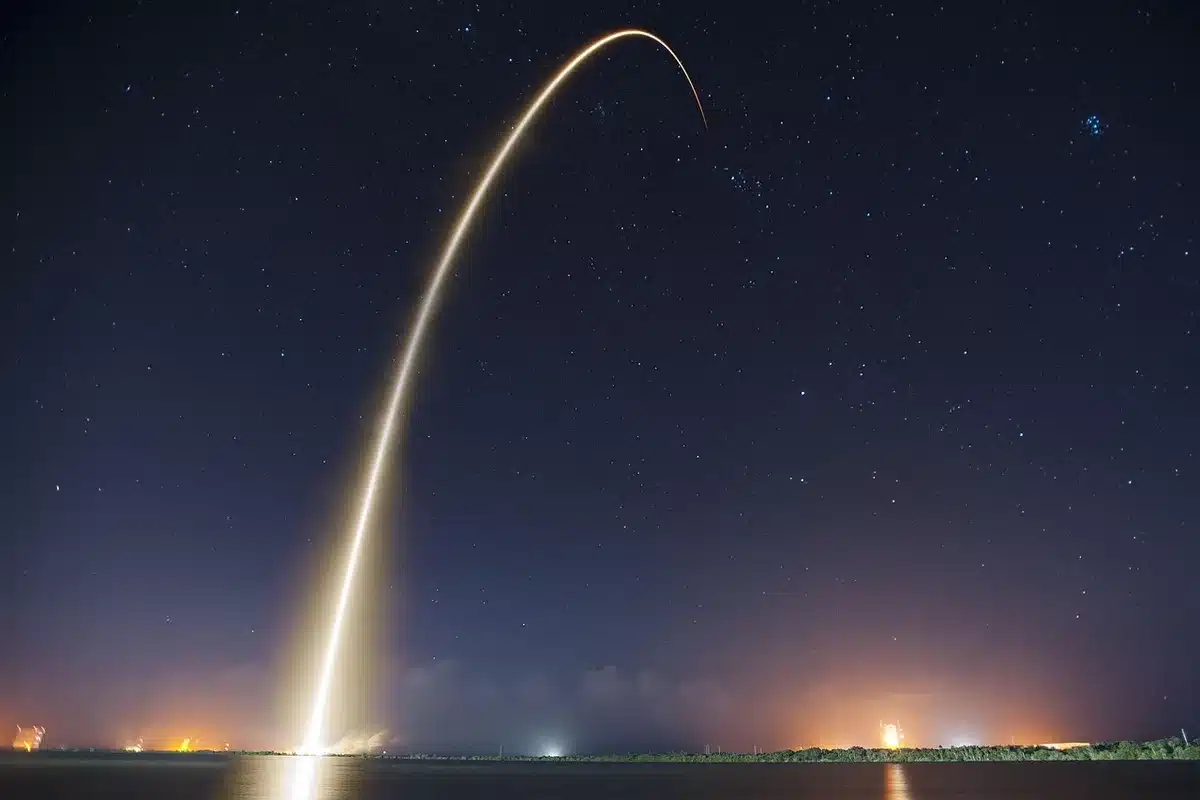
When Blue Origin’s 320-foot New Glenn rocket shattered during a hotfire test at Cape Canaveral on May 29, the blast did more than damage a launch pad — it generated ultra-low-frequency sound waves that traveled across the continental United States, reaching listening stations as far away as northeast Texas. Researchers say those faint vibrations allowed them to calculate the explosion’s energy, which they estimate was comparable to the initial blast at Chornobyl.
Infrasound carried the blast more than 1,000 miles
Scientists analyzing data for a study published Aug. 12 in the journal The Seismic Record found infrasound — sound below human hearing — from the event at 36 monitoring stations. The most distant detection came from a station roughly 1,046 miles (1,684 km) from Cape Canaveral.
Ultra-thin women smoking cigarettes are making a comeback as a fashion trend
Windows Memory Diagnostic explained: what the test does and how to read results

Because these low-frequency waves travel efficiently through the atmosphere, they provided a unique dataset. Study lead author Elizabeth Silber, a physicist and planetary scientist at Sandia National Laboratories, said the detections offered “a very rare opportunity” to examine a large, real-world energetic event in detail.
What happened at Cape Canaveral
The explosion occurred during a static “hotfire” test of New Glenn’s reusable booster just days before a planned fourth launch. Debris and a towering mushroom cloud were visible after the failure, though no one was injured.
Blue Origin later identified a likely cause: on Aug. 5 the company said a faulty oxygen valve was the probable trigger, according to reporting by Space.com. The firm has not attempted another New Glenn launch since the accident.
Damage to the launch complex is substantial. Ars Technica reported that repairs could take at least a year, a setback that could also affect missions that planned to use New Glenn — including some elements of a proposed NASA lunar architecture.
How strong was the blast?
By combining the frequency content and travel distance of the recorded infrasound, the research team estimated the blast had an explosive yield of about 0.131 kilotons of TNT — roughly 144 U.S. tons. The authors note that is slightly higher than the initial energy release attributed to the 1986 Chornobyl reactor explosion in a 2009 analysis.
The investigators also used the signals to gauge propellant involvement. Although the booster’s total cryogenic fuel load is not publicly known, the study estimates that between 3% and 6% of the propellant was consumed in the initial explosion. The researchers caution that, in large propellant accidents, not all material reacts at once; some contributes to an initial shock while other fuel continues to burn in the fireball and plume.
Broader lessons and uses for infrasound
Beyond reconstructing this single event, the team says infrasound monitoring is an underused tool for tracking major spacecraft accidents and large explosions worldwide. The same approach has helped the group follow meteors and re-entering spacecraft, including the OSIRIS‑REx return capsule in 2023.
Local witnesses reported a thunderous boom and a shockwave felt across a wide area; Florida Today documented reports of the wave being noticeable up to about 135 miles from the launch site. For investigators, however, the faint signals recorded at national infrasound stations provided the clearest measure of the blast’s energy and reach.