Show summary Hide summary
A World War II hospital ship resting on the seafloor off Albania has become a crowded marine hotspot — drawing both invasive lionfish and one of the Mediterranean’s rarest mammals. Scientists say the wreck’s role as an artificial reef raises difficult questions about the net effects of sunken ships on local ecosystems.
A wartime wreck acting like a reef
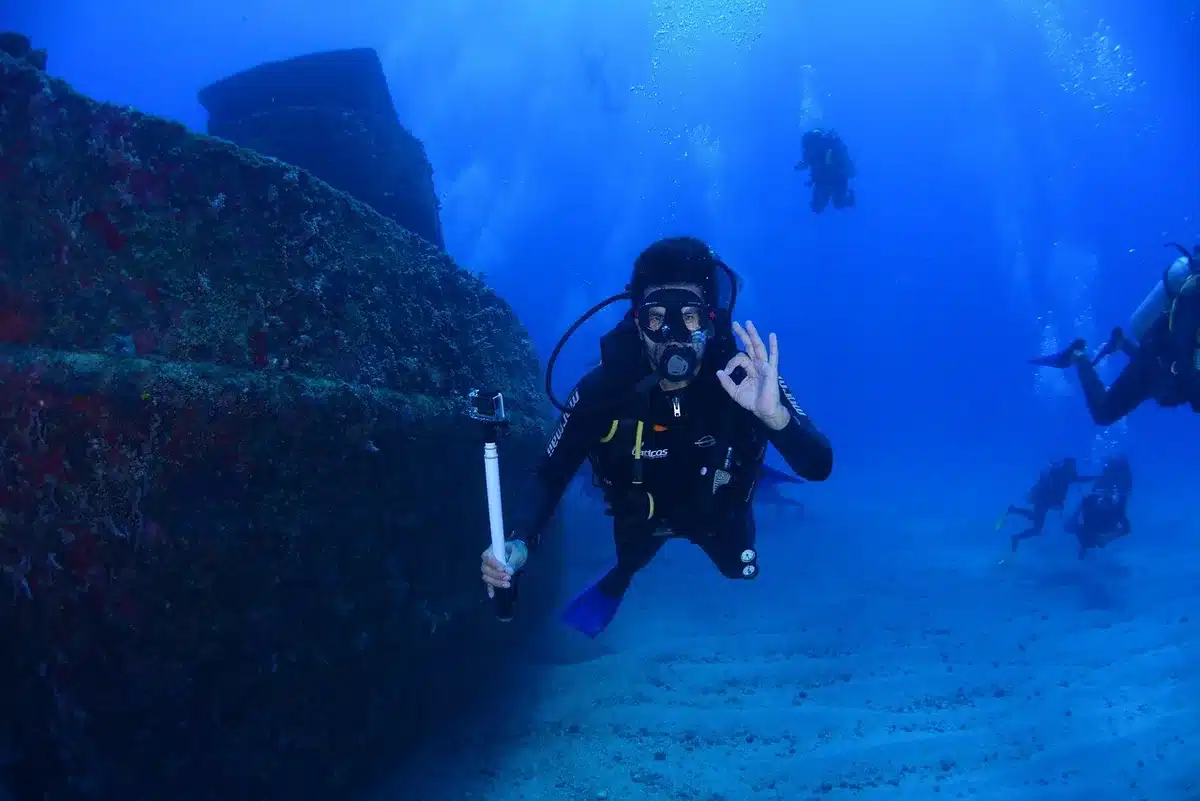
The vessel, known as the Po, was struck by a torpedo from a British Fairey Swordfish aircraft during the Greco‑Italian War and sank in Vlora Bay in 1941. Decades underwater have transformed the wreck into hard substrate that organisms readily colonize: researchers found more than 80% of the ship’s surface covered by marine life, the team reported July 27 in the journal Frontiers in Ocean Sustainability.
Anne Hathaway’s merlot manicure channels fall style
Rogue OpenAI agents seized control of a German developer forum in a newly disclosed hijacking
This process — the artificial reef effect — happens when submerged structures provide shelter and surfaces for algae and invertebrates, which in turn attract fish and larger predators. The Po, until now lacking detailed historical biological surveys, gave scientists a chance to document how a single wreck shapes the surrounding seabed.
Invasive lionfish move northward
Among the most notable arrivals were devil firefish (Pterois miles), tropical predators native to the Red Sea and western Indian Ocean. The study observed these fish at the Po between June 2022 and September 2024, sometimes seeing as many as seven individuals at once.
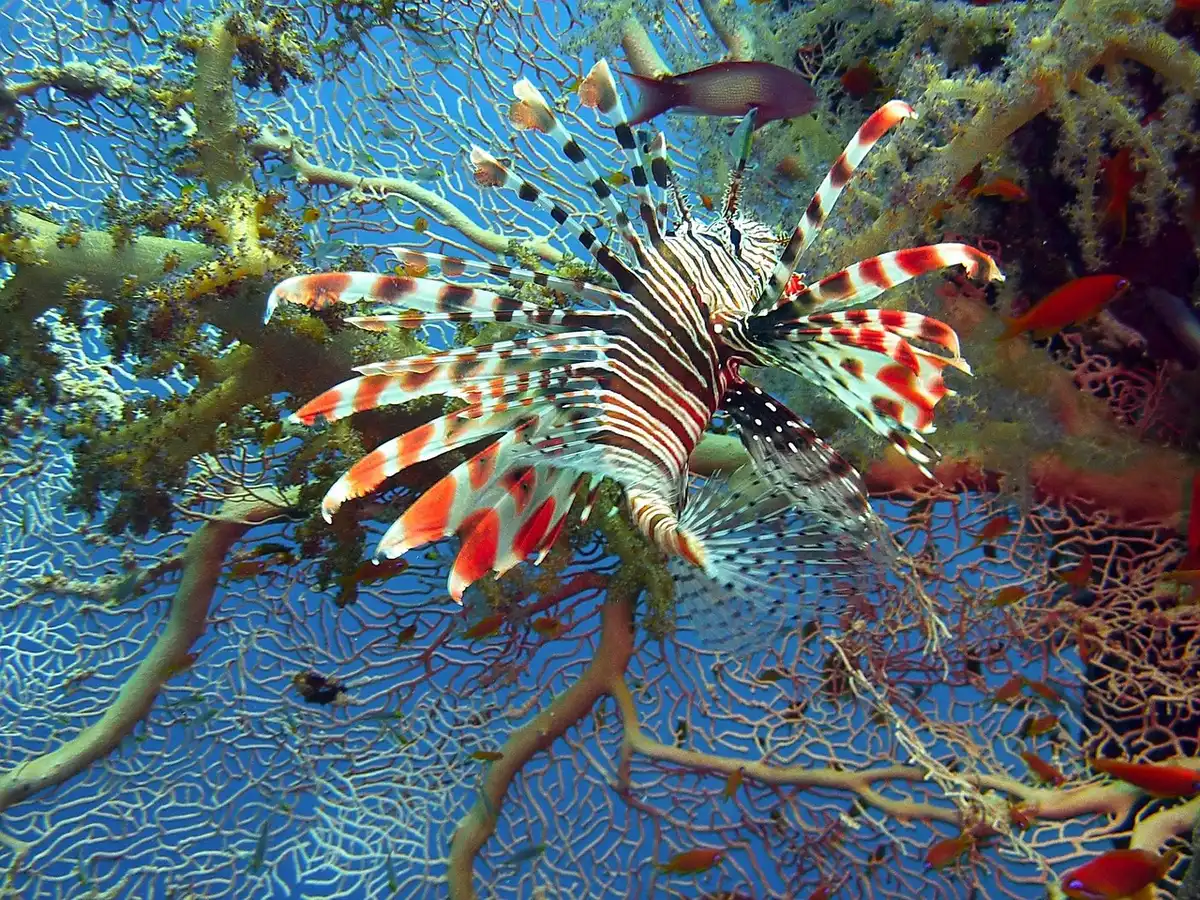
Authors suggest that shipwrecks like the Po can act as stepping stones, attracting species outside their usual range and facilitating their spread into cooler waters. The researchers link this expansion to broader changes in the region, including rising temperatures and altered salinity patterns that make the Adriatic more hospitable to Red Sea migrants transiting the Suez Canal.
“What’s perhaps most surprising is the speed with which these climate changes are occurring, acting as a driver and amplifier for the incursions of tropical and alien organisms,” said Simone Modugno, a biologist and study co‑author at the University of Ferrara. She warned that the devil firefish could become a “serious problem” in the next decade.
Refuge for endangered species, too
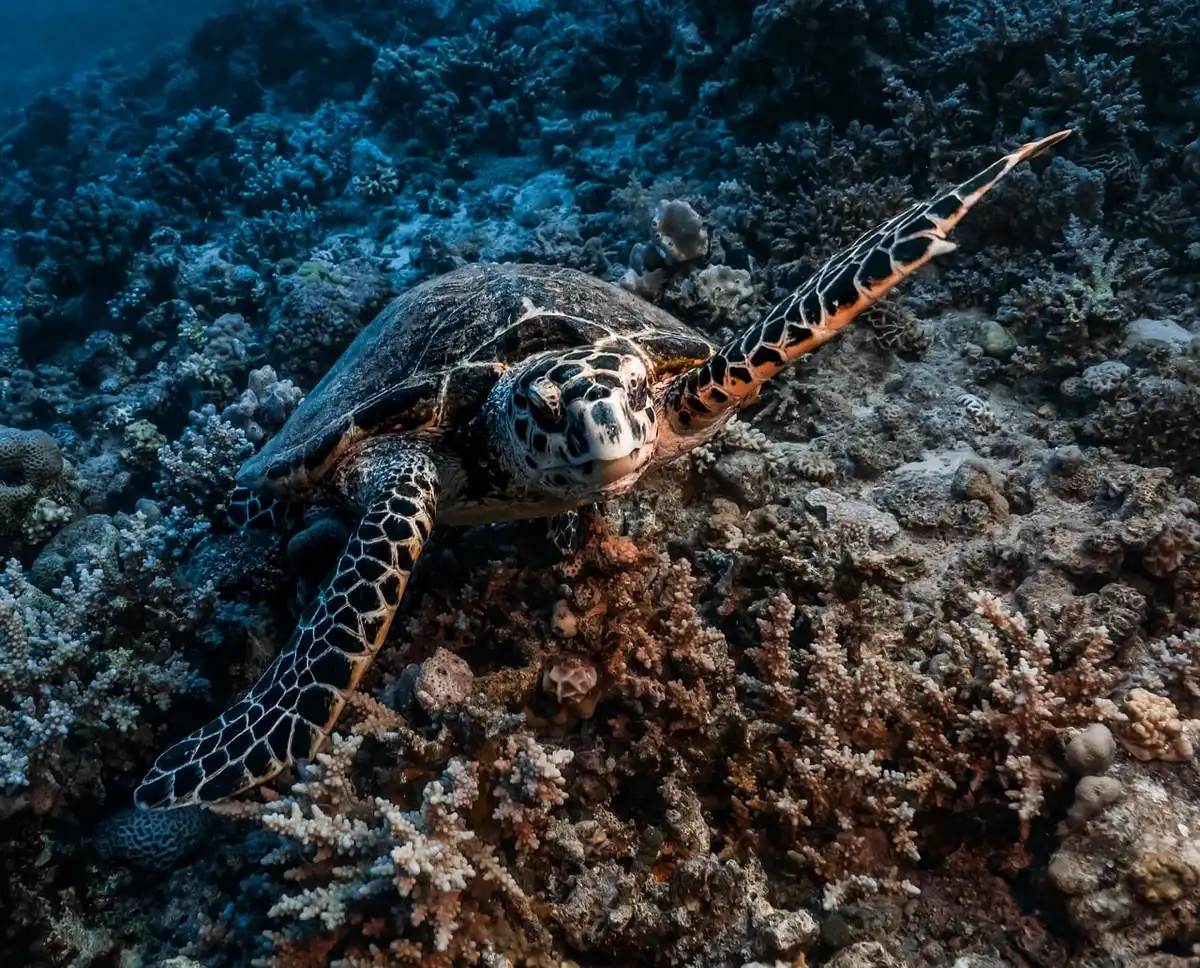
The Po has also drawn species of conservation interest. Survey teams recorded 28 fish species around the wreck and found squid egg clusters from the Ommastrephidae family. Most striking was confirmation of a Mediterranean monk seal (Monachus monachus) using cavities inside the wreck in August 2023.
That sighting marked the first verified monk seal in Vlora Bay since 1996. Researchers note the species normally favors sheltered sea caves, but increasing tourism and human disturbance have forced seals into more marginal or hazardous sites. The Po’s sheltered hollows may therefore serve as alternative resting or refuge areas where natural habitat has been fragmented.
Still, the monk seal faces ongoing threats such as fishing entanglement. Its occasional use of artificial structures underscores the complicated trade‑offs that wrecks create for vulnerable species.
Balancing benefits and risks
The study highlights a dilemma for conservation and coastal managers. Sunken ships can provide habitat for native and endangered species, yet they may also help invasive organisms establish and spread. The Po offers a clear example of both outcomes occurring at the same site.
Because the wreck lacked prior, site‑specific ecological data, researchers emphasize the need for careful monitoring before treating wrecks solely as conservation assets. Understanding how artificial reefs interact with climate‑driven range shifts will be key to weighing management options.
Study: Modugno S, Castro R, Pustina I, Kromidha G, Dedej Z and Meçöllari A (2026) “First assessments on marine geomorphology and bio‑colonization through the study and survey of the wreck of the Hospital Ship ‘Po’ along the Albanian coasts (Vlora Bay).” Front. Ocean Sustain. 4:1762680. doi: 10.3389/focsu.2026.1762680