Show summary Hide summary
Yellow fever is resurfacing in places that had been free of the disease for decades, driven in part by warmer temperatures and more extreme weather. Scientists warn that these changes are making environments more hospitable to the mosquitoes that transmit the virus, raising the risk of new outbreaks in unexpected regions.
Why the virus is once again a concern
Yellow fever is caused by the yellow fever virus, a member of the Flaviviridae family. Most infections cause fever, muscle aches and nausea, but roughly 15% of cases progress to a severe form marked by jaundice, bleeding and organ failure. Fatality among severe cases is high—estimated between 20% and 50%—and annual deaths are thought to range from about 31,000 to 82,000 worldwide.
Anne Hathaway’s merlot manicure channels fall style
Rogue OpenAI agents seized control of a German developer forum in a newly disclosed hijacking
A vaccine introduced in 1937 dramatically reduced the disease’s footprint, especially in cities. Yet infections have been increasing over the past three decades, prompting the World Health Organization to launch a strategy in 2017 aimed at eliminating yellow fever epidemics by 2026. Still, experts say climate-related shifts are complicating those efforts.
“Yellow fever is a highly deadly disease,” said Dr. Joelle Ivy Rosser, an infectious-disease researcher at Stanford University, adding that any environmental changes that raise the odds of outbreaks are “highly concerning.”
How warming and weather extremes change transmission
Temperature affects both mosquitoes and the virus they carry. Warmer air speeds mosquito metabolism, so they feed more often. Heat also shortens the virus’s extrinsic incubation period—the time needed for a mosquito to become infectious after biting an infected host—allowing faster local transmission, said Dr. Seth Judson, an infectious-disease physician-scientist at UCLA.
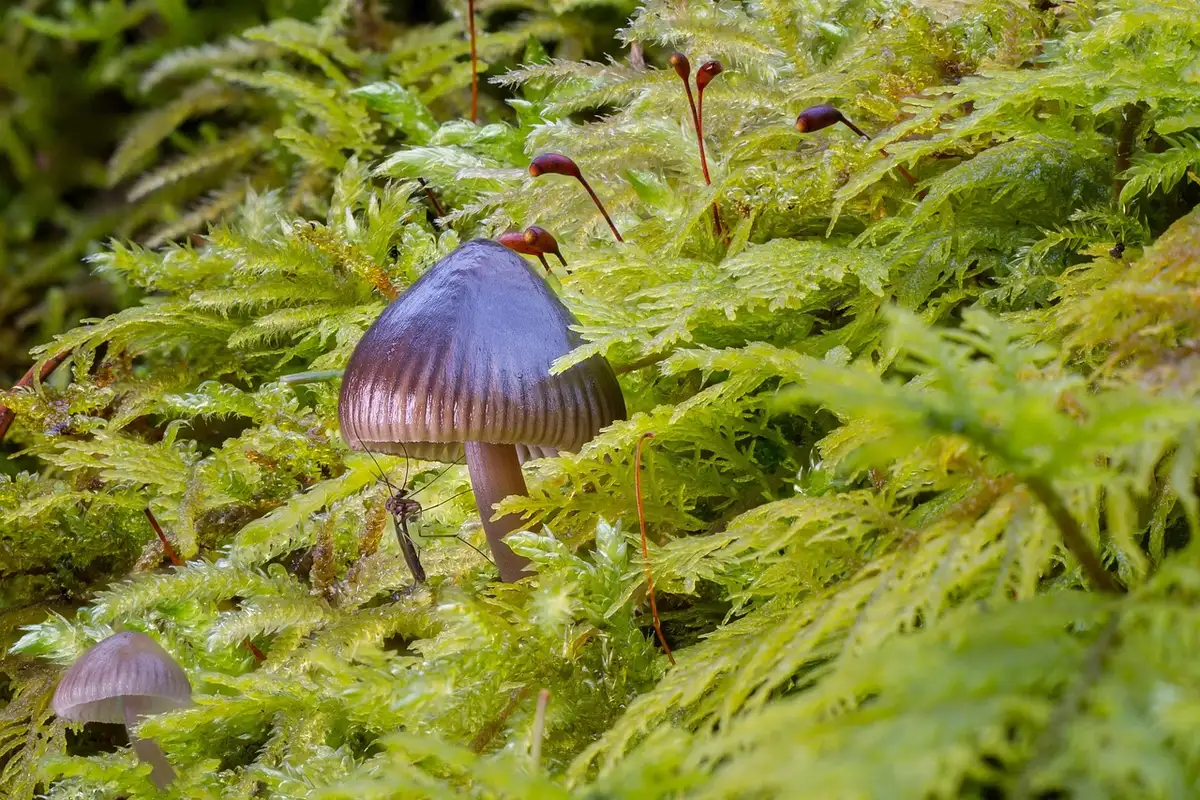
Weather extremes in either direction can increase risk. Heavy rains create abundant breeding sites, while drought can push forest-dwelling animals and their mosquitoes toward human settlements in search of water. That dynamic appeared to play a role in Brazil’s 2017–2018 urban outbreak in and around Belo Horizonte and São Paulo, according to a study examining the event.
Jamie Caldwell, a disease ecologist at Princeton University, noted that drier conditions can make mosquitoes more likely to bite as they search for fluids—another pathway by which drought can amplify transmission.
Forest edges, land use and spillover
Most human yellow fever infections begin with spillover from nonhuman primates. Monkeys such as howlers and marmosets can carry the virus; when forest mosquitoes bite those primates and then humans, the virus can jump into people. The main urban vector that sustains epidemics in cities is Aedes aegypti, a mosquito adapted to living near humans.
Land-use change is increasing contact between people, wildlife and mosquitoes. “Humans are expanding the agricultural frontier and encroaching on forests where yellow fever mosquitoes … are found,” Gabriel Parra-Henao, a biologist with WHO, said, noting that such expansion elevates exposure to bites.
Researchers are already seeing yellow fever outside historical zones. In work released as a preprint, Judson reported that the virus has reappeared in a portion of the Colombian Andes where it had not been documented since 1940—an example of how range maps are shifting.
What the risk looks like for the United States
Models and climate projections suggest the geographic reach of vector mosquitoes will continue to expand. One study cited in this reporting projects that, under a high-emissions scenario, nearly a billion people could face first exposure to Aedes aegypti within the next century. Europe is forecast to see the largest relative increase in exposure, but North America—both the U.S. and Canada—also shows rising suitability.
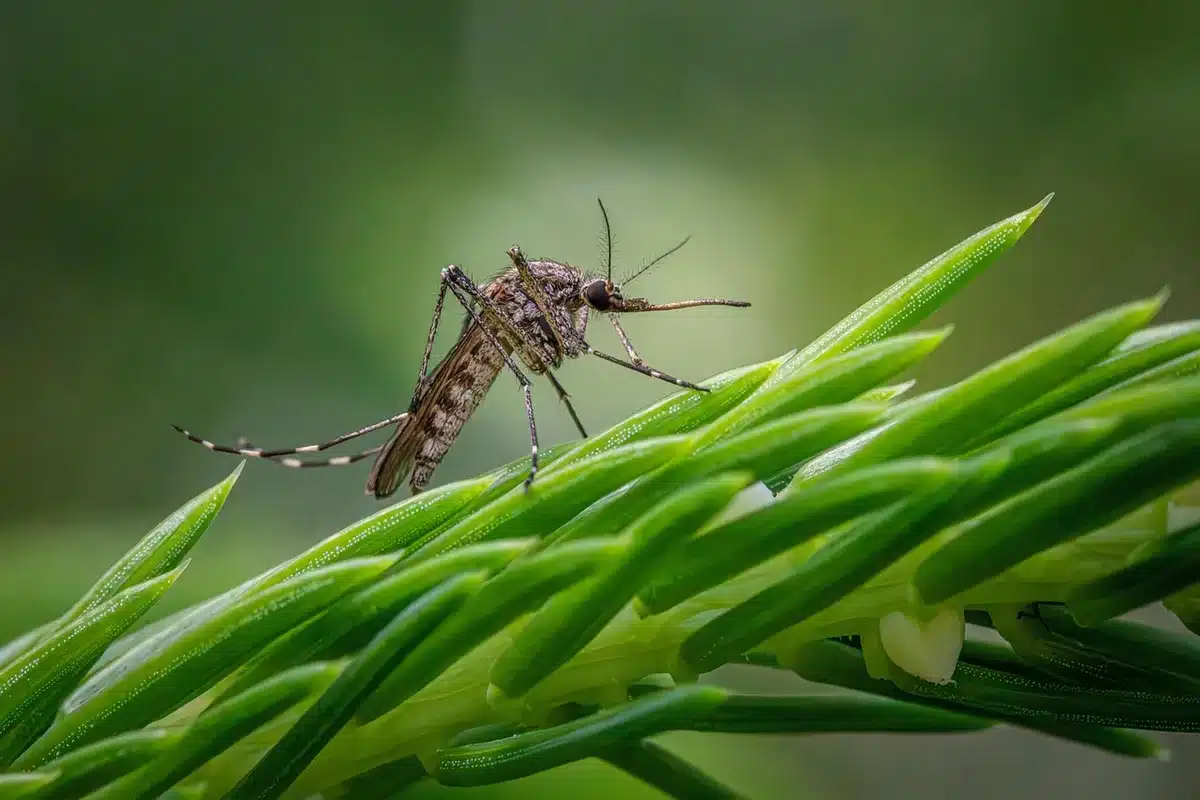
The mosquito already inhabits parts of the United States, including Florida, Mississippi, Arizona and New Mexico. Warming could allow it to survive farther north; one model projects it could reach as far as Chicago by 2050. For yellow fever itself to reestablish, however, the virus would need to be introduced into local mosquitoes—most likely when infected travelers return from regions where the virus circulates.
“If yellow fever virus reestablished itself in our local Aedes aegypti population, then that would be very concerning,” Rosser said. Judson added that while local transmission would require multiple introductions and sustained infections among travelers and residents, “it’s in the realm of possibility.”
Some researchers emphasize that outcomes would depend heavily on infrastructure and preparedness. Jamie Caldwell pointed out that access to vaccines, medicines and piped water reduces standing water and mosquito breeding in wealthier cities, which would likely limit the scale of any outbreak. “So it is a concern, but it’s never going to be the next COVID,” she said.
Prevention, surveillance and the uncertain next phase
Public health experts stress several safeguards: continued surveillance to detect infections early, wider vaccine availability in endemic areas and for travelers, and conservation measures that reduce risky contact between humans, primates and forest mosquitoes.
The WHO’s campaign against yellow fever is scheduled to conclude at the end of this year, and officials are discussing what role international coordination will play going forward. Judson urged renewed attention. “We think of yellow fever as this historic disease,” he said. “I think many people don’t realize that we’re still seeing significant yellow fever outbreaks… It’s really important to be aware of the risks and think about how we prepare for that.”