Show summary Hide summary
E.l.f. Beauty has moved beyond makeup counters and into music with the release of a new album, a move the company says is meant to deepen audience connection as it ramps up marketing. The project is one example of retailers increasingly blending shopping and entertainment to capture younger consumers’ attention.
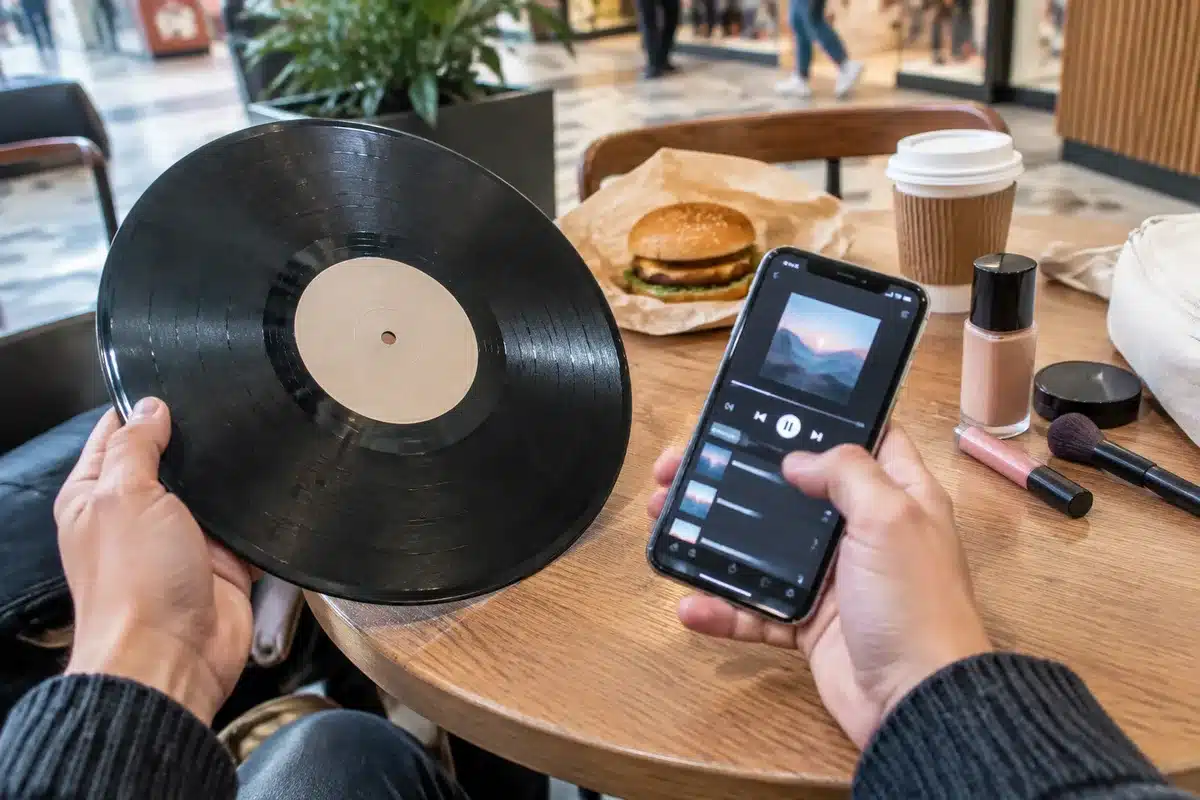
The album, titled Mirror Mix, features tracks from seven emerging artists and is available on major streaming platforms including Spotify, Apple Music, Amazon and Roblox, according to a company press release. The lineup reportedly includes a WNBA player and a Grammy-winning songwriter, part of e.l.f.’s effort to spotlight independent voices while expanding its cultural reach.
Patrick O’Keefe, e.l.f.’s chief integrated marketing officer, told CNBC that music and community-focused programming are designed to create stronger emotional ties with customers and shift how people talk about the brand. Mirror Mix follows the company’s 2024 release, Get Ready With Music, The Album, and builds on earlier success from the 2019 viral track “eyes.lips.face.,” which helped the brand gain traction on TikTok.
Practical steps to change what Claude remembers
How the College Football Playoff reached 24 teams and reshaped the bracket
Beyond recorded music, e.l.f. has invested in other entertainment experiments: a TikTok reality series, an early channel presence on Twitch and live-shopping events. CEO Tarang Amin has described the company’s approach as deliberately aimed at creating standout moments that generate buzz and sustain consumer demand.
Where retail meets entertainment
E.l.f. is part of a broader trend in which retailers use cultural content to engage shoppers. Clothing chain Gap recently announced a multiyear partnership with boy band Just Your Type (JYT) to develop a docuseries, a national mall tour and a clothing line — the first initiative under Gap’s new Fashiontainment platform. Pam Kaufman, Gap’s chief entertainment officer, will lead the effort, which the company frames as more than a conventional campaign.
The move follows years of restructuring at Gap, during which the retailer closed around 2,000 stores and saw a significant sales decline. Executives argue that traditional advertising no longer suffices, and that storytelling and cultural relevance now help drive customer engagement.
Fast-food chain Wendy’s has also experimented with music, releasing an emo-themed album, Songs to Listen to in a Wendy’s Parking Lot, featuring comedic tracks such as “She Said She Didn’t Want Fries.” The lead song has exceeded 450,000 streams on Spotify, and the campaign generated large engagement on Instagram. Wendy’s CEO Bob Wright has singled out marketing as a strategic priority as the company seeks to convert brand recognition into foot traffic.
Industry research supports this focus on culture. A United Talent Agency report released in June found that cultural relevance strongly influences Gen Z: roughly 90% notice culturally relevant brands, 87% view them more favorably, 81% consider buying and 68% ultimately purchase from them.
E.l.f.’s marketing spend
Measuring the payoff of these experiments, e.l.f. tracks unaided brand awareness — consumers’ ability to name the brand unprompted — which the company says has climbed from 13% to 45% over five years. The brand also reported that profits doubled in its most recently reported quarter, marking its 30th straight quarter of growth.
To sustain momentum, e.l.f. has been channeling a substantial share of sales back into promotion. More than 20% of net sales in the fiscal first quarter were reinvested in marketing and digital efforts, and the company expects that share to increase through the year.
Part of the marketing budget boost will come from a one-time inflow: e.l.f. received $50 million in the three months ending June 30 after the Supreme Court struck down the so-called “liberation day” tariffs imposed during the prior administration and a federal judge ordered refunds. CEO Tarang Amin told CNBC in August that the company plans to reinvest those funds into pricing and marketing across its brands to strengthen demand.