Show summary Hide summary
Ancient DNA recovered from a colonial-era burial ground in Montreal suggests that common family tales of Indigenous forebears may not reflect widespread biological mixing in the city’s early French community. A new study, published Oct. 5 in the journal PNAS, analyzed remains from a single cemetery and found no genetic evidence of Indigenous or African ancestry among the tested individuals.
Where the samples came from and how they were tested
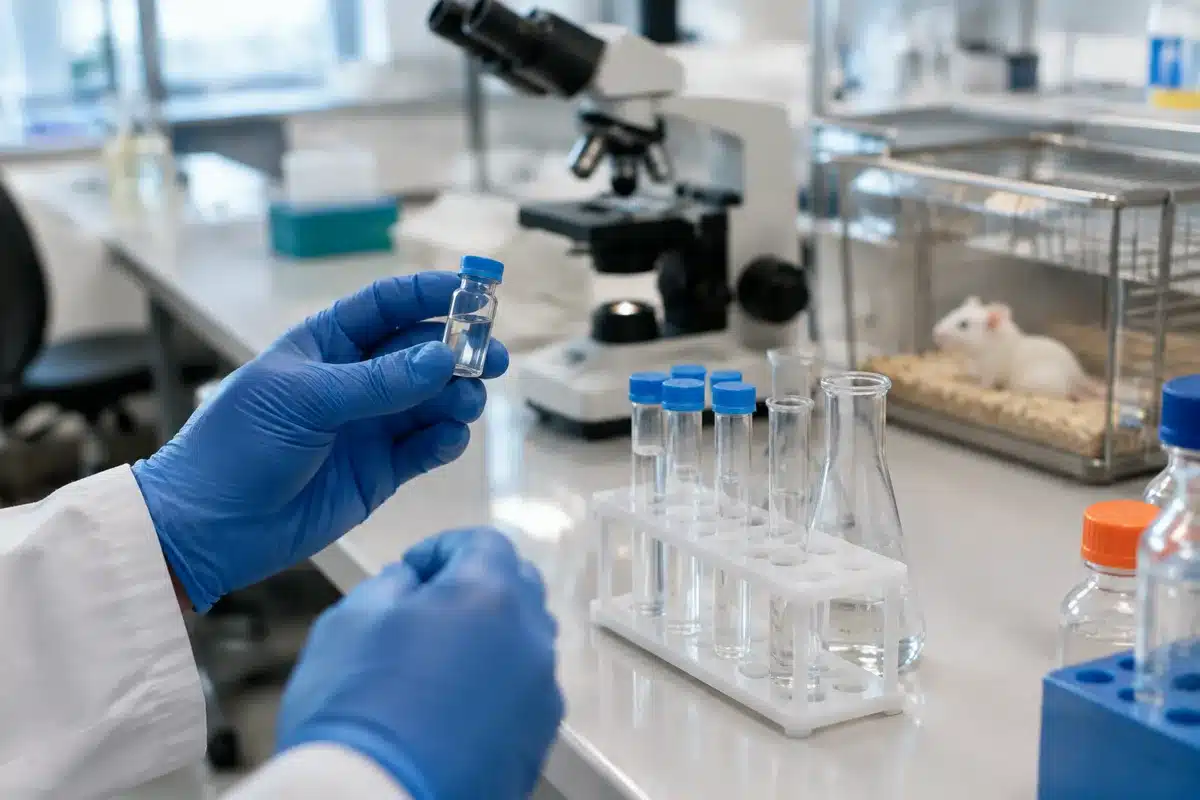
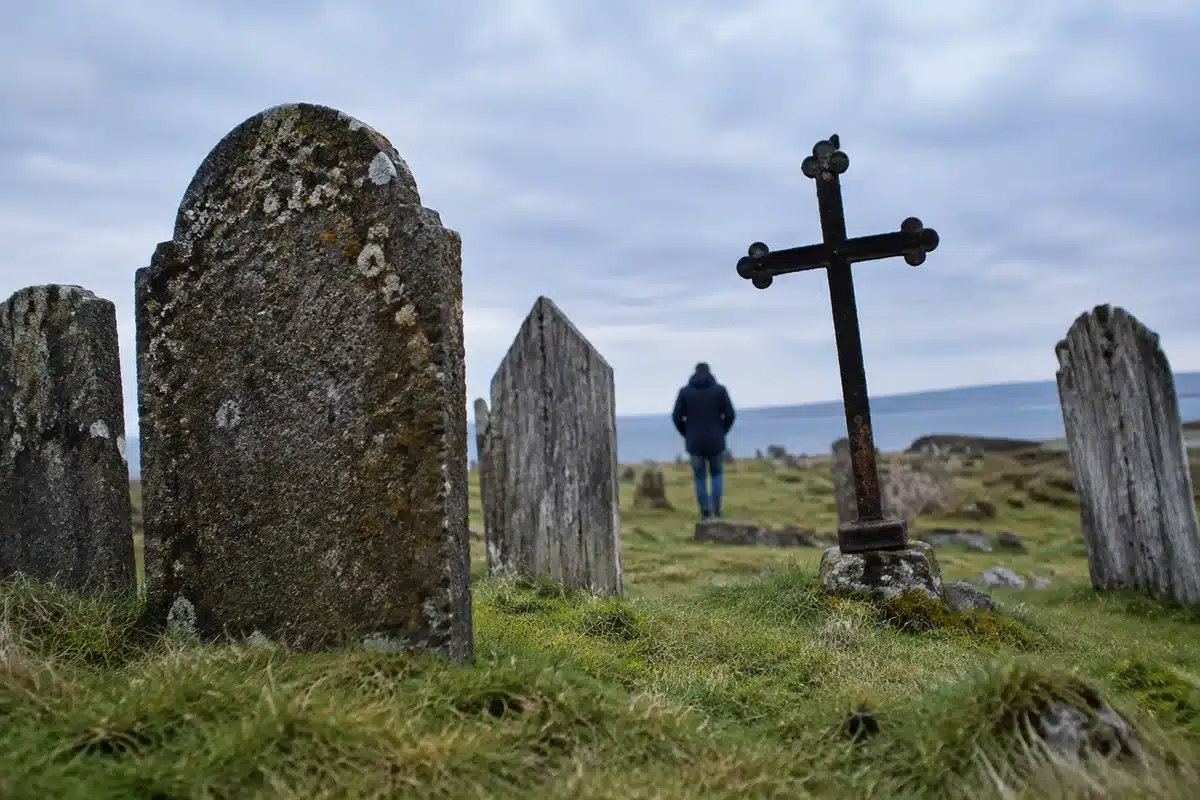
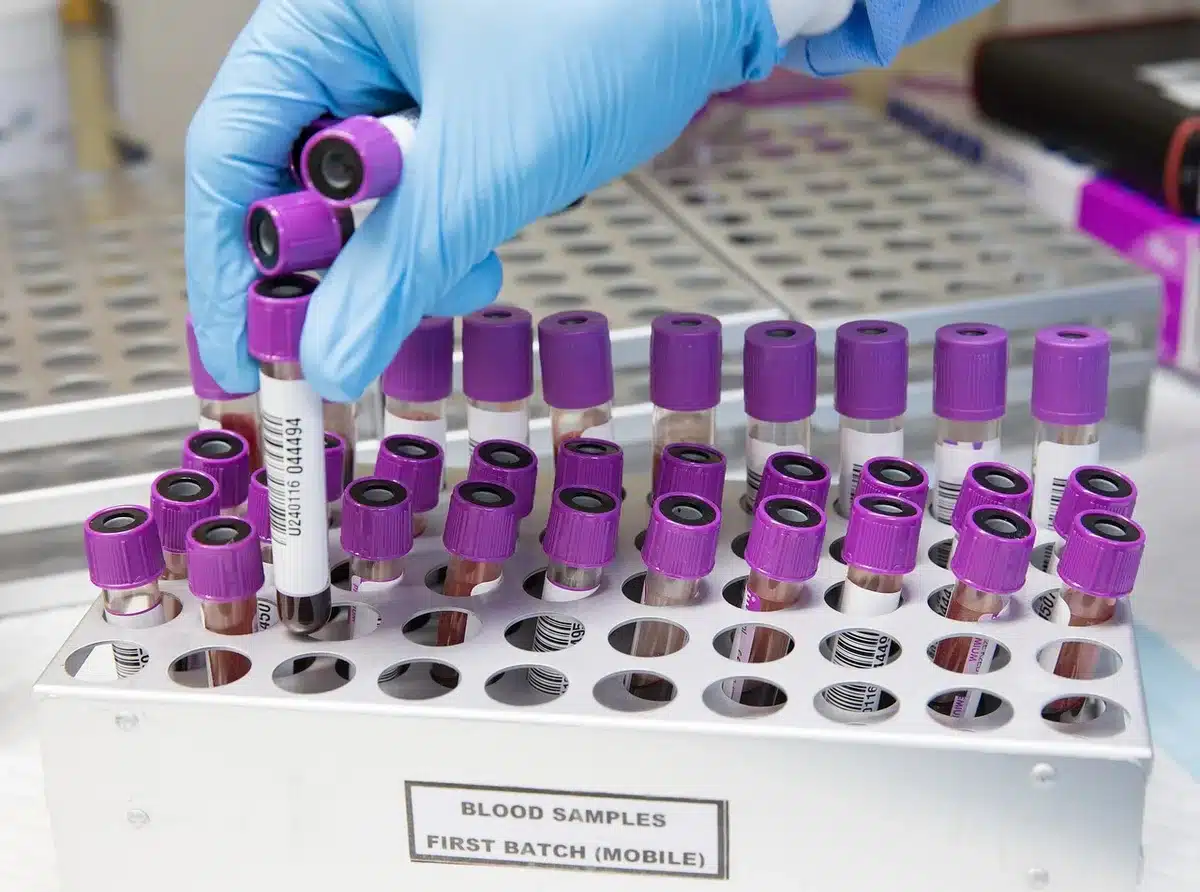
Researchers focused on Notre-Dame Cemetery, established in Montreal in 1683 and used for Catholic burials until 1796. Archaeologists sequenced DNA from skeletal remains recovered at the site and compared those genomes with reference populations from Europe, West Africa and Indigenous groups across the Americas.
Lucy Hale speaks out after TikTok backlash over Pretty Little Liars
Former YMU Global exec opens London agency representing creators, including Topjaw’s Jesse Burgess
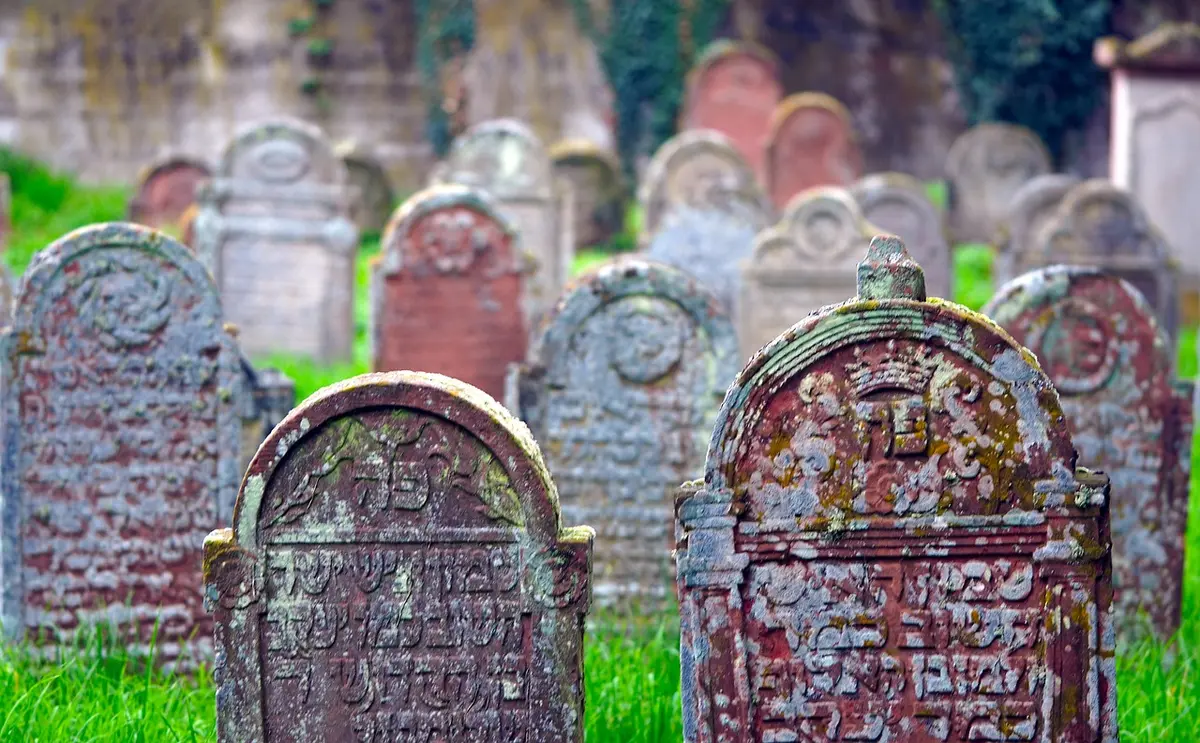
The team retrieved genetic data from 45 individuals. Their analysis aimed to resolve longstanding disagreements among specialists about whether the cemetery contained people of European, Indigenous, African or mixed descent.
What the genetics show
The genetic results were clear for this sample: all individuals carried signatures consistent with French European ancestry, and the study found no Indigenous or African admixture that would indicate recent cross-population ancestry among the buried group.
Study lead Diane Martin‑Moya, a biological anthropologist, has noted that stories of Indigenous ancestors are common in Quebec and that the growth of commercial genealogy and consumer DNA testing has amplified such claims. She also warned that asserted or distant Indigenous identities can have consequences for the recognition and rights of Indigenous nations.
Burial patterns and family ties
Although the genetic analysis identified several lineages that persisted across generations, the graves were not clustered as clear family plots. Instead, burials were scattered across different sections of the cemetery.
That pattern suggests community burial practices that were not strictly organized around biological kinship. As one outside expert observed, the findings point to a situation in which social or nonbiological relationships may have been important, even if they did not produce genetic mixing in this sample.
Important limits: one site, small sample
The authors emphasize caution. The study examines a limited number of individuals from a single cemetery and does not prove that intermarriage or other forms of biological mixing never occurred in colonial Montreal.
Archival evidence indicates some Indigenous people were interred in Catholic cemeteries in the 17th century, but over time many Indigenous communities were displaced from urban centers through land dispossession and the relocation of missions. The report also notes that reburials, exhumations of wealthier or clerical remains, and later urban development likely disturbed earlier burials—factors that could shape which skeletons survived for study.
Broader context and what this means for ancestry claims
The authors and external commentators stress that genetic ancestry is only one part of identity. Biological descent does not by itself determine Indigenous belonging, which is rooted in kinship networks, community ties and relationships to land.
Martin‑Moya cautioned that a single ancestor from more than 300 years ago is not equivalent to being raised within an Indigenous family or nation today. The study reframes some narratives about early colonial population mixing but leaves open questions about social interaction, marginalization and the lived experiences of Indigenous and African-descended people in early Montreal.