
Show summary Hide summary
United Airlines has launched a direct push to lure elite flyers away from Delta and American, offering temporary status and tying long-term qualification to a short, high‑spend trial — with faster satellite Wi‑Fi as a key enticement.
What United is offering
Under the current promotion, flyers who already hold elite status with Delta or American receive United elite status for a 90‑day trial period. To keep that status through Jan. 31, 2028, they must take at least one United mainline or regional flight and meet a spending threshold during those 90 days.
Amazon’s Echo Studio adds camera that can monitor pets and explain Monopoly rules
Week 11 college football takeaways: winners, losers and Lane Kiffin’s year ends quietly
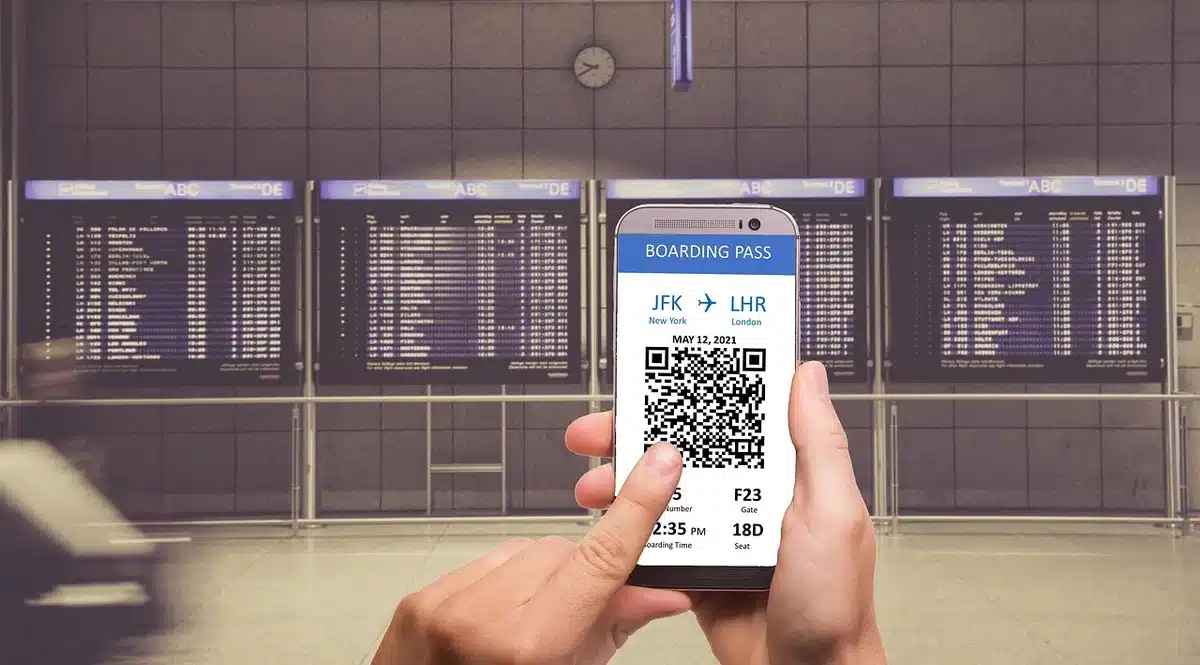
United has set different retention targets depending on the level being matched. For passengers with lower-tier elite status — for example, Delta’s Silver or American’s Gold — the required spend is $1,500 over the trial window. To secure United’s highest published tier, 1K (the level just below invitation‑only Global Services), the spending requirement rises to $7,000.
Wi‑Fi as a recruiting tool
United is promoting its new satellite internet, Starlink from SpaceX, as part of the pitch. The carrier is installing the system across its fleet, and it says Starlink will be free for members of its frequent‑flyer program once available on a plane — though the technology is not yet deployed fleetwide. Until Starlink is widespread, passengers still face fees with existing providers, which currently start at roughly $8 per flight.
American Airlines has also contracted Starlink for hundreds of narrow‑body aircraft beginning next year and tied its own status‑match promotion to the upcoming service. A spokeswoman for American reported that registrations for that status match tripled from their usual rate on Thursday after the campaign launched.
Meanwhile, Delta is preparing to switch the supplier of its complimentary in‑flight internet to Amazon’s new satellite offering, Leo. In a statement, Delta said the partnership will deliver “high‑bandwidth connectivity” and offer opportunities to bring Amazon’s entertainment and digital services to passengers.
Why carriers are fighting for elites
Airlines have been enhancing premium cabins, adding lounges and opening new international routes to attract frequent, high‑spending travelers. Faster and more reliable in‑flight internet has emerged as the latest competitive advantage.
“This is war, airline style,” said Henry Harteveldt, founder of Atmosphere Research Group, describing United’s explicit call‑outs of Delta and American and its social media outreach. “It’s very rare for an airline to be as blatant as United is being.”
Rival responses and program mechanics
American highlighted that it regularly runs status‑pass promotions. A company spokesperson pointed to a current offer that allows status holders from carriers such as Southwest, JetBlue, Delta and United to receive matched status in American’s AAdvantage program for four months or longer, provided they meet certain spending targets.
The competitive push reflects broader industry incentives: carriers aim to convert loyalty by combining immediate perks, like trial status and complimentary services, with backend requirements that encourage more flight purchases on their network.
Practical considerations for travelers
For elites considering a switch, the promotion sets a clear trade‑off: a short period of elevated benefits in exchange for meeting a substantial spending hurdle within three months. The offer may appeal to business travelers or other frequent flyers who can concentrate travel on United routes.
Travelers should confirm which flights count toward the spending requirements and whether regional partners are included, since the promotion specifies United mainline and regional service. As with other status‑match programs, the details and availability can change, and the Wi‑Fi rollout remains staggered across fleets.