

Show summary Hide summary
General Motors reported a 5.5% year-over-year drop in U.S. deliveries for the third quarter, selling 670,974 new vehicles as demand for plug-in models slowed sharply. The decline highlights a wider shift in buyer preference toward hybrids and lower-cost models, even as rivals such as Toyota and Honda record gains.
Electric vehicle sales tumble
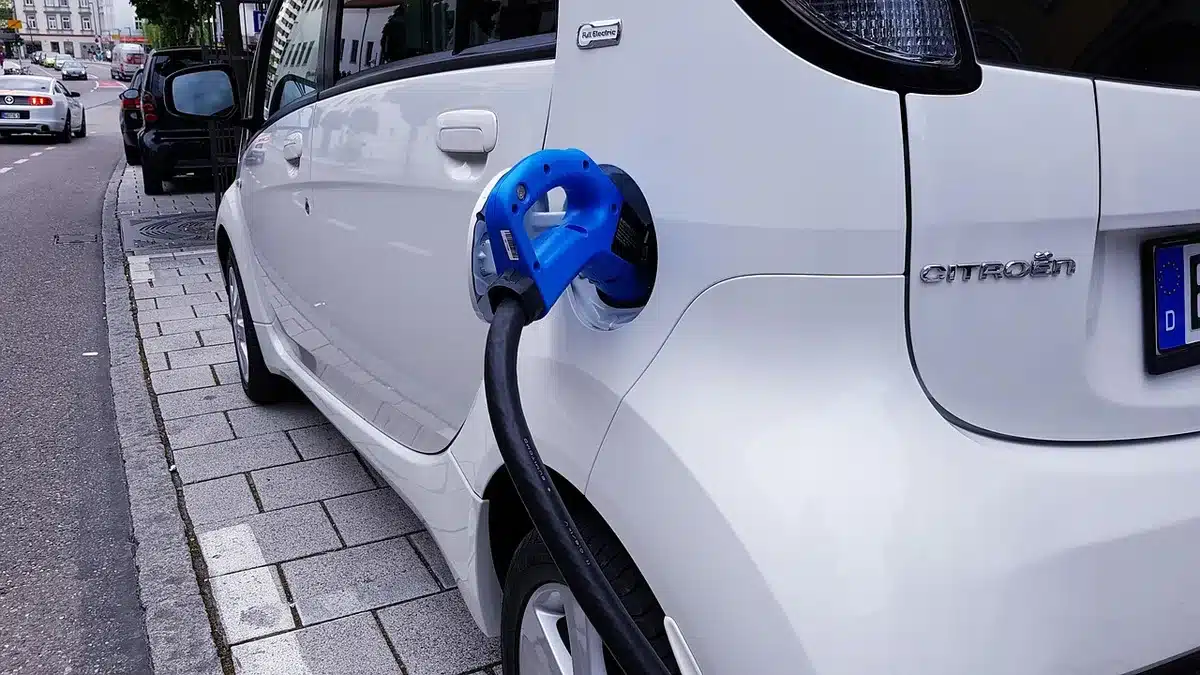
GM’s lineup of battery-electric models saw steep declines compared with a year ago, when purchases surged ahead of changes to federal EV incentives worth as much as $7,500. The automaker’s latest quarter showed dramatic drops in several nameplates: the Equinox EV sold just 1,905 units, down 92.4% from the prior-year period; the Blazer EV fell 84.4%; and the Hummer EV dropped 72.9%.
Amazon’s Echo Studio adds camera that can monitor pets and explain Monopoly rules
Week 11 college football takeaways: winners, losers and Lane Kiffin’s year ends quietly
Those comparisons were sharpened by last year’s record EV volumes at GM, which made the year-over-year picture more pronounced even as overall new-vehicle sales in the U.S. have been stronger than many analysts expected.
Hybrids and affordability reshape the market
With pump prices still elevated—AAA’s national average stood at about $4.41 per gallon—consumers appear to be favoring electrified hybrids and lower-priced models over full battery-electric vehicles. Industry forecasters expect hybrids to capture a growing share of the market as buyers weigh fuel economy against price and charging access.
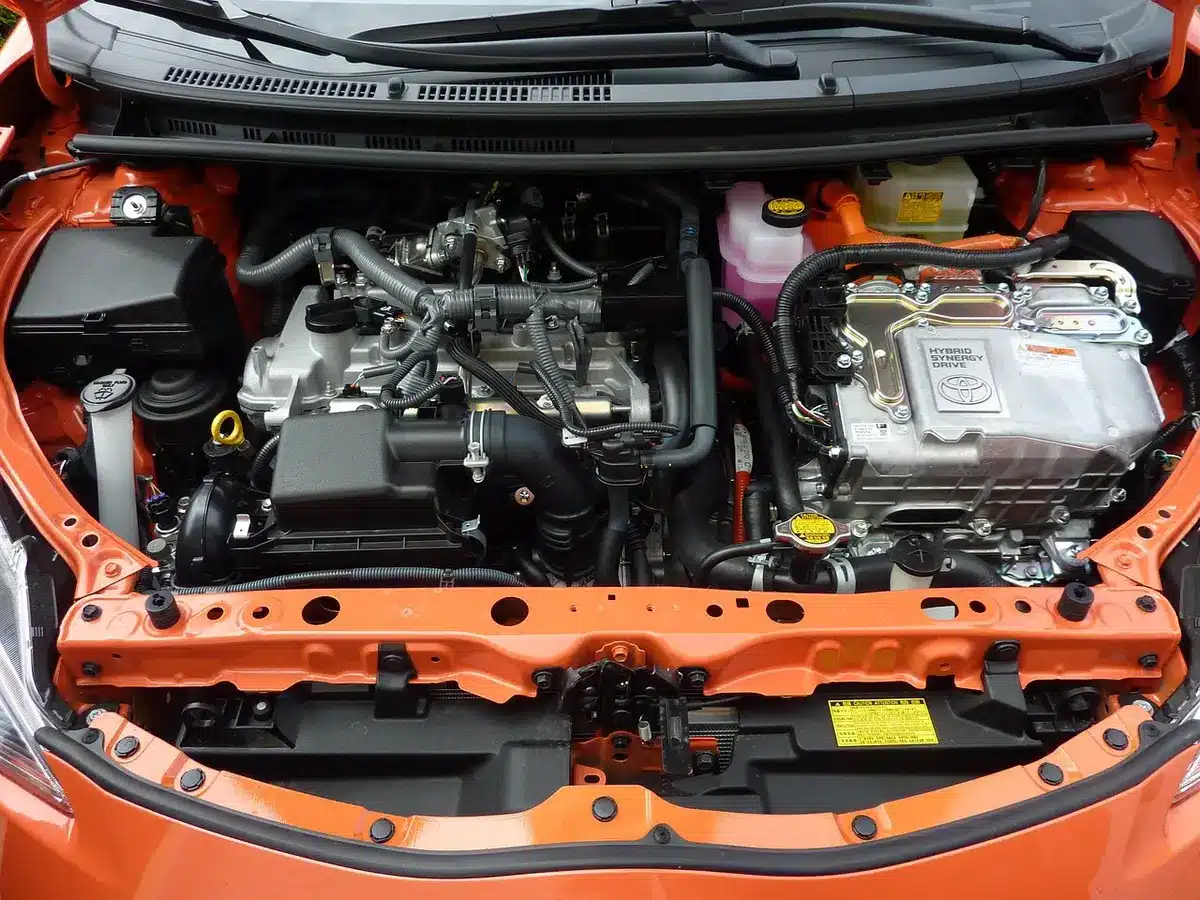
Toyota, which sells a broad mix of hybrids and plug-in models, reported that electrified vehicles accounted for more than 57% of its U.S. sales this quarter. Toyota’s overall deliveries rose 0.6% to 633,223 units, while sales of its electrified models climbed 28.5% to 363,367 units. That performance has narrowed the gap with GM: Toyota is now less than 136,000 units behind GM in U.S. sales, compared with a roughly 335,000-unit gap for the full year last season.
Competitors post mixed but resilient numbers
Honda saw notable momentum, reporting a 9.3% increase in U.S. third-quarter sales. The automaker set a record for hybrid deliveries in the quarter, exceeding 106,000 units. “We’ve got really high demand for hybrids,” Lance Woelfer, head of American Honda Motor’s U.S. sales, told CNBC. “We’re finding more and more consumers are figuring out hybrids meet their needs.”
Industry data firm Cox Automotive last week revised its outlook for 2026 higher, raising its forecast by about 2% to 16.1 million new-vehicle sales, reflecting stronger-than-expected demand overall.
Where GM is gaining — and losing
GM’s full-size pickups remained largely flat, helping offset steeper declines elsewhere. Sales of traditional internal-combustion vehicles at the company were roughly even with the prior year. Still, each of GM’s brands is down year to date, led by a 25% decline at Cadillac.
Affordability has boosted smaller, lower-priced models in GM’s portfolio. The Chevrolet Trailblazer rose 51% in the quarter, Buick’s Envista climbed 18.4%, and the Chevrolet Trax increased 16.3%.
Duncan Aldred, president of GM North America, said the company remains confident in its product and manufacturing plans. He added that the rollout of next-generation full-size pickups is proceeding as planned, and that GM is investing in new vehicles and technologies. Last month the company disclosed additional details about forthcoming V‑8 engines intended for its trucks.
Other automakers’ third-quarter snapshots
- Stellantis: Sales roughly flat year over year; Ram pickups and vans rose about 29% while Jeep was down roughly 20%.
- Nissan: U.S. sales up 1.4%, led by gains at Nissan and Infiniti retail operations.
- Hyundai & Genesis: Hyundai’s U.S. brand was up about 3%; luxury brand Genesis saw a 6% increase.
- Kia: Sales grew 7.8% for the quarter, with an approximate 18% jump in September and a new quarterly record of 236,659 units sold.