
Show summary Hide summary
UPS told CNBC on Monday it will deploy more than $2 billion to expand its international, healthcare and supply-chain businesses, a multi-year program meant to help customers cope with shifting global logistics pressures. The investments, which began in 2024, will continue through 2028 and target capacity, technology and temperature-controlled infrastructure.
Size, schedule and strategic aim
The package exceeds $2 billion and spans several business units, the company said. UPS framed the spending as a response to growing complexity in global trade and persistent macroeconomic disruption.
Ultra-thin women smoking cigarettes are making a comeback as a fashion trend
Windows Memory Diagnostic explained: what the test does and how to read results
Officials say the goal is to give customers greater flexibility and speed when moving goods across borders and regions. Scott Szwast, UPS vice president of international strategy, described the effort as building capabilities for companies in “complex industries” to run their global supply chains more effectively.
New hubs, centers and flight connections
Planned infrastructure additions include a new hub in the Philippines slated for this year and a Canadian facility in Ontario due next year. UPS also confirmed plans for an air hub at Hong Kong International Airport in 2028.

The company has opened a tech-enabled logistics center in Taiwan and a combined freight, brokerage and cold-chain solutions site in Amsterdam. UPS said automation and robotics at the Taiwan center have increased overall supply-chain throughput by roughly one day.
To meet demand for faster, more frequent service, UPS has added regular flights between Paris and Hong Kong, and between Shenzhen and Sydney, now operating five times weekly on each route.
Healthcare focus: temperature-controlled capacity
As part of its healthcare push, UPS announced a separate investment of $48 million to upgrade 27 temperature-controlled facilities across its network. The company said the work supports shipment of temperature-sensitive medicines, including some GLP-1 treatments.
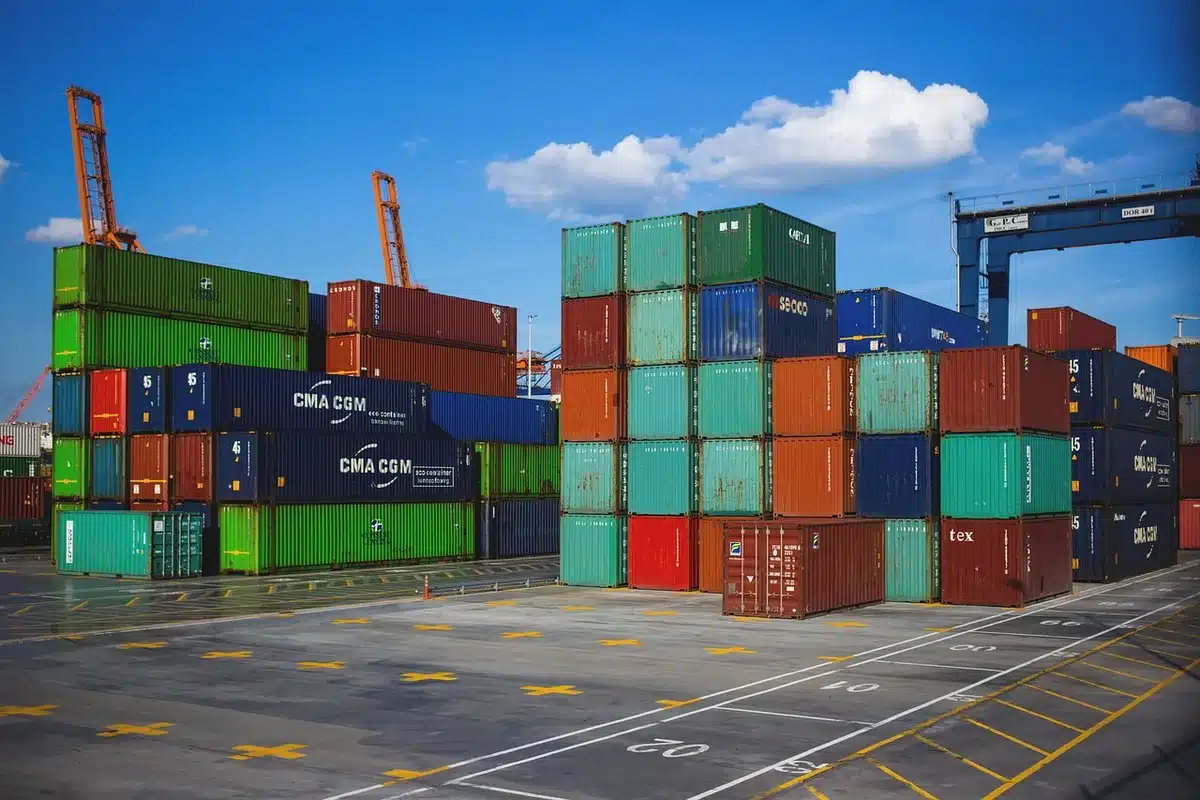
Industrywide, logistics providers are expanding cold-chain capacity to keep pace with rising demand for specialized storage and transport of biologics and other temperature-sensitive products.
What this means for shippers
Szwast argued companies are reworking supply chains that often reflect past practices rather than future strategies. “What they find in a lot of cases is that their supply chains look more like their histories than their strategies,” he said, noting a growing need for optionality and flexibility.
UPS expects the investments to strengthen its end-to-end offerings, giving customers tailored capabilities across sourcing and distribution markets. The company says these changes will allow clients to commit to customers with greater confidence, from the first mile to final delivery.