
Show summary Hide summary
When a bright visitor from another star system — the comet known as 3I/ATLAS — passed through the inner solar system in July 2025, it reignited scientific interest not because it was evidence of extraterrestrial intelligence but because its chemistry suggests the raw ingredients for life are widespread across the Milky Way.
What the visitor was
3I/ATLAS was only the third confirmed interstellar object detected in our system. It remained visible as it moved inward for about four months, prompting intense observation by ground- and space-based telescopes. Early speculative claims that it might be alien technology were not supported by its behavior; observers found it acted like a natural comet.
Ultra-thin women smoking cigarettes are making a comeback as a fashion trend
Windows Memory Diagnostic explained: what the test does and how to read results
Researchers say the object is most likely a preserved fragment of a distant planetesimal — a small body that helped build planets in its home system. That status makes it a rare chemical snapshot of material formed around another star, and thus a potential source of clues about how common prebiotic molecules are beyond Earth.
Why comets are important to astrobiology
Comets and similar small bodies are thought to act as delivery vehicles for carbon-bearing compounds that seed young planets with the components needed for life. As NASA and university scientists have pointed out, these materials range from simple molecules to the precursors of more complex biomolecules.
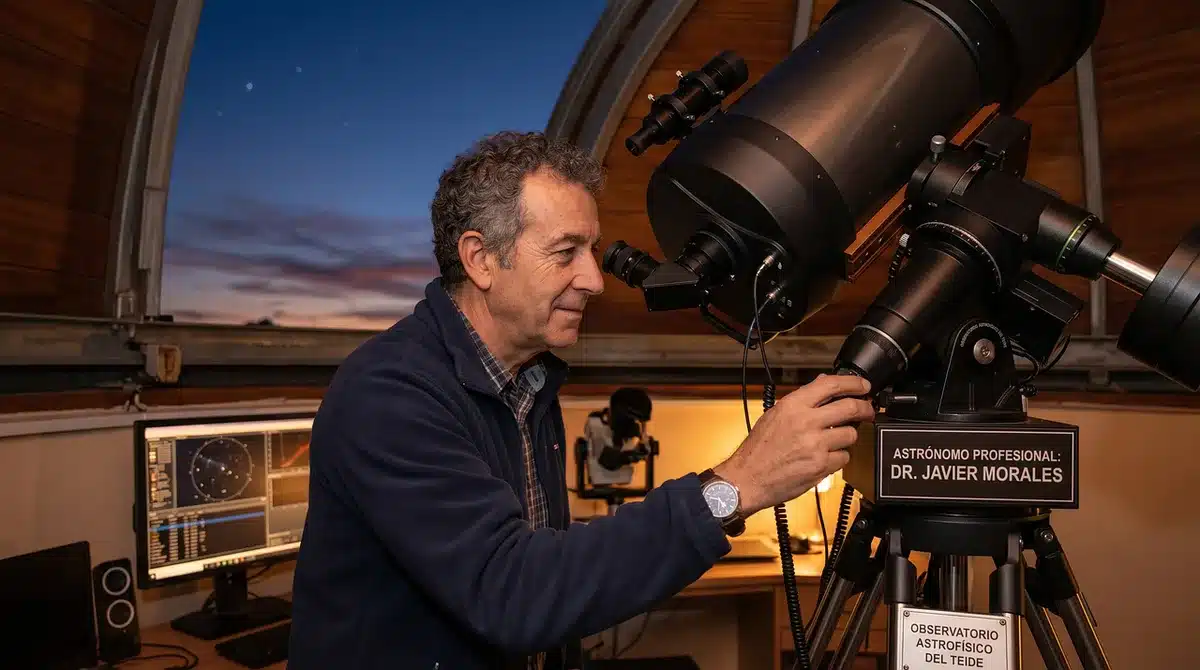
Evidence from missions inside our own solar system strengthens that view. Samples returned by the OSIRIS-REx mission to asteroid Bennu contain all five nucleotide bases used in Earthly nucleic acids, and researchers have identified many of the amino acids that form proteins. Those findings show that solar-system rocks can preserve biologically relevant chemistry, and raise the question whether the same is true for material from other star systems.
A crowd of organic molecules
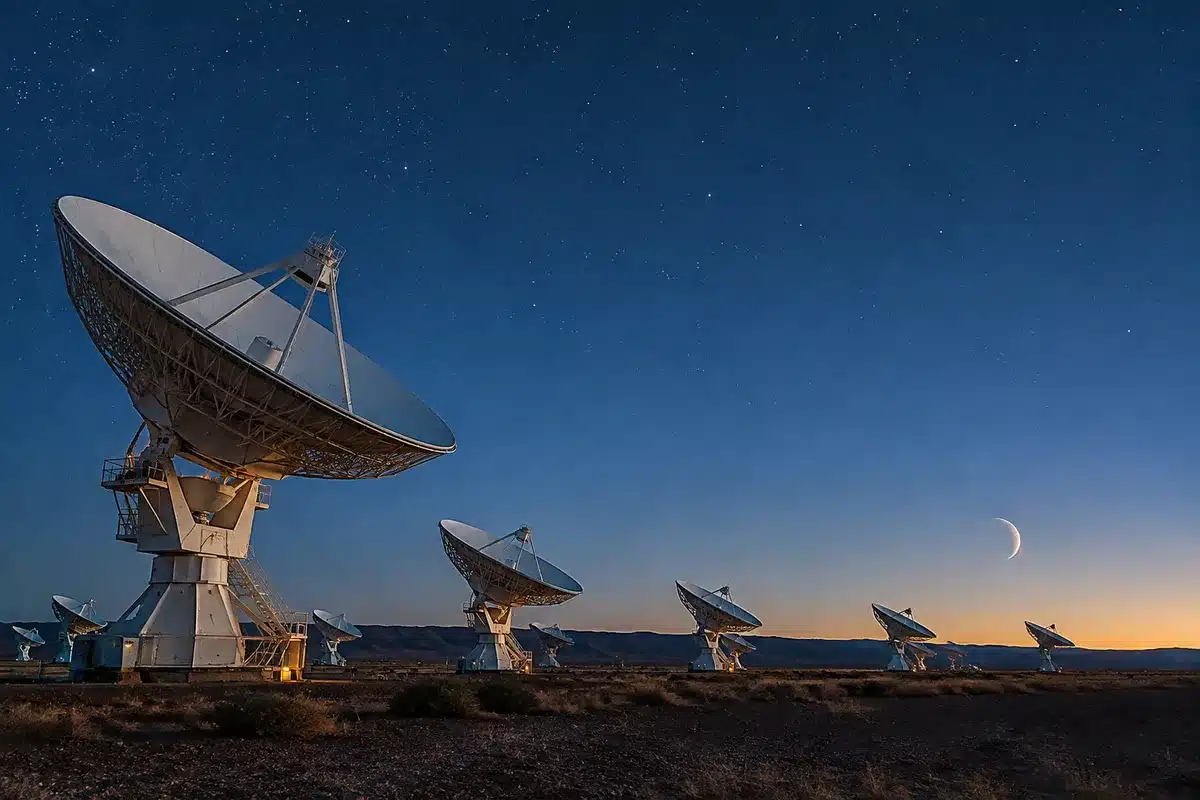
Because 3I/ATLAS developed a pronounced coma — a bright cloud of gas and dust released as it warmed — astronomers could analyze its composition across a wide range of frequencies. Teams used more than a dozen instruments, including radio arrays and infrared space telescopes, to read the comet’s chemical signature.
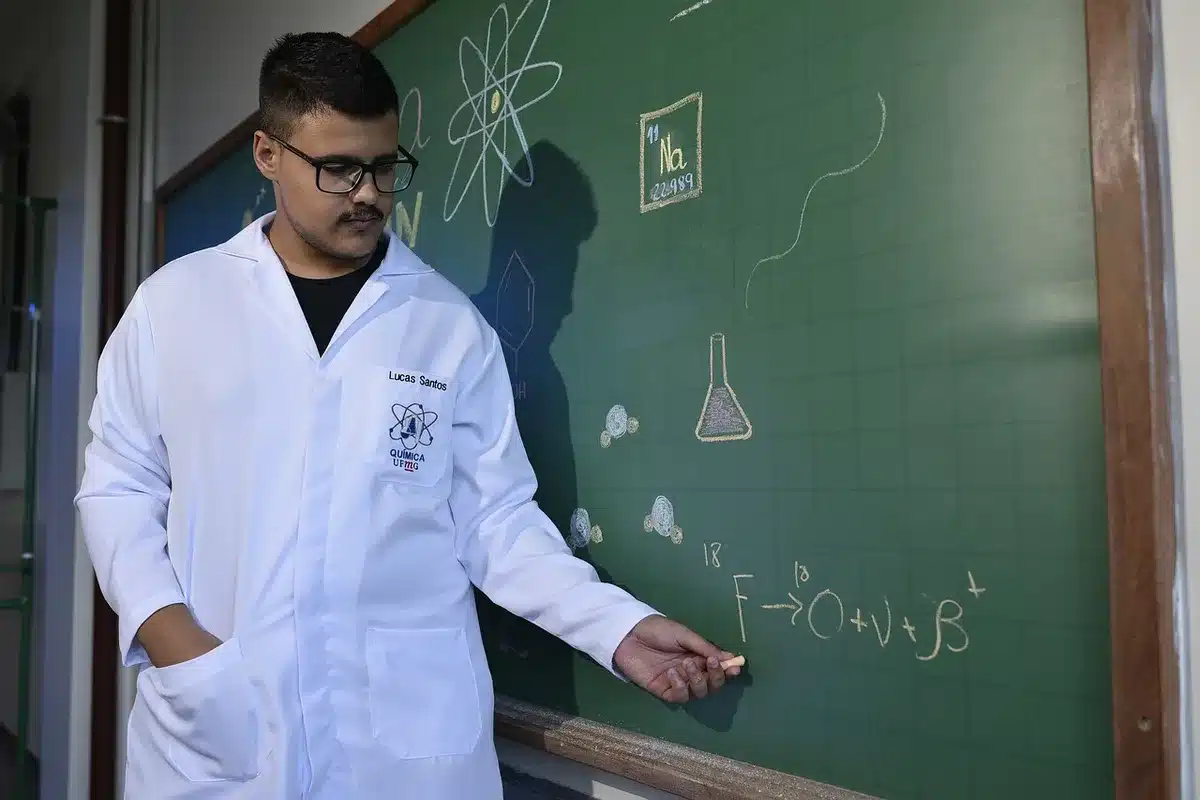
- Hydrogen cyanide (HCN) was detected by the Atacama Large Millimeter/submillimeter Array (ALMA). Laboratory work dating back to the 1950s, including experiments that recreated early-Earth conditions, shows HCN can participate in pathways that build amino acids and other prebiotic molecules.
- ALMA also reported large amounts of formaldehyde and methanol.
- Observations from the James Webb Space Telescope revealed significant levels of methane, a gas that on planets can act as a greenhouse agent and influence surface conditions.
- Other instruments, including NASA’s SPHEREx, contributed broader detections of organics during follow-up observations.
Scientists say the suite of molecules found in 3I/ATLAS are the kinds of carbon and nitrogen feedstocks that laboratory studies implicate in early prebiotic chemistry. The comet’s measured inventory is notable compared with the much more limited data available for the previous interstellar visitors.
What the chemistry does — and does not — prove
While the presence of simple organic compounds is intriguing, it is not evidence that life exists or ever existed in the comet’s home system. The molecules identified so far are chemically simple, and researchers have not detected the more complex products of prebiotic synthesis on 3I/ATLAS itself.
A January study also cautioned that most gas and dust released during the comet’s passage likely came from layers exposed to interstellar radiation rather than from a pristine interior. If so, the composition measured in the coma may reflect surface processing and not the unaltered chemistry of the object’s birthplace.
Broader implications and the road ahead
Even with those caveats, 3I/ATLAS adds to a growing body of evidence that key molecular precursors of life are common in space. Observations of giant molecular clouds and other star-forming regions have already revealed nitriles, sugar acids and other compounds that can lead to amino acids and related molecules.
The opportunity to study 3I/ATLAS was unusually rich: astronomers had almost a year of coordinated observations, far longer than the brief windows available for 1I/’Oumuamua and 2I/Borisov. The latter was discovered just before the COVID pandemic interrupted many observing campaigns, although limited data showed HCN present there as well.
Looking forward, the Vera C. Rubin Observatory in Chile is expected to discover many more interstellar interlopers. Scientists say the increasing sample of objects — and the elements and isotopes they carry — will help map where bio-precursors are located across the Galaxy and how common such chemical inventories may be.