
Show summary Hide summary
Archaeologists working at the ancient Hittite capital of Hattusha in north-central Turkey say they have uncovered a 3,400-year-old cuneiform fragment from what is considered the world’s oldest known peace treaty. The Turkish Ministry of Culture and Tourism said the tablet, part of the Treaty of Kadesh, includes language on how refugees were to be treated.
New piece of a centuries-old agreement
Excavators recovered the fragment during recent digs at the Hittite administrative center of Hattusha. Officials dated the text to roughly 1269 B.C., the period when the Egyptian pharaoh Ramesses II and Hittite king Hattusili III agreed terms to end prolonged hostilities.
Fares could keep rising, yet airlines’ profits won’t increase
Kelsey Grammer returns to NBC to lead EMT drama from Chicago Med alum
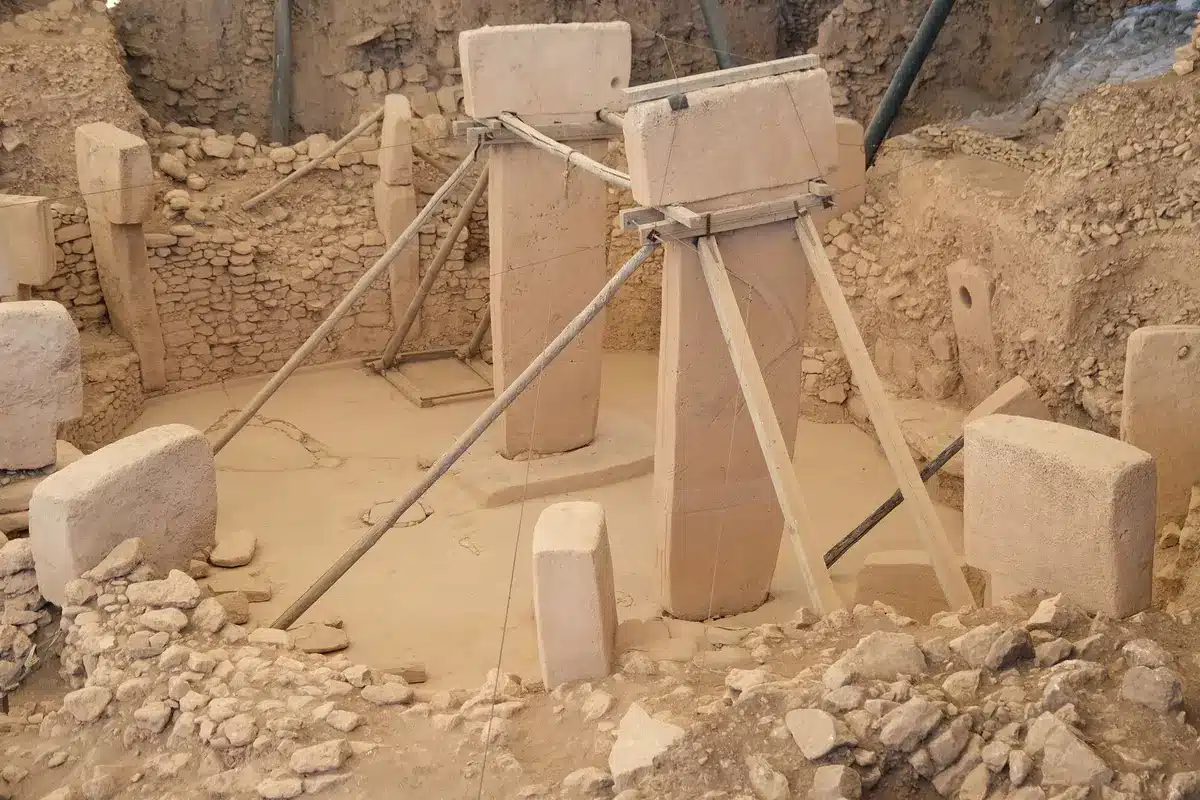
Turkey’s culture minister, Mehmet Nuri Ersoy, described the find as evidence of “traces of peace, thousands of years old, in the soil of Anatolia” in a Sept. 21 translated statement. The ministry said the tablet is a fragment of a larger Akkadian text discovered among diplomatic archives at the site.
What the fragment says
According to the ministry, the newly recovered lines belong to a section that addresses refugees. The tablet reiterates provisions for returning people who fled across borders and explicitly forbids cruel punishments.
Portions of the treaty preserved elsewhere state that refugees must be sent back to their country of origin and that they should not be mutilated. The ministry noted that part of this prohibition appears on the freshly uncovered fragment. Ongoing excavations may reveal additional sections of the document, officials said.
Why historians care
The Treaty of Kadesh is often cited as the earliest surviving international peace agreement. Although commonly associated with the Battle of Kadesh that occurred years earlier, the text itself does not mention that battle directly. Scholars also refer to the document as the Egyptian–Hittite peace treaty, the Eternal Treaty or the Silver Treaty.
Where the treaty has been preserved
The pact exists in more than one version. In the early 19th century, archaeologists found hieroglyphic inscriptions of the agreement on temple walls in Thebes (modern Luxor). Separate Akkadian cuneiform copies were first identified at Hattusha in the early 20th century, revealing that both sides recorded the terms in their own scripts.
Long shadow in modern diplomacy
A copper replica of the treaty is on display in the United Nations Conference Building in New York. The U.N. has said the document “pledges eternal friendship, lasting peace, territorial integrity, nonaggression, extradition, and mutual help,” and noted similarities between those commitments and the organization’s ideals.
Archaeological context
The Hittite Empire dominated central Anatolia from about 1650 to 1200 B.C., and its capital has yielded a rich archive of diplomatic correspondence written in Akkadian, the period’s lingua franca for international affairs. Finds like this fragment add detail to how ancient states negotiated war, asylum and legal protections.