Show summary Hide summary
At IFA 2026, Dyson unveiled the CameraJet, a toothbrush that pairs an integrated imaging sensor with software intended to change how people brush. The device aims to turn oral hygiene into a more data-driven, guided routine — but it raises practical and privacy questions that matter to consumers.
What Dyson presented on the show floor
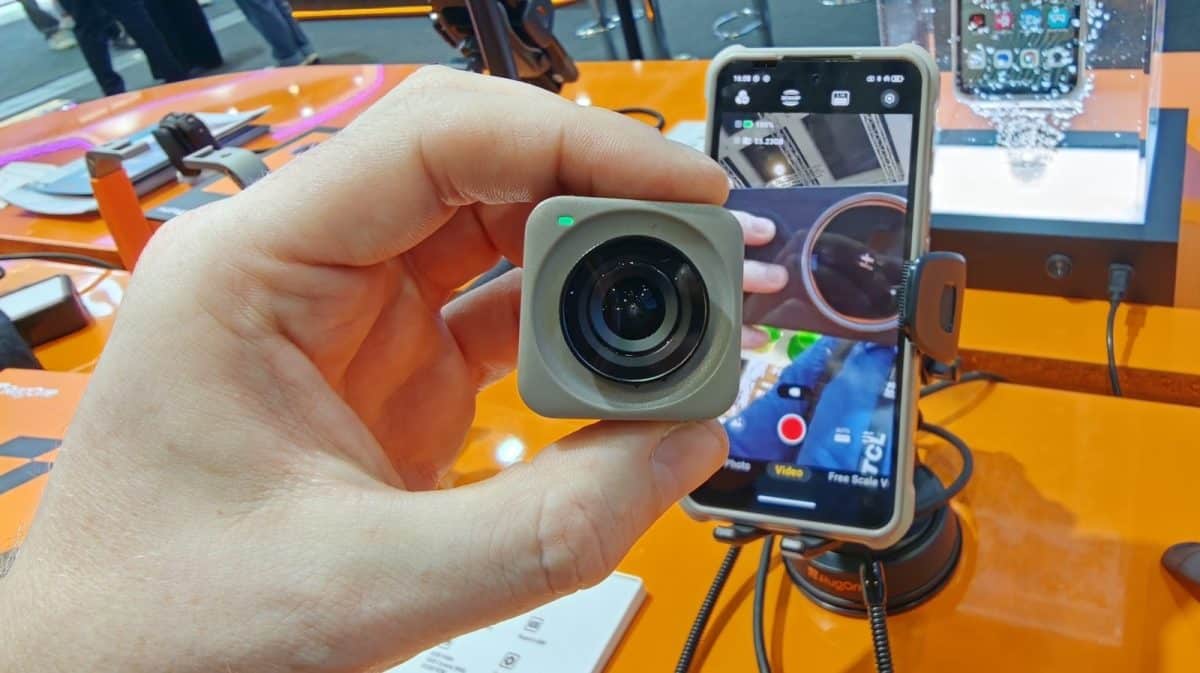
Dyson positioned the CameraJet as a blend of hardware design and software assistance. The toothbrush houses a small camera near the head and connects to a companion app that displays a live view while you brush. The company framed the tool as a way to highlight missed areas and refine technique.
Study finds white dwarfs may appear purple, pink or green
Burger King turns to local franchisees to jump-start its U.S. comeback
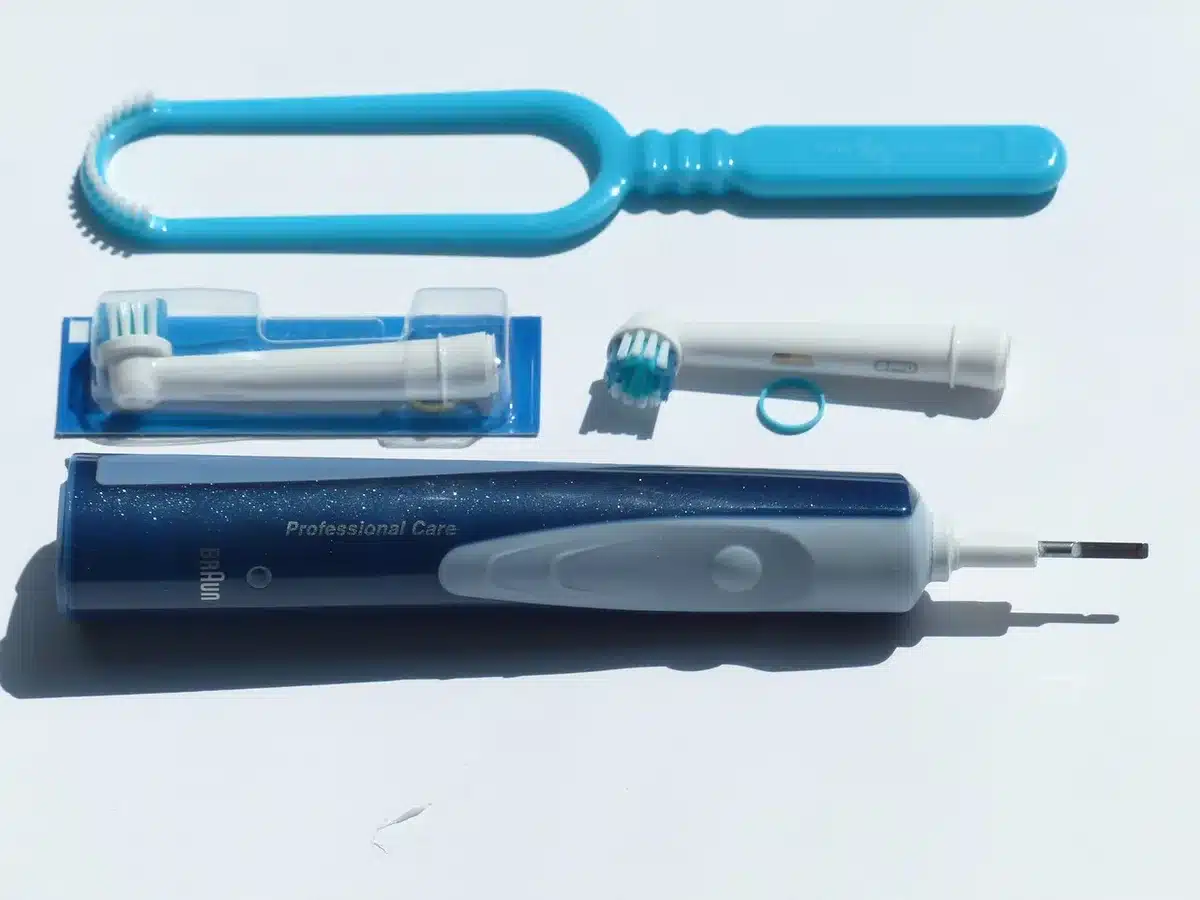
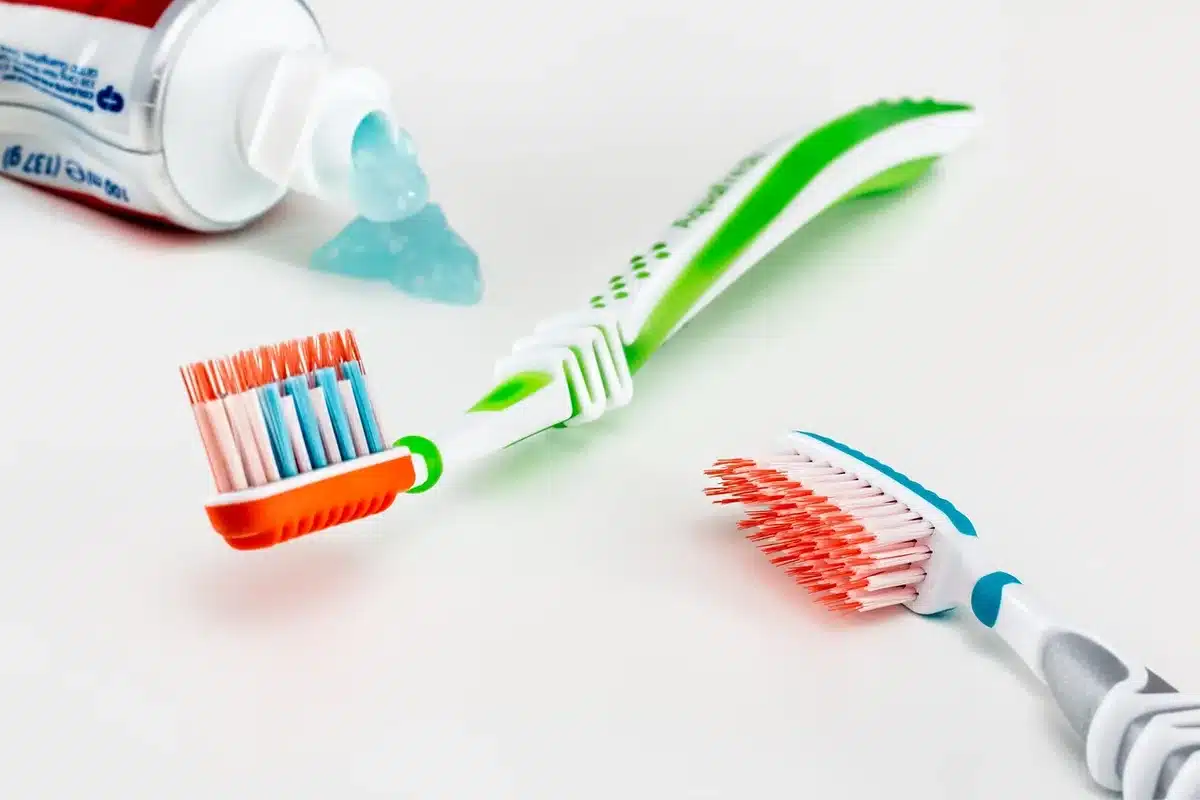
On the show floor, the CameraJet’s form factor looked familiar to other electric brushes, with a streamlined handle and a detachable brush head. The camera and associated electronics are built into the tip so they do not add obvious bulk. In demonstrations the live feed showed close-up images of teeth and gums, overlaid with guidance graphics intended to steer users to under-cleaned sections.
How the system is intended to work
At its core, the CameraJet combines visual feedback with algorithmic analysis. The live view gives users an up-close look at what they are brushing. Software then flags areas that receive insufficient attention and suggests adjustments in angle or duration.
This approach aims to move beyond simple timers and pressure sensors. By providing visual confirmation, the device could help teach better habits and offer more targeted cleaning routines. The app reportedly stores session summaries so users can track improvements over time, and it may offer personalized tips based on observed patterns.
Practical benefits and user experience
For some users, the CameraJet could make oral care more concrete. Visual feedback can reveal plaque-prone zones that feel clean but are missed. That could be particularly useful for people learning new brushing techniques, parents coaching children, or patients recovering from dental procedures.
Early hands-on impressions from the show suggested the live camera view is surprisingly detailed, though interpreting those images requires training. The software’s overlays and prompts aim to simplify that learning curve. Users will likely need time to adjust to watching a screen while brushing, and some may find the setup more suited to occasional checks than daily use.
Privacy, hygiene and technical questions
An embedded camera in a toothbrush inevitably raises privacy and sanitation concerns. Consumers will want clear answers about where images are stored, whether they are processed locally or in the cloud, and which safeguards protect them from unauthorized access.

Hygiene is another practical issue. The camera and its housing must remain watertight and easy to clean. Any crevice that traps moisture could degrade performance or harbor bacteria. How the device handles firmware updates, encryption, and secure pairing will also influence buyer confidence.
Market context and regulatory outlook
The CameraJet enters a market where smart oral-care products are increasingly common. Toothbrush makers have added pressure sensors, timers, and app-led coaching for years. The addition of visual guidance sets Dyson’s device apart, but it also places the product under closer scrutiny from regulators and dental professionals.
Dentists may welcome a tool that helps patients improve technique, but they are also likely to caution against using consumer-captured images as a substitute for professional exams. For regulators, the presence of a camera and health-related claims could trigger additional oversight, depending on how the app categorizes and uses the data.
Who might benefit — and who might not
Potential buyers include tech-forward users curious about quantified self tools, parents teaching children better habits, and patients advised to follow strict oral-care regimes. Users who prioritize simplicity or who are uncomfortable with cameras near their mouths may prefer traditional electric brushes.
Price will be a major factor in adoption. Smart toothbrushes already vary widely in cost, and adding camera hardware and software services typically pushes devices toward the premium end of the market. Consumers will weigh the device’s potential to improve dental outcomes against that additional expense.
First impressions and next steps
The CameraJet illustrates how personal-care devices are becoming more intertwined with imaging and software. Its strength is a tangible, visual way to identify missed zones and reinforce better brushing. But meaningful adoption depends on how Dyson addresses privacy, hygiene, and the everyday practicality of watching a live feed while brushing.
Further details on availability, pricing, and technical specifications will determine whether the CameraJet is a niche curiosity or a broader advance in oral care. For now, it offers a clear glimpse of where smart health gadgets may head next.