

Show summary Hide summary
Students are returning to campuses across the United States and signing leases faster than a year ago, creating fresh openings for real-estate investors — but the gains are uneven. A version of this reporting first appeared in CNBC’s Property Play newsletter.
National pre-leasing rises, but averages hide big gaps
Data from the industry tracker known as the Yardi 200 show national pre-leasing for student housing reached 89.1% in July ahead of fall move-ins. That is up from 88.1% in July 2025, though still slightly below the August 2025 level of 89.9%.
Ultra-thin women smoking cigarettes are making a comeback as a fashion trend
Windows Memory Diagnostic explained: what the test does and how to read results

Within that aggregate, however, conditions vary widely. Yardi reported that 117 of the 200 markets it follows were at or above their year-earlier pre-leasing rates in July, but some large markets are absorbing a surge of new supply that is weighing on overall performance.
“New supply is increasingly concentrated in large markets, dragging down performance at schools with the most beds and weighing more heavily on national metrics,” wrote Tyson Huebner, director of research at Yardi Matrix.
Where demand is strongest
Investors point to a cluster of flagship public and private institutions where demand outstrips available housing. Mike Gordon, global chief investment officer for real estate at Harrison Street Asset Management, said many leading schools are operating at or above 95% occupancy.
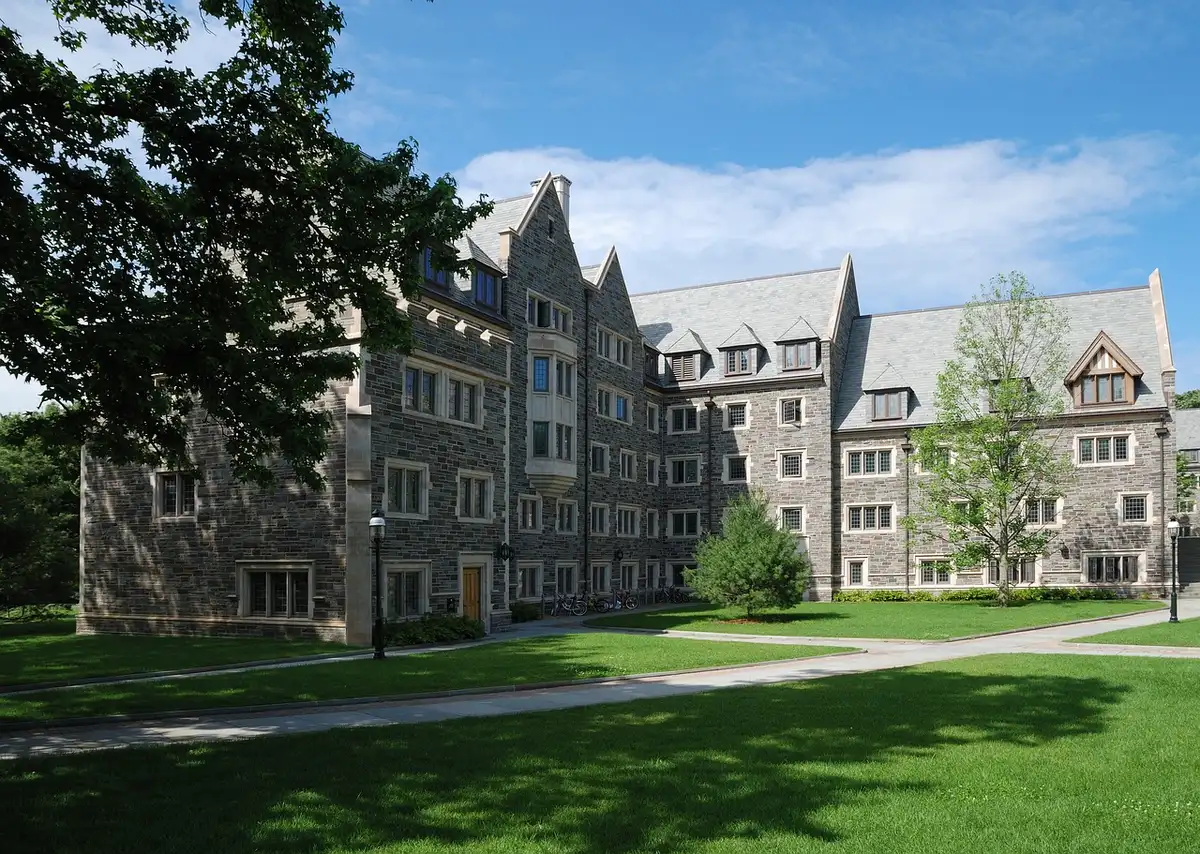
Gordon highlighted that measures such as enrollment, application volume, research funding and graduate earnings have become concentrated at top universities — naming Michigan, UVA and UNC among those that continue to attract students and institutional resources. “Our conviction in student housing is really high, but our conviction in every student housing market is not,” he said. “Frankly, I think that creates a really interesting investment environment.”
He added that in several strong college towns, housing supply has not kept pace with enrollment growth, calling out Virginia Tech, Auburn University and Penn State as examples.
Investment strategies and shifting portfolios
Harrison Street, one of the largest players in the sector, has been active across acquisition, development and public–private partnerships with state universities. Since its 2005 launch, the firm has allocated more than $24 billion to student housing and now lists investments including about 238,000 beds across 200 university markets in North America and Europe.
At the same time, investors are taking profits where demand and valuations have risen. Earlier this year Harrison Street sold a 12-property student housing portfolio for $910 million, one of the largest dispositions seen in the sector in recent years.
Gordon and other managers say specialization matters more than ever because local fundamentals — from state funding to enrollment trends and student preferences — differ sharply. That makes market selection and on-the-ground expertise critical for investors seeking upside while avoiding overbuilt markets.