
Show summary Hide summary
President Donald Trump announced agreements with nine pharmaceutical companies to cut prices on certain outpatient medicines, part of his administration’s drive to link U.S. drug costs to lower prices charged abroad. The deals, announced Monday, aim to change what states pay through Medicaid and add to a larger push on drug affordability ahead of the midterm elections.
What the agreements require
The White House said the nine companies will offer discounts on outpatient drugs so that state Medicaid programs pay amounts that mirror prices charged in other countries. The measures cover treatments for a range of chronic and rare conditions, including hemophilia, liver disease, some skin disorders and selected cancers.
Ultra-thin women smoking cigarettes are making a comeback as a fashion trend
Windows Memory Diagnostic explained: what the test does and how to read results

Collectively, the firms pledged to invest at least $19.6 billion in U.S. manufacturing capacity in the near term. Four—Astellas, Sun Pharma, Teva and UCB—also committed to donate active pharmaceutical ingredients to a federal strategic reserve intended to reduce reliance on foreign suppliers and improve emergency preparedness. In UCB’s case, the company said it will contribute 163 tons of levetiracetam, an anticonvulsant used to control some seizure types.
Which companies signed on
- Alcon
- Astellas Pharma
- BeOne Medicines
- BridgeBio
- CSL
- Kyowa Kirin
- Sun Pharma
- Teva Pharmaceuticals
- UCB
Market response and administration claims
Stock markets showed little reaction overall: most of the named companies closed near previous levels, while Teva and BeOne fell by roughly 1%. The White House framed the new agreements as adding to a broader campaign that now includes 26 companies, a group the president said represents about 90% of the U.S. pharmaceutical market. He added that the remaining firms are “also coming in” and “have no choice.”
The administration’s pricing strategy has followed a so-called most favored nation approach. Over the past year, the White House reached deals with 17 other drugmakers, including Pfizer, Eli Lilly and Novo Nordisk. In May 2025, the president signed an executive order to revive that policy, arguing prices should be adjusted to reduce what the administration calls global freeloading.
How industry is responding
Pharmaceutical companies say the pricing pressure is reshaping their commercial plans. Several firms are investing heavily to return manufacturing to the United States, a move meant to shield supply lines from potential trade measures. They are also expanding direct-to-consumer channels, including listing medicines on the administration’s TrumpRx portal.
Manufacturers report financial strain from lower prices. Some firms, including Novo Nordisk, have warned that it will take time for increases in prescription volume to offset reduced revenues from lower unit prices.
Broader context on U.S. drug costs
Research highlights the scale of the price gap between the United States and other countries. A 2024 Rand Corp. study found that U.S. prescription drug prices are on average nearly three times higher than overseas levels, with branded medicines priced at more than four times the international average.
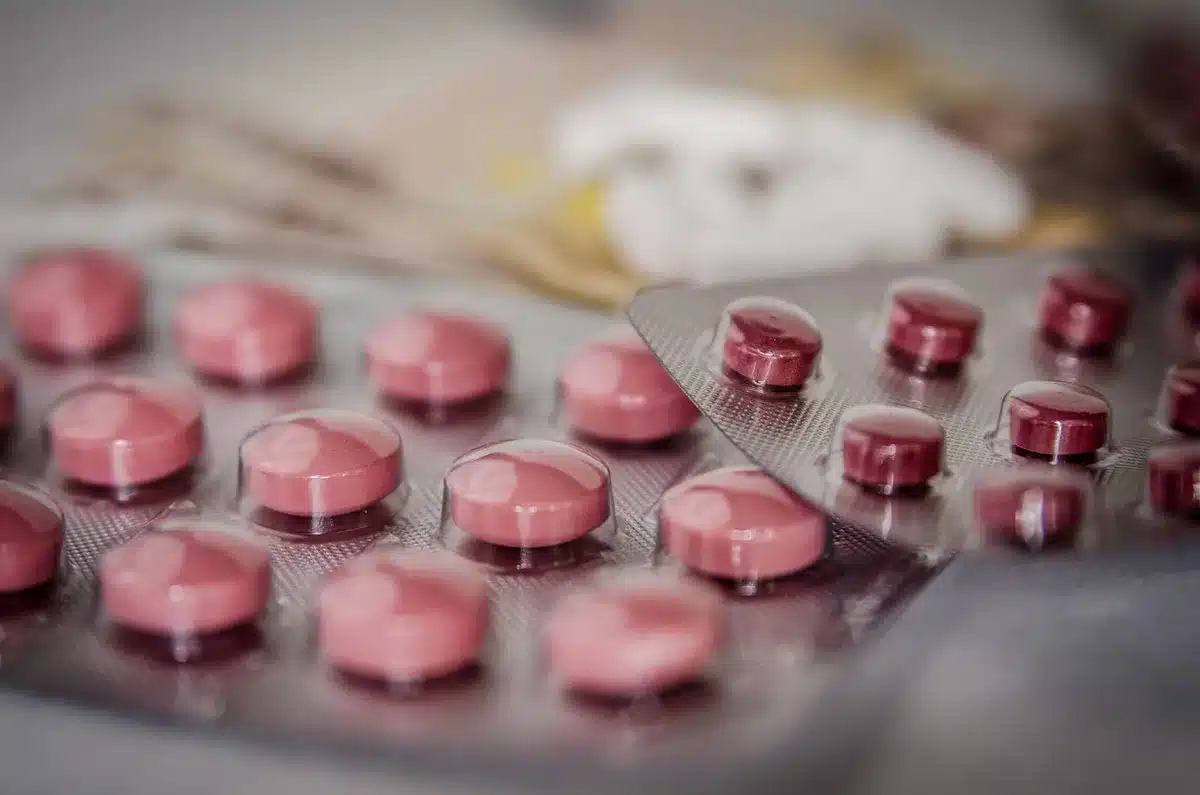
The industry trade group PhRMA has criticized the most-favored-nation approach, saying it is not the right tool to lower costs for Americans and pointing instead to pharmacy benefit managers as a key driver of price differences.
Why the U.S. market matters
The United States remains the lucrative core market for many drugmakers, including European firms. Several of the largest companies based in Europe derive a majority of their sales from the U.S., making American policy shifts especially consequential for global pharmaceutical strategy and revenue.