
Show summary Hide summary
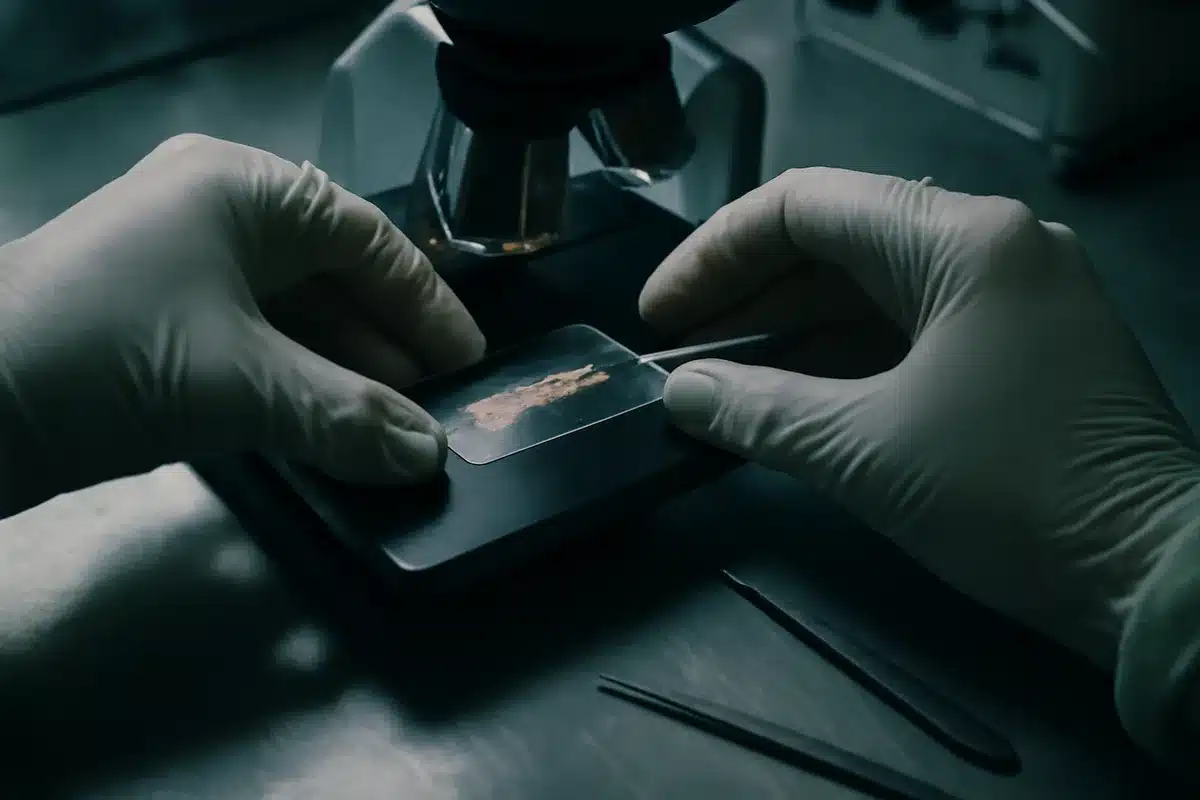
A compound best known for producing psychedelic effects may also shield peripheral nerves from chemotherapy damage, according to early laboratory research. A new study in the journal Science reports that psilocybin protected mice from signs of chemotherapy‑induced peripheral neuropathy by preserving the movement of cellular energy units along nerve fibers.
Protection seen before treatment
In experiments with mice given the chemotherapy drug cisplatin, two doses of psilocybin administered before the first round of chemotherapy markedly reduced nerve hypersensitivity. The treatment also lowered cold sensitivity and preserved nerve endings in the skin, with protection lasting through multiple cycles of chemotherapy in the study.
Ultra-thin women smoking cigarettes are making a comeback as a fashion trend
Windows Memory Diagnostic explained: what the test does and how to read results
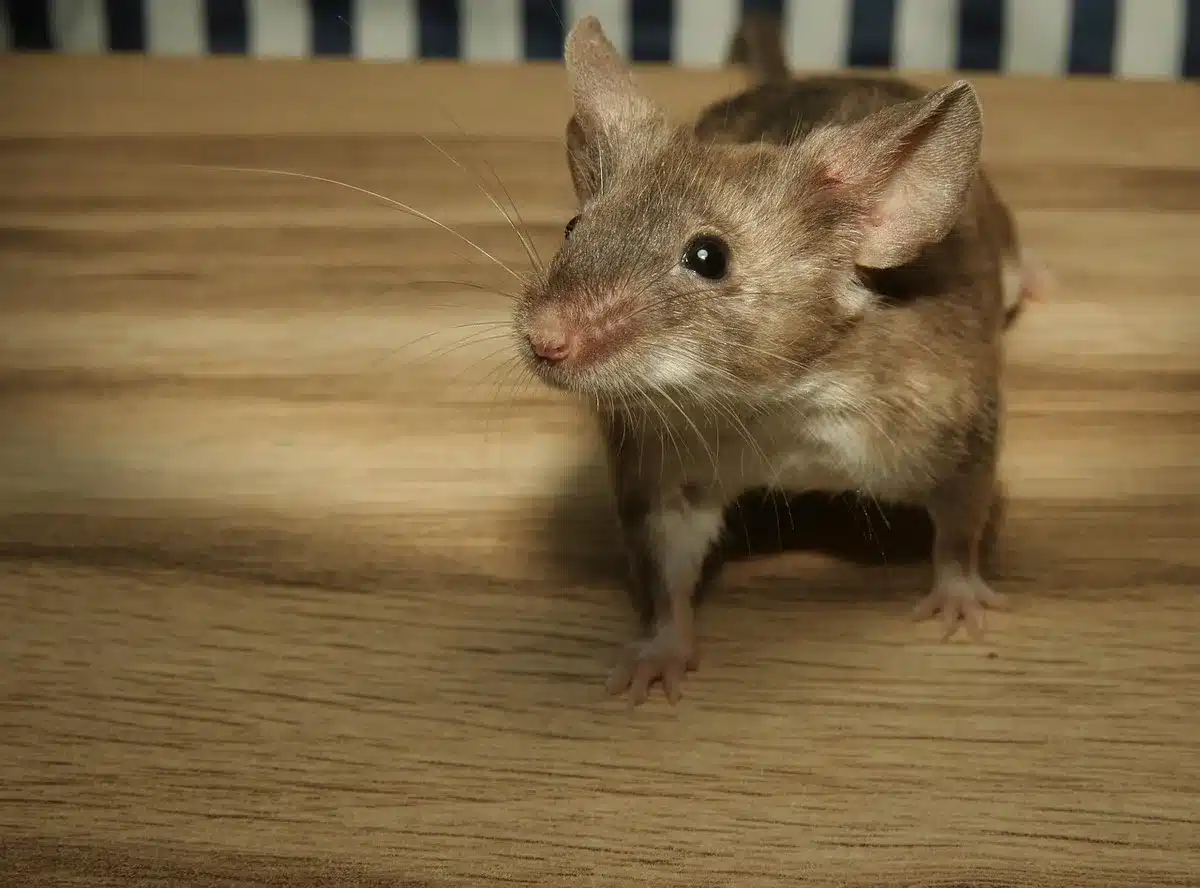
The investigators traced the effect to peripheral nerves rather than the brain. They tested human sensory neurons and surgically removed peripheral nerve tissue in the lab and found evidence that psilocybin helped maintain energy delivery within nerve projections.
Preserving energy along nerve fibers
Neurons rely on mitochondria to generate ATP, the cell’s main energy currency. Peripheral nerves pose a logistical challenge because some nerve fibers stretch long distances and require mitochondria to be transported to distant endings.

The team found that cisplatin depleted mitochondria and ATP from the long extensions of sensory neurons. Psilocybin did not restore the mitochondria’s overall energy‑production capacity. Instead, it preserved their ability to move along the neuronal projections and kept local ATP levels intact where they were needed most. That process—known as mitochondrial trafficking—appears central to the drug’s protective effect.
Receptor link and a non‑hallucinogenic analogue
The nerve‑sparing effect depended on the serotonin receptor 5‑HT2A, a receptor also implicated in psilocybin’s psychedelic actions. The researchers tested a compound named TBG, which activates 5‑HT2A without producing hallucinations, and report it likewise protected mice from neuropathy.
Study co‑author Moran Amit of The University of Texas MD Anderson Cancer Center cautioned that the psychedelic experience itself might contribute to protection in ways that are not yet understood. The team therefore highlighted the need to disentangle receptor‑mediated mechanisms from any wider effects of the drug.
What clinicians say
Dr. Thomas Strouse, a neuropathy researcher at UCLA who did not participate in the study, noted that mitochondrial injury has long been considered a contributor to chemotherapy‑induced peripheral neuropathy (CIPN), but testing psilocybin as a protective agent is novel. He added that CIPN affects roughly one‑third to one‑half of patients receiving certain chemotherapies and can be severe enough to force dose reductions or discontinuation of treatment.
Strouse also emphasized that different chemotherapy agents may cause neuropathy through different biological mechanisms, so a protective effect against one drug may not apply to others.
From mice to human trials
The researchers stress that these results come from animal models and laboratory tissue. They have not yet shown that psilocybin prevents neuropathy in people. Amit and colleagues are preparing a clinical trial at MD Anderson to test safety and whether the approach translates to patients. The work is part of MD Anderson’s Cancer Neuroscience Program, which studies interactions between cancer and the nervous system.
Human studies will need to establish both efficacy and safety before oncologists could consider co‑administering a psychedelic compound with cancer therapy.
The findings are reported in Heles et al., 2026, in Science (DOI: 10.1126/science.aec6116). This article is for informational purposes and is not medical advice.