
Show summary Hide summary
A single, small change in how you manage your clothes can shave real dollars off your monthly budget. This article lays out practical, low-effort strategies to get more wear from what you already own and spend less on pieces that don’t perform.
Choose versatility over volume
Start by taking stock. A closet full of items doesn’t guarantee outfit options; thoughtful pieces do. Prioritize garments that mix and match easily, like neutral outerwear, well-fitting trousers, and shirts that work for day or evening.
Practical steps to change what Claude remembers
How the College Football Playoff reached 24 teams and reshaped the bracket

Think in terms of function. A limited number of adaptable items can replace many niche purchases. That reduces impulse buys and lowers the long-term cost of your wardrobe.
Shop with a plan
Impulse purchases are the fastest route to wasted money. Before buying, ask whether the item fills a real gap in your closet and how many existing pieces it will pair with.
Set short shopping lists for specific needs: a weatherproof jacket, a pair of work shoes, a sweater in a durable knit. Sticking to clear needs helps avoid accumulating duplicates that rarely get used.
Make secondhand a first option
Thrift stores, consignment shops, and online marketplaces often carry high-quality garments at a fraction of the original price. Look for solid construction and classic shapes rather than chasing current trends.
Buying used is not only economical; it can also deliver better materials than budget-new options. A gently worn wool coat or leather bag can outlast a cheaper new alternative.
Repair and tailoring extend value
Minor fixes and small alterations can significantly lengthen a garment’s useful life. Replacing buttons, fixing hems, and simple tailoring make clothes look newer and fit better.
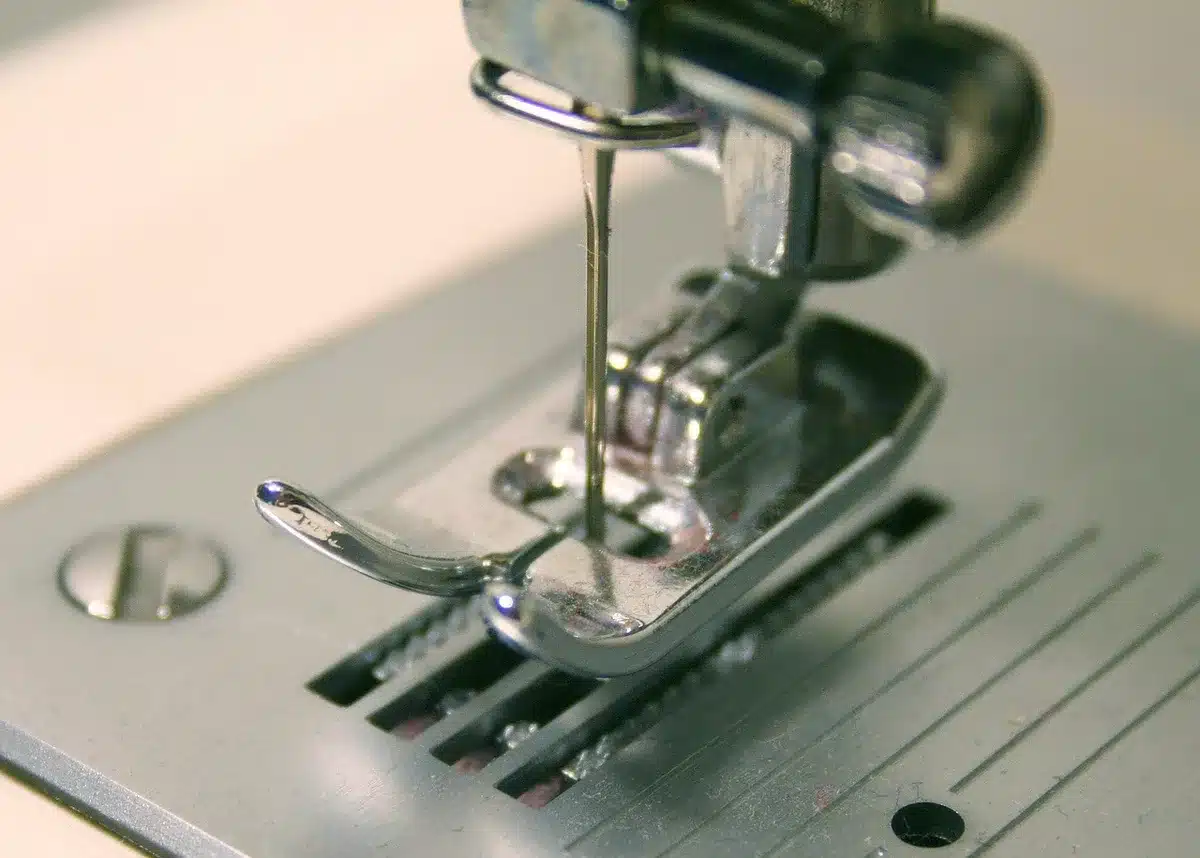
Professional tailoring is often inexpensive relative to the cost of a replacement garment, and it can transform a mediocre fit into a wardrobe staple.
Organize to avoid waste
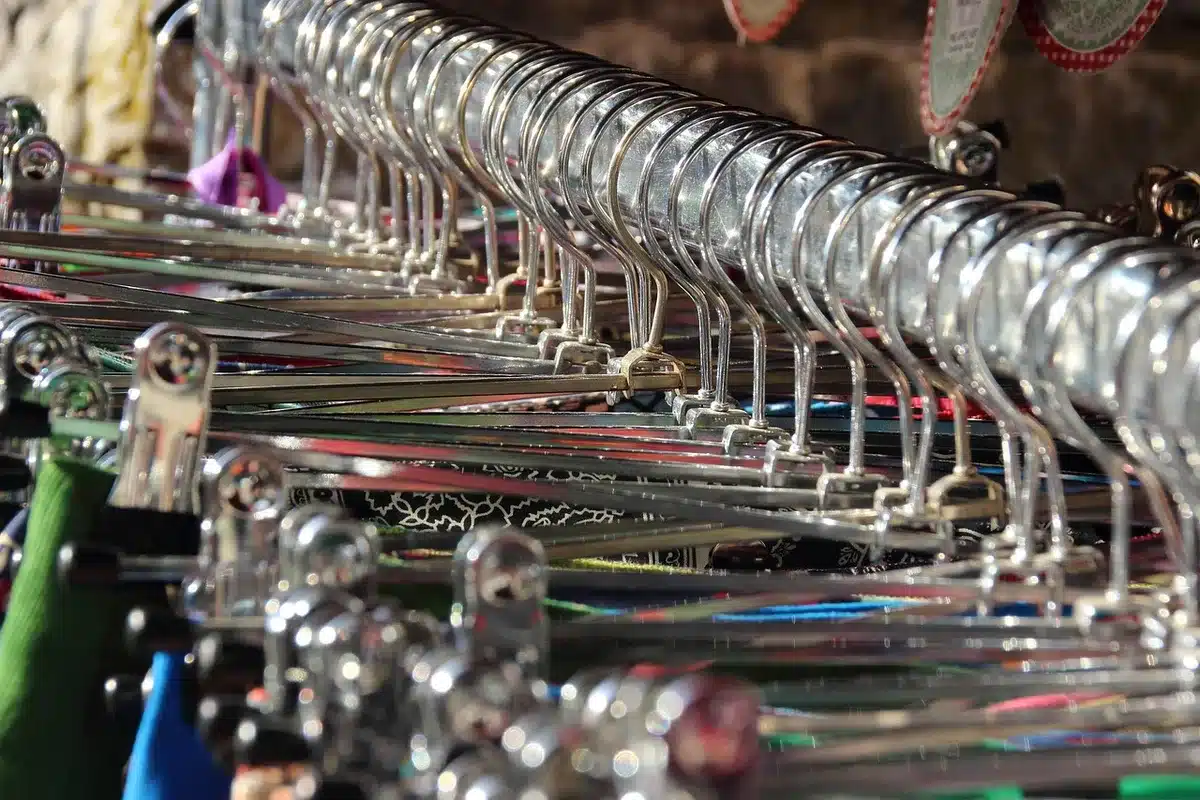
How you store clothes affects how often you wear them. Clear visibility prevents overlooked items from languishing at the back of the closet.
Group outfits by use—work, casual, seasonal—and rotate pieces so each item gets regular wear. Consider a simple system such as keeping off-season clothing in labeled containers to free up daily choices.
Prioritize maintenance
Routine care saves money. Follow care labels, mend small problems promptly, and use gentle washing methods to preserve fabric and color.
Investing a little time in maintenance prevents premature replacements. It’s a cost-effective habit that pays off in months and years.
Small investments, big returns
Certain purchases can be smarter long-term investments. Pay attention to fabric quality, timeless cuts, and neutral colors that stay relevant across seasons.
That does not mean buying the most expensive item available. It means making selective purchases where the cost-per-wear will be low because you actually wear the piece often.
Quick checklist: a closet win plan
- Audit your wardrobe to identify gaps and redundancies.
- Prioritize versatile, durable pieces over trendy items.
- Explore secondhand options before buying new.
- Repair and tailor clothing instead of replacing it.
- Organize for visibility and regular rotation.
Why it matters
Stretching the life of your clothing reduces overall spending and limits waste. For consumers who want to save money without sacrificing style, small, consistent changes to buying, caring for, and organizing clothes are both practical and effective.
These tactics work for single-item purchases and for broader wardrobe planning. Apply them gradually, and the financial benefit will compound over time.