Show summary Hide summary
The Federal Aviation Administration has concluded that a recently reported software anomaly affecting some Boeing 737 Max flight computers does not pose a flight-safety risk, clearing a major regulatory hurdle for the largest Max variant. The finding could speed certification of the 737 Max 10 as Boeing works to resume deliveries after years of scrutiny over its aircraft.
FAA review finds pilots retain control
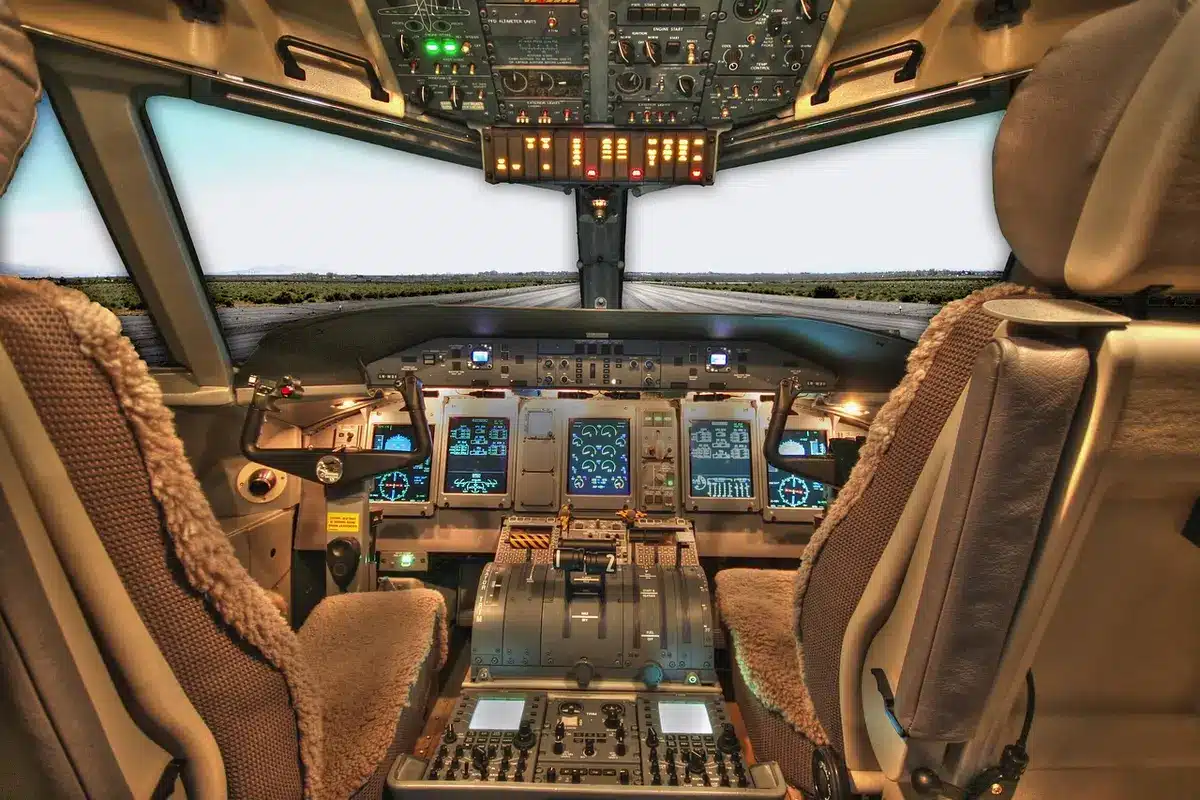
Federal regulators said a panel of FAA safety experts reviewed the issue and decided it is not a safety concern. The agency explained that pilots would keep full command of the airplane and that cockpit indications tied to the event are clear and unambiguous.
Practical steps to change what Claude remembers
How the College Football Playoff reached 24 teams and reshaped the bracket

The FAA convened a multi-disciplinary board including specialists in airframes, flight controls, propulsion and flight testing to assess the problem. Officials said they will issue a special bulletin to airlines explaining how to recognize and respond if the condition appears and that they will revisit the issue should new information surface.
What Boeing reported and how it can appear in flight
Boeing notified regulators last month about the software behavior, which the company says could affect certain landing procedures. According to Boeing, the anomaly can occur after a missed approach when crews modify a preprogrammed flight path, and it requires pilots to take extra steps to re-enable some automated functions on subsequent approaches.
U.S. carriers told regulators they are not impacted immediately because they have the option to operate on older software versions. Still, the discovery prompted questions over the timing of certification for the Max 10.
Implications for the Max 10 certification
The Max 10 is the largest member of Boeing’s 737 Max family and would be the final variant to receive approval to fly. Industry plans had anticipated certification in early fall.
The FAA previously cleared the smallest Max variant, the Max 7, in August. Executives at two airlines that ordered the Max 10 — Alaska Airlines and Ryanair — publicly downplayed concerns about the delay earlier in the week.