Show summary Hide summary
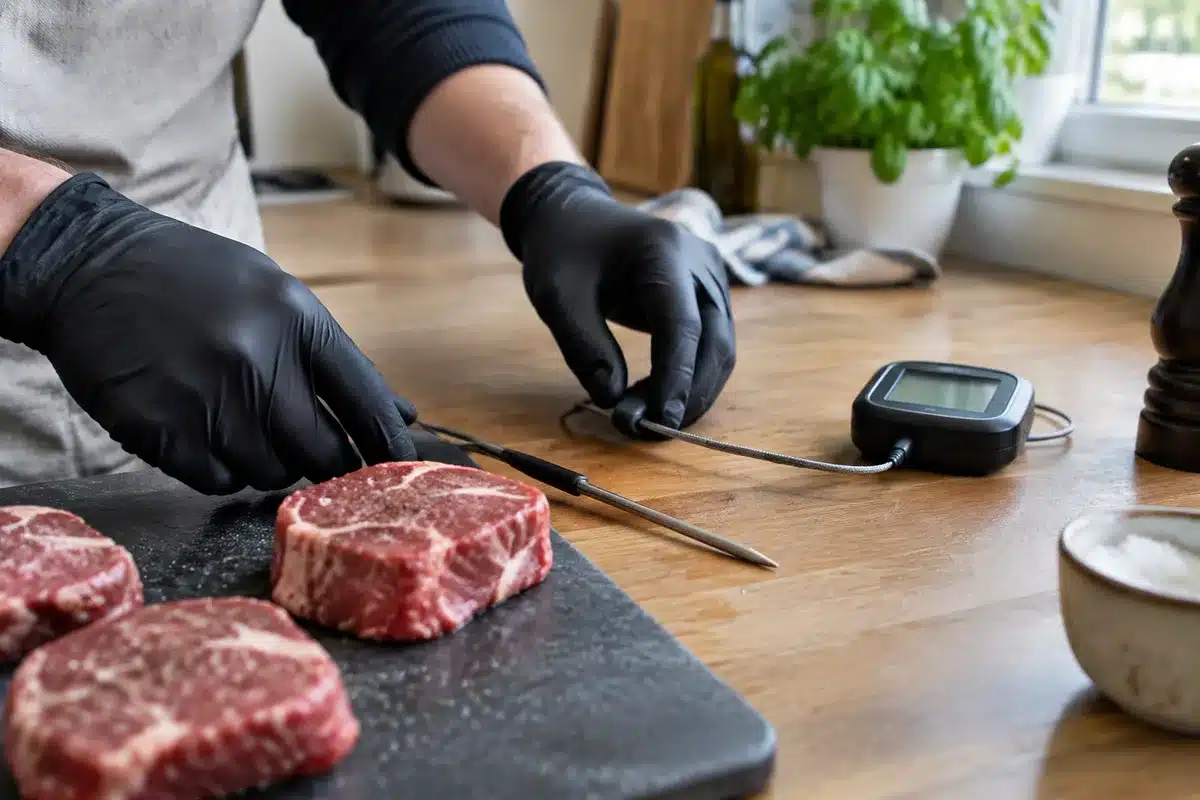
ThermoWorks has released a more compact variant of its RFX wireless meat probe, aimed at cooks who regularly work with thin or small cuts. The shorter probe is intended to make accurate temperature checks easier in items like small steaks, chicken breasts, sausages and chops.
Why probe length matters
Probe size affects how and where you measure the internal temperature of food. Long probes can be awkward in thin cuts: they risk puncturing through the other side, missing the center, or creating large holes that let juices escape.
Lucy Hale speaks out after TikTok backlash over Pretty Little Liars
Former YMU Global exec opens London agency representing creators, including Topjaw’s Jesse Burgess

A shorter probe reduces those problems. With less shaft to push through the meat, the tip can reach the desired depth more reliably. That tends to give a cleaner reading and damages the product less, which matters for presentation and moisture retention.
How this fits the RFX line
The new probe joins ThermoWorks’ existing RFX ecosystem, a family built around wireless temperature monitoring. RFX systems are designed for cooks who want remote monitoring without constant hands-on checking at the grill or in the oven.
Introducing a compact probe addresses a practical gap in that lineup. Many wireless probe packages include one or more long probes suited to roasts and whole birds. Adding a short probe gives users more flexibility when they switch between large and small cuts during the same cook.
Practical advantages for home cooks and pros
For home cooks, the benefit is straightforward: easier, more accurate temperature readings on smaller items. That can reduce the guesswork when timing burgers, fish fillets, or individual portions.
In professional kitchens and catering, a short probe can speed routine checks and protect plated food from damage. It also helps team members maintain consistent results across different protein sizes without changing probes mid-service.
Using shorter probes effectively
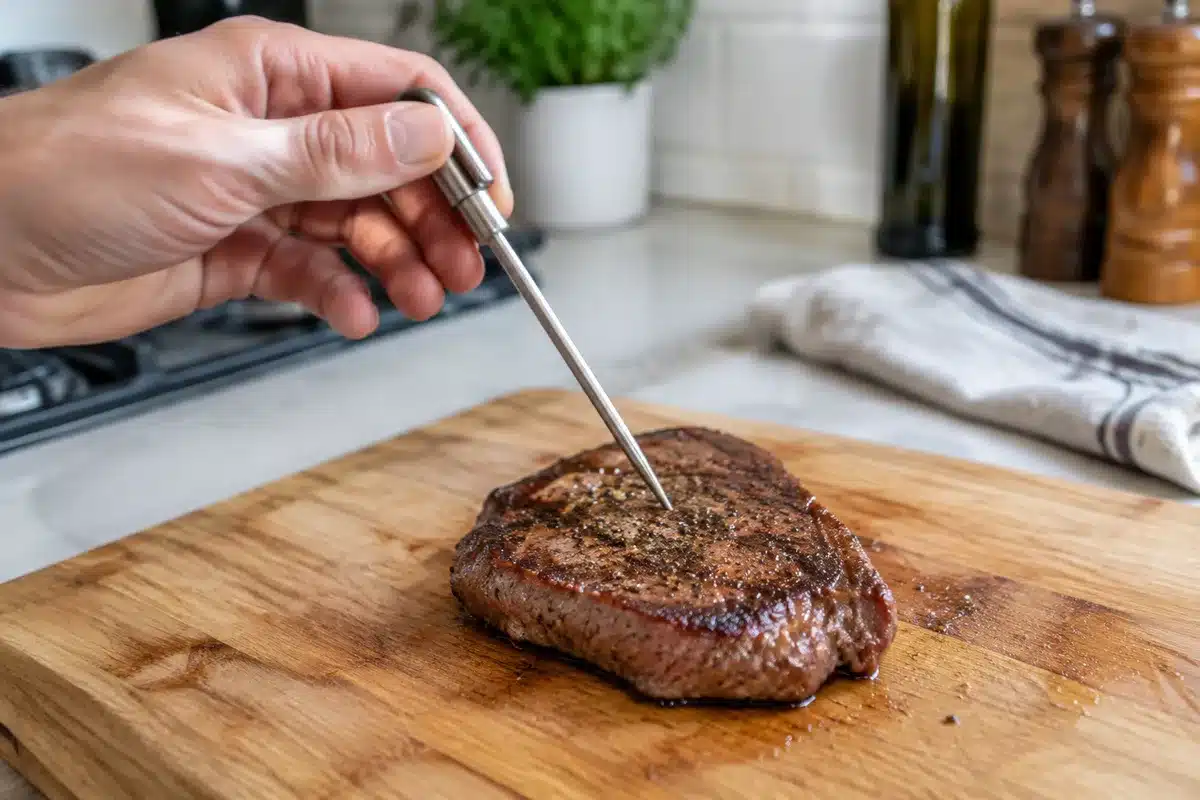
To get reliable measurements with a short probe, insert the tip into the thickest part of the piece and avoid touching bone or gristle. For very thin items, angle the probe slightly so the tip rests closer to the geometric center of the meat.

Placement matters more than probe length alone. Even a compact probe needs to be positioned to capture the part of the cut that will determine doneness. Re-checking in a second spot can help if the slice has an uneven thickness.
What cooks should consider before buying
Not every cook needs a short probe. If you mostly roast large cuts or rely on oven probes, existing longer probes will serve well. But if you frequently prepare single portions or thin cuts, a compact probe is a useful addition.
When evaluating a short probe, consider build quality, connector type, and compatibility with your existing monitoring system. Durable construction and a secure connection help ensure dependable readings during high-heat cooks or when working near open flame.
Alternatives and complementary tools
Short probes are one option among several ways to measure doneness. Instant-read thermometers remain the fastest choice when you need a quick check between basting or flipping. Infrared thermometers can measure surface temperature but do not show internal doneness.
For cooks seeking maximum convenience, combining a short inserted probe with occasional instant-read checks yields the best of both worlds: continuous digital monitoring without sacrificing spot accuracy.
Why this matters now
As more people cook varied meals at home and look for consistent results, toolkits are becoming more specialized. A compact RFX probe reflects that shift toward practical, purpose-built accessories that solve small but common problems.
Smaller probes won’t change cooking fundamentals, but they can help cooks hit target temperatures more reliably. That reduces wasted food, improves texture, and makes weeknight cooking more forgiving.