
Show summary Hide summary
Google Discover offers publishers a way to reach readers before they search, surfacing stories based on individual interests and behavior. For newsrooms and independent publishers alike, understanding how editorial choices and technical details affect Discover visibility can turn casual browsing into repeat traffic.
Why Google Discover matters
Unlike search, Discover surfaces content proactively in a personalized feed. That means stories can gain significant exposure even when no one is actively searching for them.
Light-up digital shelf labels help Walmart shoppers and employees locate items
Former YMU Global exec opens London agency representing creators, including Topjaw’s Jesse Burgess
For publishers, this changes the dynamic: distribution depends as much on relevance and presentation as on traditional search optimization. High-quality, mobile-friendly content that aligns with user interests tends to perform better.
Editorial and technical signals that matter
Visibility in Discover is shaped by a mix of editorial judgment and site health. Editorially, relevance to broad user interests, clear reporting, and trustworthy sourcing matter. Technically, fast pages, mobile-first design, and correctly indexed content are essential.
- Prioritize accurate, user-focused headlines and summaries.
- Use large, high-quality images that display well on mobile devices.
- Keep site speed and page experience optimized for smartphones.
- Ensure content is crawlable and not blocked by robots or mistaken canonicalization.
These elements work together. A well-reported piece with poor images or a slow page may still underperform, while a fast, visually optimized page that lacks depth is unlikely to build sustained traffic.
Headlines, visuals and first impressions
In Discover, the headline and lead image form the story’s immediate pitch. They must be accurate, concise, and representative of the article’s substance.

Avoid sensational or misleading phrasing. Readers—and algorithms—penalize clickbait. Instead, focus on clarity and context so the audience immediately understands why the story matters.
Images should be clear, relevant, and visually distinctive. Where possible, use original photography or custom graphics rather than repeated stock images. Alt text and proper image markup help ensure visuals are indexed correctly.
Trust signals and content quality
Trust is central. Clear author bylines, transparent sourcing, corrections policies, and accessible contact information all contribute to a publisher’s authority.
Google’s broader quality frameworks emphasize expertise, authoritativeness, and trustworthiness. For publishers, that means consistent editing standards, visible credentials for specialized reporting, and rigorous fact-checking.
Measuring Discover performance
Publishers can track Discover traffic and engagement through analytics platforms and tools that report impressions, clicks, and user behavior. Google Search Console provides a Discover report showing how specific pages perform.
Use these signals to iterate. Identify which topics and formats generate passive interest and explore why—was it the subject, the headline, the image, or the timing? Small editorial experiments can reveal patterns that scale.
Practical workflow tips for newsrooms
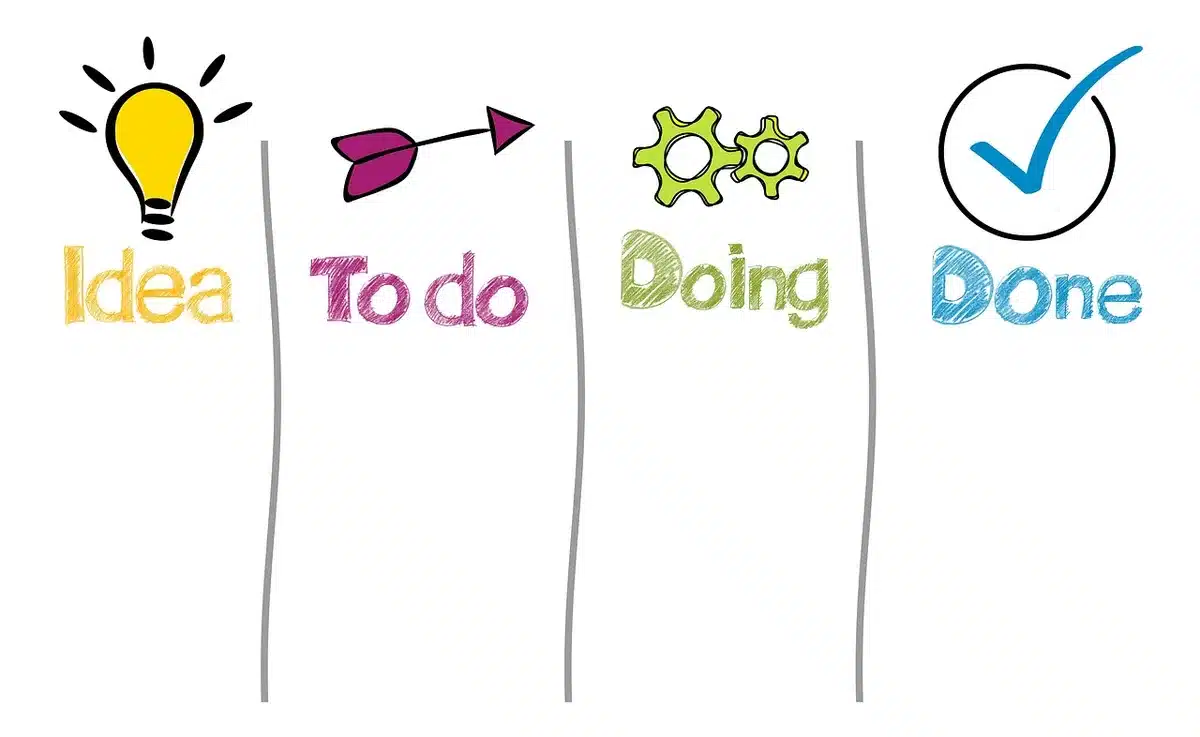
Integrate Discover thinking into your editorial workflow rather than treating it as an afterthought. Plan visuals during assignment, write clear headlines, and prioritize mobile-first composition.
Editorial calendars should balance timely coverage with depth. Evergreen, explainers, and well-produced features often have longer life in Discover feeds than fleeting updates that lack context.
Common mistakes to avoid
Many publishers unintentionally undermine their Discover potential by using deceptive headlines, neglecting image quality, or unintentionally blocking content from indexing. Slow, ad-heavy pages also reduce the likelihood of sustained engagement.
Another frequent error is assuming Discover is merely an extension of search. It’s a distinct channel with its own user expectations—personalized, visual, and discovery-driven.
What publishers should prioritize now
Focus on editorial clarity, visual quality, and technical resilience. Small improvements in these areas often yield disproportionate gains in passive discovery and reader retention.
Above all, aim for content that stands on its own merits: clearly reported, responsibly presented, and easy to consume on mobile. That combination gives publishers the best chance to be surfaced in personalized feeds like Google Discover.