
Show summary Hide summary
A chemically modified form of a tapeworm drug reduced inflammation and slowed growth of endometriosis-like lesions in mice, researchers report — raising the prospect of a more targeted therapy for a condition with few options. The proof-of-concept study used nanotechnology to steer the medicine directly to immune cells that fuel pain and tissue growth.
What the team tested
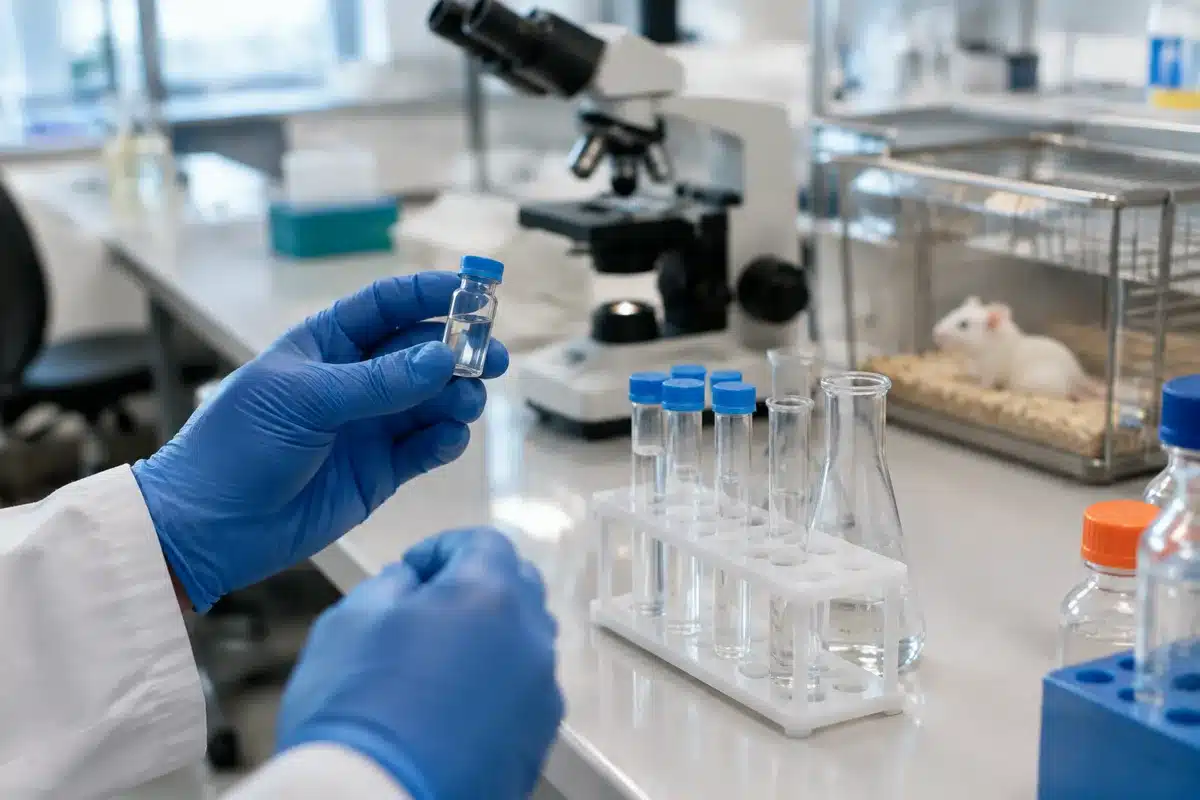
Scientists modified the FDA-approved anti-parasitic drug niclosamide so it would reach the specific cells that drive endometriosis-related inflammation. In laboratory mice, a single injected dose concentrated at lesion sites and produced measurable benefits compared with untreated animals.
Lucy Hale speaks out after TikTok backlash over Pretty Little Liars
Former YMU Global exec opens London agency representing creators, including Topjaw’s Jesse Burgess
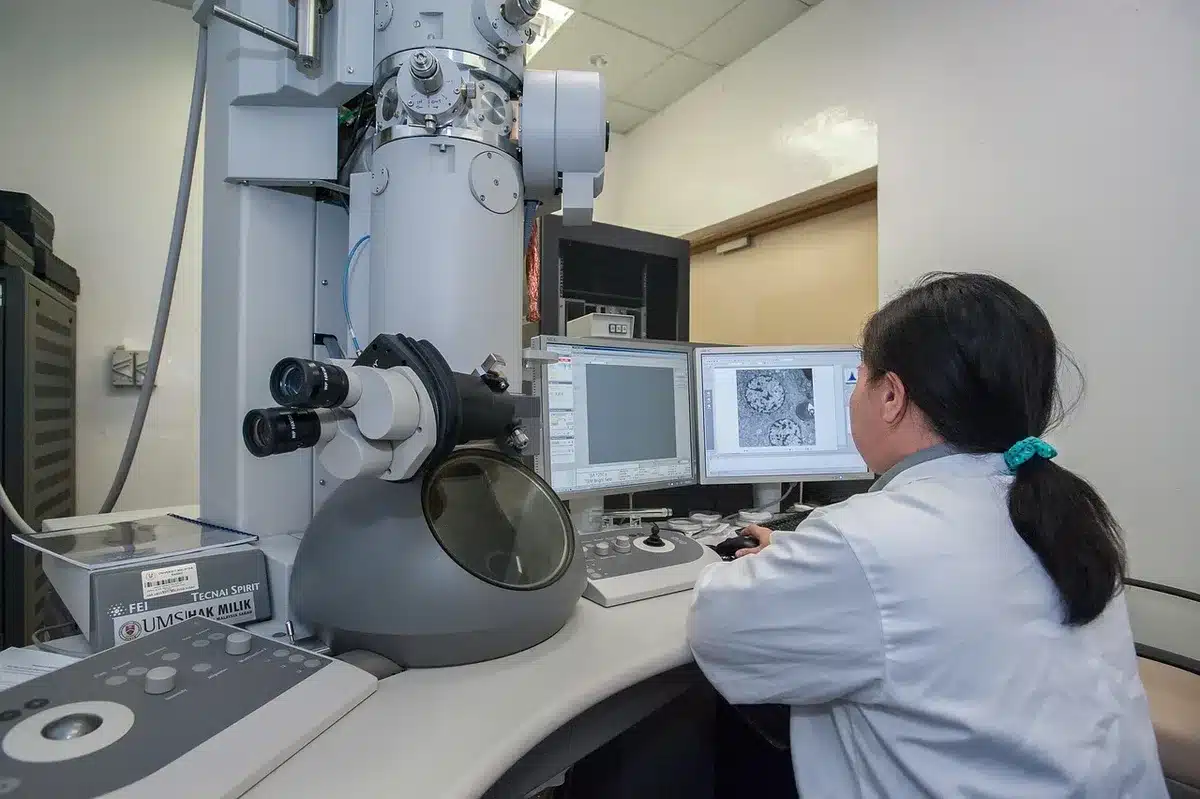
The work, reported in August in the journal Advanced Healthcare Materials, builds on earlier findings that a subset of immune cells near endometrial lesions express a distinctive chemical marker: the folate receptor. That receptor offered a way to guide therapy precisely to diseased tissue.
How the modification works
Researchers used so-called click chemistry to attach niclosamide to a large, tree-like carrier molecule known as a dendrimer. They then added a folate group to the complex so it would bind to cells with the complementary receptor.
“The drug is attached in such a way that when it is in systemic circulation, nothing happens until it goes inside the diseased cells,” said Anjali Sharma, a nanomedicine specialist at the University of Michigan. Once inside, the drug is released slowly over roughly two weeks, the team says.
Results in the mouse model
In the experimental animals, imaging showed the modified compound accumulated at affected endometrial tissue and not in organs such as the liver. Treated mice displayed a sharp drop in pain-related behaviors. In many cases the treatment also slowed — or halted — the development of new lesions.
Co-author Kanako Hayashi, of Washington State University, noted earlier work from the group demonstrating that niclosamide can inhibit endometriosis progression in mice. She and colleagues adapted the drug to overcome practical hurdles: poor water solubility, limited persistence in the body and lack of cellular targeting.
Limits and next steps
Experts emphasize that while the findings are encouraging, mouse models do not fully replicate human endometriosis. Mice do not menstruate naturally, and the disease’s biology in people is more complex.
Independent researcher Ioannis Simitsidellis of the University of Edinburgh said the approach—repurposing an existing drug and directing it at immune-cell dysfunction—has potential but requires further validation. He and the study team point to necessary next steps: replicate the results in larger preclinical samples and then, if safety data support it, move to a phase one trial in humans to test tolerability.
- Replicate findings in larger animal studies.
- Complete safety testing before human trials.
- Design phase one trials to assess tolerability in people with endometriosis.
The researchers say they have already received hundreds of inquiries from patients interested in future trials. They describe endometriosis as an understudied, underfunded condition and hope the targeted strategy will advance new treatment options.